This blog post explores the history of windmills, their mechanics, and the reasons behind their remarkable success in India today.
Blog Title: From Ancient Persia to Modern India: The Amazing Story of Windmills
Category: Renewable Energy, Green Technology
Tags: Wind Energy, Clean Power, India, Sustainability, Solar Power, Renewable Resources
What is a Windmill?
A windmill is a machine that captures wind energy. Traditional windmills use this power to grind grains into flour or pump water. Modern wind turbines (the tall, white ones we see today) use the same idea to generate electricity. It is one of the cleanest ways to create power.
The Ancient Origin: Where Did It All Begin?
The story of the windmill is an ancient one. While many people think of the famous Dutch windmills, the very first ones were built in Persia (modern-day Iran). Historical records show windmills existed there as early as the 9th century CE (1,200 years ago). These were called “panemone” windmills, with vertical wooden sails attached to a central shaft used primarily for grinding grain or pumping water.
Who Invented the Windmill?
No single person holds the patent for the first windmill, as they evolved over time. However, Abu Lu’lu’a Firuz, a Persian slave and millwright in the mid-7th century, is often credited in legendary accounts. He was known for designing and building early windmills.
Biography of a Modern Hero: William Kamkwamba
While the ancient inventor remains a mystery, we know the inspiring story of one modern inventor who changed his village.
· Name: William Kamkwamba
· Born: August 5, 1987 (Dowa, Malawi)
· The Spark: At just 14 years old, a severe drought and famine hit his village in Malawi. William was forced to drop out of school because his family couldn’t afford the fees.
· The Innovation: Despite not having formal education, William went to his local library. He found a book called “Using Energy” and looked at pictures of windmills. He then built a real windmill using spare parts, a broken bicycle, and a tractor fan he found in a scrapyard. This brilliant machine brought electricity and running water to his family for the first time. His story, The Boy Who Harnessed the Wind, became a best-selling book and a movie, showing that innovation can come from anyone, anywhere.
How Does Windmill Technology Function?
It is simpler than it looks. Here is how a modern wind turbine turns moving air into electricity:
· The Blades (Catch the Wind): The turbine has large blades shaped like airplane wings (aerodynamic). When the wind blows across them, they start to spin.
· The Rotor (Transfer the Power): The spinning blades turn a central hub called a rotor, which is connected to a main shaft inside the nacelle (the box at the top of the tower).
· The Generator (Make Electricity): Inside the nacelle, a gearbox and a generator convert the spinning motion into electrical energy.
· The Grid (Deliver the Power): Cables carry the electricity down the tower and into a power grid, which sends it to our homes and factories.
Is Windmill Technology Successful in India?
Absolutely! India is a global leader in wind energy, ranking 4th in the world for total installed wind capacity. The country added a record-breaking 6.1 GW of new wind energy in a single year (2025-2026), with a goal of reaching 100 GW by 2030. India’s total wind capacity has already crossed 56 GW, proving wind is a key part of the country’s electricity future. The top wind-producing states are Gujarat, Tamil Nadu, and Karnataka, which together hold most of India’s wind farms.
Cost Factor: Wind Energy vs. Solar Energy
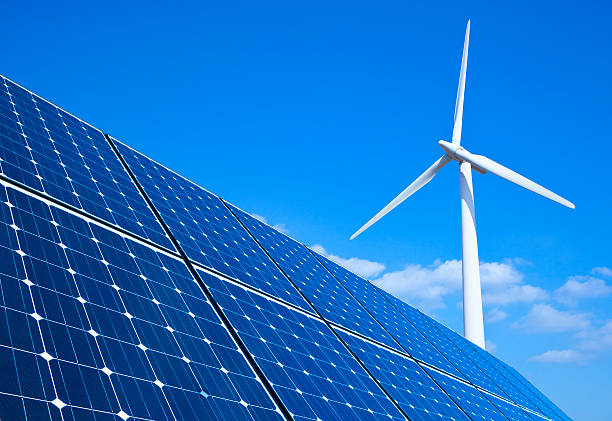
Wind and solar are the two most popular renewable energy sources. Their costs have dropped dramatically. Here is a simple comparison based on data from the International Renewable Energy Agency (IRENA):
Factor Wind Energy Solar Energy
Upfront Installation Cost Higher. A wind turbine costs roughly $1,066 per kW to install. Lower. A solar plant costs roughly $708 per kW to install. Solar costs have dropped more (87%) than wind costs (55%) since 2010.
Electricity Generation Cost (2025) As low as $59 per MWh (includes storage costs in some places). As low as $54 per MWh (includes storage costs).
Best For Large-scale power plants in open, windy areas (offshore or plains). Residential rooftops and large-scale farms in sunny regions.
While solar is cheaper to install for homes, wind is often the cheapest option for large-scale utility power generation.
Windmills Mostly Found in India and Other Countries
You can see wind farms in many parts of the world. While India is a top producer, here are the giants:
· China: The world leader in wind power. The Gansu Wind Farm, a massive project in the Gobi Desert, has a planned capacity of 20,000 MW spread over 7,000 turbines.
· United States: Second-largest producer.
· Netherlands: Famous for their traditional windmills, they now operate massive modern offshore farms generating 1.5 GW of power.
Conclusion
From ancient Persia to the rooftops of Gujarat, the windmill has traveled a long path. It is an ancient technology made new again, solving modern problems like climate change and providing clean, affordable electricity to billions of people.