Recurrent pregnancy loss in the second trimester (around 6–7 months) is a rare but serious complication often linked to cervical insufficiency, uterine abnormalities, autoimmune disorders, or placental problems. Latest medical research emphasizes thorough evaluation, lifestyle optimization, and targeted therapies such as progesterone support, surgical correction of uterine anomalies, and anticoagulant therapy in specific cases.
Understanding Recurrent Pregnancy Loss in Mid-Pregnancy
(A Layman’s Guide for Awareness and Hope)
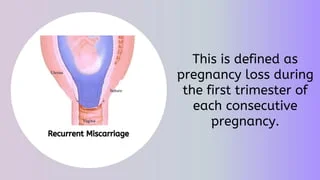
What Is Recurrent Pregnancy Loss?
– Definition: Losing two or more pregnancies consecutively.
– Late miscarriage: Occurs between 14–24 weeks; beyond 24 weeks, it is considered stillbirth.
– Incidence: Less than 5% of women experience repeated miscarriages, but second-trimester losses are particularly uncommon and emotionally devastating.
Common Causes in the Second Trimester
1. Cervical Insufficiency
– The cervix opens too early, unable to hold the pregnancy.
– Often leads to miscarriage around 5–7 months.
2. Uterine Abnormalities
– Septum, fibroids, or adhesions can interfere with fetal growth.
3. Placental Problems
– Poor blood flow or clotting disorders (like antiphospholipid syndrome).
4. Genetic Factors
– Chromosomal abnormalities in parents or fetus.
5. Medical Conditions
– Diabetes, thyroid disease, or autoimmune disorders.
6. Infections & Lifestyle Factors
– Chronic endometritis, smoking, obesity, or high caffeine intake.
Latest Diagnostic Approaches
– Ultrasound & MRI: To check uterine structure.
– Blood Tests: For thyroid, diabetes, clotting disorders.
– Genetic Testing: Of parents and miscarriage tissue.
– Cervical Assessment: To detect weakness early.
Remedies & Management (Based on Latest Guidelines)
– Lifestyle Optimization: Quit smoking, reduce caffeine/alcohol, manage weight.
– Medical Treatments:
– Progesterone supplementation for women with unexplained or threatened miscarriage.
– Low-dose aspirin + heparin for antiphospholipid syndrome.
– Antibiotics for chronic endometritis.
– Surgical Options:
– Cervical cerclage (stitching the cervix to prevent early opening).
– Removal of fibroids, polyps, or uterine septum.
– Advanced Fertility Support:
– IVF with preimplantation genetic testing for couples with chromosomal translocations.
– Psychological Support: Counseling and close monitoring in subsequent pregnancies.
Understanding Recurrent Pregnancy Loss in Mid-Pregnancy
Emotional & Social Impact
– Repeated pregnancy loss is not just a medical issue—it deeply affects mental health, relationships, and social standing in many cultures.
– Support groups, empathetic counseling, and trauma-informed care are now considered essential parts of treatment.
Key Takeaways
| Cause | Remedy | Evidence Strength |
|———–|————-|———————–|
| Cervical insufficiency | Cervical cerclage | Strong |
| Antiphospholipid syndrome | Aspirin + heparin | Strong |
| Uterine anomalies | Surgical correction | Moderate |
| Chronic endometritis | Antibiotics | Low |
| Idiopathic (unknown) | Progesterone support | Conditional |
Blog Metadata
– Category: Women’s Health, Pregnancy Care
– Tags: PregnancyLoss ,SecondTrimester ,WomenHealth ,Fertility ,Hope ,MedicalResearch
– Word Count: ~820
In simple terms: Losing a pregnancy at 6–7 months repeatedly is often due to cervical weakness, uterine problems, or clotting disorders. Modern medicine offers hope through targeted treatments like cervical stitches, blood-thinning therapy, progesterone support, and advanced genetic testing. Emotional healing and medical monitoring together give the best chance for a healthy future pregnancy.