
The Renal Revitalizer,Exploring Hygrophilia Spinosa, in Homeopathy
Category: Homeopathic Remedies
When it comes to managing chronic kidney conditions like nephrotic syndrome, the search for supportive, holistic options often leads individuals to explore homeopathic medicine. Among the many remedies in the homeopathic materia medica, one lesser-known but potentially significant botanical stands out for renal health: Hygrophilia Spinosa Mother Tincture.
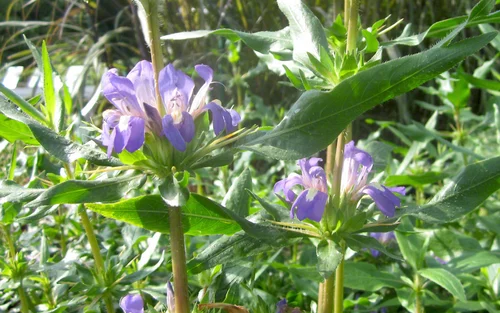
The Renal Revitalizer,Exploring Hygrophilia Spinosa, in Homeopathy
Origin and Botanical Background
Hygrophilia Spinosa, commonly known as Kokilaksha or Talmakhana in Ayurvedic tradition, is an herb native to the moist, tropical regions of India and Southeast Asia. The plant thrives in watery environments, a characteristic that homeopathic theory often symbolically links to its affinity for fluid-regulating organs. For centuries, it has been used in Ayurveda as a diuretic and tonic for urinary disorders.
In homeopathy, the preparation follows strict guidelines. The Mother Tincture is created by macerating the fresh, whole plant in a mixture of alcohol and water. This process extracts the plant’s vital therapeutic properties, creating the concentrated base from which further dilutions (potencies) are made. Homeopaths believe this method captures the “energetic imprint” of the plant, which is then used to stimulate the body’s self-healing mechanisms.
Composition and Homeopathic Principle
Unlike conventional medicine, homeopathy is not concerned with molecular or biochemical composition in the same way. The Mother Tincture contains an ultra-diluted essence of the original plant material. Homeopathic philosophy, based on the Law of Similars (“like cures like”), posits that a substance causing symptoms in a healthy person can cure similar symptoms in a sick person when prepared in this diluted, potentized form.
Hygrophilia Spinosa is considered a “tissue remedy” with a particular affinity for the renal parenchyma (the functional tissue of the kidneys) and the genitourinary tract. Its symptom picture in homeopathic texts suggests it acts on the kidneys to regulate fluid balance and protein metabolism.
Curative Properties and Role in Nephrotic Syndrome
Nephrotic Syndrome is a kidney disorder characterized by a constellation of symptoms: severe proteinuria (excess protein in urine), hypoalbuminemia (low blood protein), edema (swelling, especially in legs and ankles), and hyperlipidemia. It indicates damage to the glomeruli, the tiny filtering units of the kidneys.
This is where Hygrophilia Spinosa’s proposed homeopathic action comes into play:
1. Anti-Proteinuric Action: The core indication for this remedy is albuminuria—the presence of albumin protein in urine. Homeopathic literature and clinical experience suggest it may help reduce the pathological leakage of protein through the damaged glomeruli, a key therapeutic goal in managing nephrotic syndrome.
2. Diuretic and Anti-Edema Effect: The remedy is considered a gentle, non-depleting diuretic in homeopathic practice. It is thought to support the kidneys in removing excess fluid from tissues, thereby helping to alleviate the profound edema (anasarca) that plagues nephrotic patients, particularly around the eyes, legs, and abdomen.
3. Renal Tonic and Regenerative Potential: Homeopaths view Hygrophilia Spinosa as a “trophic” remedy for kidney tissue. It is believed to potentially support the structural integrity and function of the renal tubules and glomeruli, aiding in cellular repair and regeneration. This could be supportive in both acute flare-ups and chronic stages.
4. Addressing Concomitant Symptoms: The remedy’s sphere of action also covers general weakness, backache (particularly in the lumbar region over the kidneys), and burning sensations during urination—symptoms often experienced alongside nephrotic syndrome.
Important Considerations for Patients
It is crucial to understand the following:
· Complementary, Not Alternative: Homeopathic treatment, including Hygrophilia Spinosa MT, should never replace conventional nephrological care (steroids, immunosuppressants, ACE inhibitors, etc.) for nephrotic syndrome. It can be explored as a supportive, complementary therapy under the guidance of both a qualified nephrologist and an experienced homeopathic practitioner.
· Individualized Prescription: Homeopathy is highly individualized. A homeopath will not prescribe based solely on the disease name (“nephrotic syndrome”) but on the totality of the patient’s unique physical, emotional, and general symptoms. Another remedy like Apis Mellifica, Arsenicum Album, or Solidago might be chosen instead of or after Hygrophilia Spinosa.
· Potency and Dosage: The Mother Tincture is often used in low potencies (e.g., Q or 1X) for this condition. The exact potency, dosage, and frequency must be determined by a professional, as incorrect use may not yield benefits.
The Path Forward
Research on Hygrophilia Spinosa in homeopathy is largely anecdotal and based on traditional use. While preliminary phytochemical studies of the crude plant show flavonoids and alkaloids with possible diuretic and anti-inflammatory properties, robust clinical trials on the homeopathic preparation are lacking.
For those navigating the challenging journey of nephrotic syndrome, Hygrophilia Spinosa represents a fascinating piece of the holistic puzzle. It underscores homeopathy’s targeted approach to organ systems and offers a potential avenue for gentle, supportive intervention. Open communication between your healthcare providers is the keystone to integrating any complementary therapy safely and effectively into your overall management plan.
Tags: #Homeopathy #HygrophiliaSpinosa #NephroticSyndrome #KidneyHealth #NaturalRemedies #HolisticHealth #Proteinuria #Edema #RenalSupport #ComplementaryTherapy
Disclaimer: This blog is for informational purposes only and does not constitute medical advice. Nephrotic syndrome is a serious medical condition. Always consult with a qualified healthcare professional before starting any new treatment.

Nice
Good 👍
Very nice
Great 👍
Nice blog
Kipidap sir
Best wishes 🙏
Super 👍
Nice 🙂
Very good 💯
Best
Sundar
Good 👍
Very nice
Nice blog
Accha hai Blog
Nice