Category: Natural Remedies & Holistic Health
Tags: #JointPainRelief #NaturalAntiInflammatory #CabbageLeafRemedy #HerbalOils #Osteoarthritis #HomeRemedies #CartilageHealth
Introduction
For centuries, traditional medicine has turned to nature’s pharmacy to address inflammation and pain. Two particularly fascinating remedies—bruised cabbage leaf applications and specific warming oil blends—have demonstrated remarkable effects on painful knees and other joints. Modern science is now beginning to understand the sophisticated biochemistry behind these traditional practices.
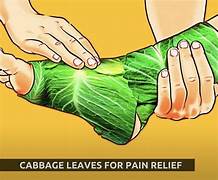
When cabbage leaves are bruised and applied to inflamed joints, they release a complex cocktail of bioactive compounds that work synergistically to reduce pain and swelling.
Key Chemical Ingredients & Their Actions:
1. Glucosinolates and Isothiocyanates
When cabbage cells are damaged (bruised), the enzyme myrosinase converts glucosinolates into potent anti-inflammatory isothiocyanates like sulforaphane. Research indicates these compounds inhibit the NF-κB pathway, a primary regulator of inflammatory responses [1].
2. Anthocyanins
Particularly abundant in red cabbage, these flavonoid pigments are powerful antioxidants that neutralize free radicals produced during inflammation, protecting joint tissues from oxidative damage.
3. Glutamine
This amino acid has demonstrated anti-inflammatory properties and may support tissue repair processes in stressed joints.
4. Polyphenols & Flavonoids
These compounds modulate inflammatory cytokines like TNF-α and IL-6, reducing the biochemical signals that cause pain and swelling [2].
5. Minerals (Calcium, Potassium, Magnesium)
cabbage leaf illustration
Delivered transdermally, these minerals may help counteract local mineral imbalances in inflamed tissues.
Mechanism of Action on Joints
When applied to a painful knee, the moist, cooled cabbage leaf creates a hydrating poultice. The bruising releases compounds that penetrate the skin, where they:
· Reduce prostaglandin production (pain-signaling molecules)
· Decrease capillary permeability, reducing edema
· Provide a cooling effect that soothes nerve endings
· Deliver antioxidants directly to inflamed tissues
The combined effect is a significant reduction in both inflammation and pain perception, often providing relief comparable to topical NSAIDs for some individuals.
The Warming Oil Blend: Camphor, Ajwain & Peppermint
A traditional blend combining camphor crystals, ajwain (carom seed) crystals, and peppermint crystals undergoes a fascinating transformation when mixed. Over time, these crystalline substances dissolve into one another, creating a potent liquid oil through a process of mutual dissolution.
Chemical Components & Their Therapeutic Roles:
Camphor (C₁₀H₁₆O):
· A terpenoid that stimulates nerve endings, producing a cooling sensation followed by mild analgesia
· Acts as a counter-irritant, distracting the nervous system from deeper joint pain
· Increases blood flow to the application area when warmed
Ajwain (Thymol crystals):
· Contains thymol (C₁₀H₁₄O), a potent monoterpenoid phenol with strong anti-inflammatory and antimicrobial properties
· Functions as a muscle relaxant and antispasmodic, reducing stiffness around joints
Peppermint (Menthol crystals):
· Menthol (C₁₀H₂₀O) activates TRPM8 receptors, creating a cooling sensation that overrides pain signals
· Has verified analgesic properties through kappa-opioid receptor activation [3]
Synergistic Chemical Reaction
When combined, these crystals form a eutectic mixture—their combined melting point is lower than their individual melting points, causing them to liquefy at room temperature. This blended oil penetrates the skin more effectively than any single component would alone.
Application and Warming Effect
The traditional method involves gently warming the oil before application. This warming:
1. Increases vasodilation, enhancing delivery of active compounds
2. Improves the oil’s penetration through the skin barrier
3. Provides soothing heat that relaxes muscles and increases joint mobility
Action on Cartilage and Joint Structures
This oil blend operates through multiple mechanisms:
1. Counter-Irritation: The topical stimulation (cooling/warming) creates competing neural signals that reduce pain perception in the joint (Gate Control Theory of pain).
2. Anti-Inflammatory Action: Thymol from ajwain inhibits cyclooxygenase (COX) enzymes, reducing inflammatory prostaglandins similar to conventional NSAIDs but through topical delivery.
3. Increased Microcirculation: Warming and camphor increase blood flow to the periarticular tissues, delivering more nutrients and oxygen while removing inflammatory metabolites.
4. Potential Chondroprotective Effects: Some research suggests menthol and thymol may inhibit cartilage-degrading enzymes like matrix metalloproteinases, though more studies are needed [4].
Safety Considerations & Best Practices
· Patch test any new topical application
· Avoid applying to broken skin or open wounds
· Do not use camphor-containing products on children or during pregnancy without medical consultation
· Consult with healthcare providers, especially if you have existing conditions or take medications
· These remedies complement rather than replace conventional treatments for chronic joint conditions
Conclusion
The humble cabbage leaf and traditional oil blends represent sophisticated delivery systems for complex phytochemicals. While not substitutes for medical treatment of serious joint conditions, they offer accessible, evidence-supported options for managing inflammation and pain. As research continues to validate traditional wisdom, we gain greater appreciation for nature’s intricate pharmacy and its potential to comfort aching joints.
References
[1] Dinkova-Kostova, A. T., & Kostov, R. V. (2012). Glucosinolates and isothiocyanates in health and disease. Trends in Molecular Medicine, 18(6), 337-347.
[2] Joseph, S. V., Edirisinghe, I., & Burton-Freeman, B. M. (2014). Berries: anti-inflammatory effects in humans. Journal of Agricultural and Food Chemistry, 62(18), 3886-3903.
[3] Galeotti, N., Di Cesare Mannelli, L., Mazzanti, G., Bartolini, A., & Ghelardini, C. (2002). Menthol: a natural analgesic compound. Neuroscience Letters, 322(3), 145-148.
[4] Miguel, M. G. (2010). Antioxidant and anti-inflammatory activities of essential oils: a short review. Molecules, 15(12), 9252-9287.
Note: This blog post is for informational purposes only and does not constitute medical advice. Always consult with a healthcare professional before beginning any new treatment approach.