
Electronic Waves & Your Brain: Neurons, Health Disorders & The 5G Environment
Slug:electronic-waves-brain-neurons-5g-health-environment
Focus Keyphrase:EMF effects on brain

learn more about 5 G demerits
Meta Description:Explore how electronic waves interact with neurons, potential health disorders, and the debated environmental impact of 5G/6G. A simple guide to EMF, brain function, and ecological concerns.
Keywords:electronic waves, EMF, brain neurons, microwave effect, electromagnetic hypersensitivity, 5G health, 6G, environmental impact, bird population, neuro disorders, simple science
internal link learn more similar articles
Electronic Waves & Us: A Simple Guide to Your Brain, Your Health, and Our Environment
We live in a sea of invisible electronic waves. From our Wi-Fi routers and smartphones to power lines and radio towers, electromagnetic fields (EMF) are a constant part of modern life. But how do these man-made waves actually interact with the delicate biological machinery inside us, particularly our brains? And as we rush into the era of 5G and beyond, what are the potential costs to our health and our planet? Let’s break it down in simple terms.
The Conversation with Your Neurons
Your brain is a network of about 86 billion neurons. These cells communicate using their own tiny, natural electrical and chemical signals. They are finely tuned to function with the Earth’s natural, weak electromagnetic field.
Man-made electronic waves—like those from cell phones (radiofrequency radiation or RFR)—are a different type of energy. They are non-ionizing, meaning they don’t have enough energy to break apart DNA like X-rays can. However, they can interact with our bodies, primarily as heat. This is the basic principle behind your microwave oven.
When you hold a phone to your head, some of this energy is absorbed by your tissues. The primary, proven biological effect is thermal—slight heating. Your brain can handle minor heat, but safety standards are designed to limit this exposure to prevent significant temperature rise.
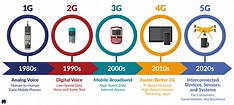
Learn more from this blog · Influence the electrical activity of brain cells.
Beyond just heating, some laboratory studies suggest low-level EMF might cause more subtle effects on neurons. The waves could potentially:
· Influence the electrical activity of brain cells.
· Affect the flow of calcium ions, which are crucial for neuron signaling.
· Increase the production of stress proteins within cells.
The key scientific debate is whether these subtle, non-thermal effects are significant enough to cause real-world health problems in humans.
Potential Disorders and Health Concerns
The link between everyday EMF exposure and serious health disorders remains controversial and not conclusively proven. However, researchers are studying possible connections to several conditions:
1. Electromagnetic Hypersensitivity (EHS): Some individuals report debilitating symptoms like headaches, fatigue, tinnitus, and brain fog around EMF sources. While the suffering is real, most scientific reviews suggest symptoms may be linked to pre-existing anxiety about the technology or other environmental factors, rather than a direct physiological effect of EMF itself.
2. Sleep and Cognitive Disturbances: Some studies indicate that heavy phone use, especially before bed, can disrupt sleep patterns and potentially affect memory and attention. This may be partly due to the blue light from screens affecting melatonin, but the role of the wave emission is also being studied.
3. Long-Term Cancer Risk: This is the most heated debate. A major study by the International Agency for Research on Cancer (IARC) classified RFR as a Group 2B “possible carcinogen.” This means there is limited evidence of a link (specifically to a rare brain tumor called glioma) and more research is needed. It is not classified as a “probable” or “known” carcinogen.
The 5G/6G Environmental Question: Where Did the Birds Go?
The rollout of 5G, and the future prospect of 6G, intensifies the debate. These networks use higher-frequency waves (millimeter waves) that don’t travel as far, requiring many more “small cell” antennas—potentially one on every streetlight.
The environmental concern is twofold:
1. Energy Consumption: The vast network of antennas and data centers for 5G/6G could significantly increase global electricity use, contributing to a larger carbon footprint if not powered by renewables.
2. Wildlife Impact: Here’s where the birds come in. There are documented cases where the installation of powerful cell towers has coincided with local bird population declines or behavioral changes. Birds (and insects like bees) are believed to use the Earth’s natural magnetic field for navigation. Some scientists theorize that the sheer density of artificial EMF could act as an “electromagnetic smog,” interfering with their internal compasses, disorienting them, and affecting their reproduction and migration.
It’s crucial to note that saying “5G is killing all birds” is a vast oversimplification. The primary drivers of bird population decline are habitat loss, pesticides, and climate change. However, EMF pollution is increasingly considered a potential additional environmental stressor that could be pushing vulnerable species over the edge, and more independent research is urgently needed.
The Bottom Line
We are conducting a massive, global experiment with our electromagnetic environment. While there is no need for panic, there is a strong case for prudent avoidance and continued, transparent research. Simple steps like using a speakerphone, keeping devices away from your body at night, and advocating for more environmentally conscious network planning are reasonable.
Understanding the interaction between our waves and our world—from the neurons in our heads to the birds in our skies—is not about fear. It’s about fostering a technology that truly co-exists sustainably with nature and human health.
Disclaimer: This blog post is for informational purposes based on current public research and debates. It is not medical advice. Always consult health professionals for personal health concerns.

Nice 👍
Good 👍
Very good
Ati sundar
Nice 👍👍👍👍👍
Great
Very nice
Super super super
Nice 👍👍👍👍👍👍👍