The Unseen Scars: Beyond the Cut – Examining C-Section Trends and Long-Term Health in Rural India
Meta Description: A ground-level survey observes a high rate of respiratory issues in children born via C-section and chronic health problems in mothers. We examine the complex reasons behind rising cesarean rates in India, separating facts from fears. Keywords: C-section side effects India, unnecessary cesarean surgery, rural health India, maternal health post C-section, respiratory problems in C-section babies, gynaecologist ethics.
Tags: #UnnecessaryCSection #MaternalHealth #RuralIndiaHealth #CesareanRisks #MedicalEthics #ChildHealth #PublicHealthAlert #NormalDelivery #CSectionRecovery
Disclaimer Note
The following blog is based on specific observational surveys and anecdotal accounts from rural India. It aims to spark discussion and raise awareness about maternal and child health trends. It is not a substitute for professional medical advice. Cesarean sections are a life-saving surgical intervention when medically indicated. The observations shared here should be viewed as a call for further scientific research and ethical scrutiny, not as definitive medical conclusions. Always consult with certified healthcare providers for personal medical decisions.
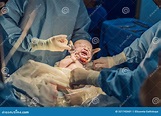
image shows cesearian surgery -has become a fashion in modern india
A Village Survey’s Disturbing Pattern: Respiratory Illness and Surgical Birth
During a recent visit to approximately 30 villages, a concerning pattern emerged from surveys of around 125 children aged 10-15. A staggering 55% (about 68 children) were found to be suffering from various respiratory problems. A deeper look into their birth records revealed a startling commonality: they were all delivered via cesarean surgery.
This observation, while not constituting conclusive scientific proof, raises a critical question that demands exploration. Is this a tragic coincidence, or does it point to the long-term health implications of how we enter the world? Studies suggest that babies born via C-section miss out on exposure to beneficial bacteria in the birth canal, which can influence the development of their immune system and potentially increase susceptibility to allergies and asthma. The village survey seems to echo a global health concern worthy of urgent, large-scale study.
The Mother’s Ordeal: When the “Quick Fix” Leads to a Lifetime of Discomfort
The narrative of suffering often extends to the mothers. The blog author describes a recurring, heartbreaking scenario: young women, often of average build (around 50-60 kg, 5’4″), opt for or are advised a cesarean, sometimes seen as a modern, pain-avoidant choice. However, the aftermath tells a different story.
Post-surgery, many women report their weight shooting up to 70-80 kg, a change stubbornly resistant to diet or exercise. This is compounded by a cascade of chronic issues: persistent back pain, digestive disorders, leucorrhoea, urinary tract infections, reduced libido, and pain during intercourse. The description is poignant: “the life became living but dead inside.” This paints a picture not of a one-time surgery, but of a procedure that can trigger a long-term health crisis, affecting physical and mental well-being profoundly.
Fear, Finance, or Fashion? The Multifaceted Crisis of Rising C-Section Rates
This leads to the core, uncomfortable question: Is cesarean surgery becoming a tool for exploitation, or is it a complex medical-social issue?
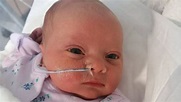
the child has respiratory problem -born by c-section
To blame individual gynaecologists entirely would be an oversimplification, yet the fear cannot be dismissed. In a setting of semi-literacy, the power dynamic between a doctor and an anxious family is immense. The prospect of a pain-free, scheduled delivery can be marketed, and the inherent risks of a prolonged labour can be amplified to create a “fear psychosis.” When combined with the lucrative financial model of surgical deliveries in a weak regulatory environment, it creates a perfect storm for unethical practices.
Furthermore, a societal “fashion” has emerged—viewing C-sections as a more convenient, less painful, and even more modern choice. This, coupled with a diminishing tolerance for the uncertainties of natural labour, pushes the rates higher. The system often fails to provide adequate counselling on the long-term health risks for both mother and child, focusing instead on the immediate event.
A Nation’s Health at a Crossroads: From Individual Suffering to Collective Weakness
The implications are national. The author draws a sharp, controversial line to the COVID-19 pandemic, suggesting that a generation with potentially weaker respiratory systems (as observed) may have been more vulnerable. While directly attributing a “crore” of deaths to this is an unproven leap, it underscores a vital point: public health is built on the foundation of individual health. If a significant portion of our population starts life with compromised immune foundations and mothers are debilitated by chronic post-surgical conditions, it represents a silent, slow-burning health crisis.
ICMR guidelines on standard health learn more
The Way Forward: Reclaiming Birth with Knowledge and Ethics
This is not a call to ban cesareans. They are indispensable in complicated births. This is a call for awareness, accountability, and action.
1. Empowerment Through Education: Massive awareness campaigns are needed in rural and urban areas about the benefits of normal delivery and the real, long-term risks of unnecessary C-sections. Birth preparedness plans should be encouraged.
2. Strengthening Regulation: Medical boards and health departments must audit C-section rates hospital-by-hospital, doctor-by-doctor. Transparent justification for surgical intervention must be the norm.
3. Supporting Natural Birth: Investing in labour wards, skilled midwives, doulas, and pain management techniques like epidurals can make vaginal birth a safer and less fearful experience.
4. Holistic Post-Partum Care: The focus must shift beyond the six-week check-up. Long-term follow-up for C-section mothers, addressing weight management, pelvic floor health, and mental well-being, is crucial.
The “modern medical drama” need not be a tragedy. It can be rewritten with ethics as the director and informed choice as the protagonist. The health of our mothers and children is the health of our nation’s future. It’s time to cut through the fear and focus on the facts.