
Lymphatic System: Definition, Functions, and How It Differs from the Peripheral Nervous System
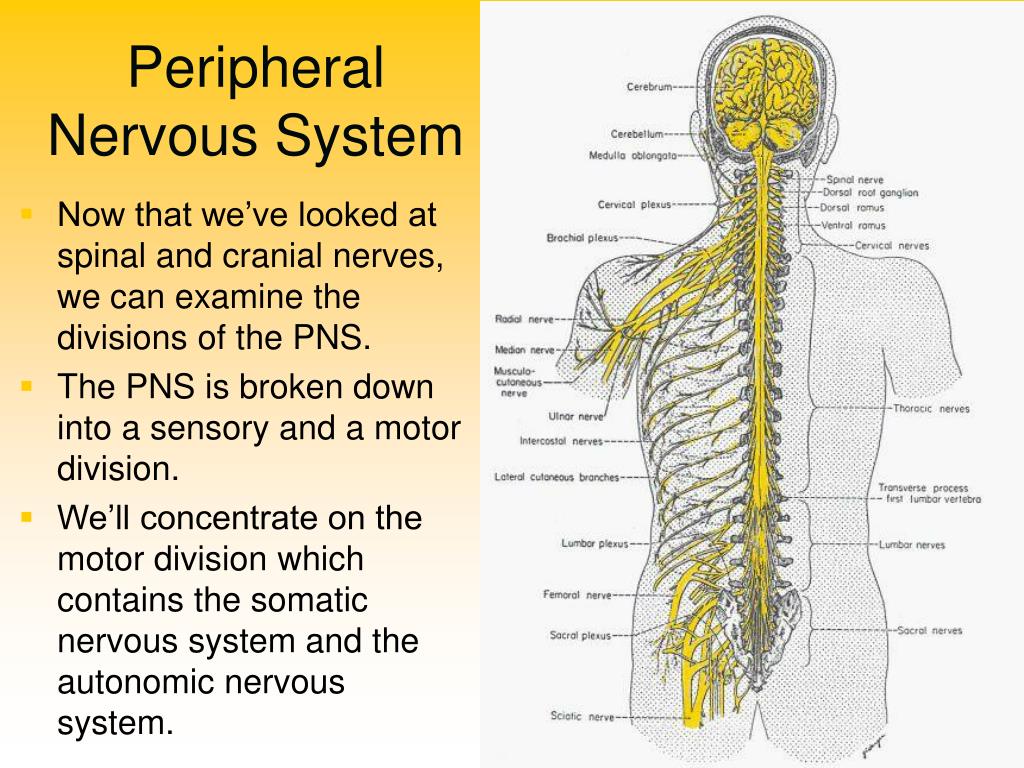
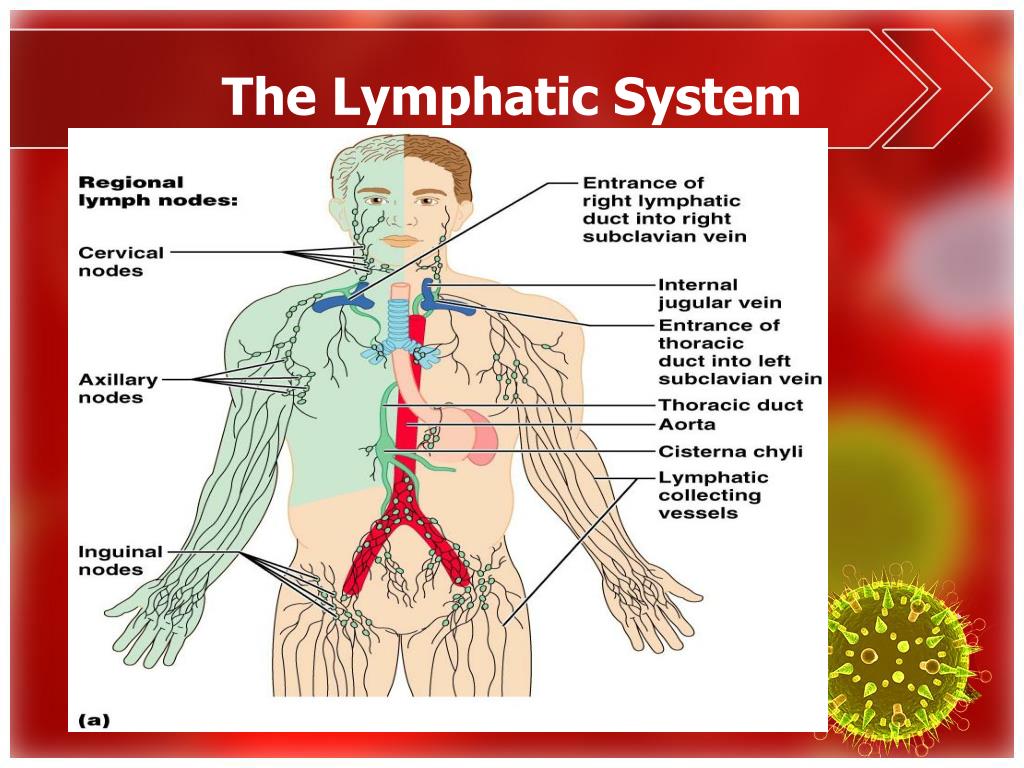
Alt Test Peripherial nervous system and Lymphatic system displayed seperately
Meta Description
The lymphatic system is a vital part of the human body that supports immunity, fluid balance, and waste removal. Learn what the lymphatic system is, how it works, and how it differs from the peripheral nervous system in simple English.
Keywords
Lymphatic system, peripheral nervous system, difference between lymphatic and nervous system, lymph nodes, immune system, nerves, human body systems, lymphatic vessels, PNS, anatomy and physiology
Introduction
The human body is made up of several complex systems that work together to keep us healthy and alive. Two important systems are the lymphatic system and the peripheral nervous system (PNS). Although both spread throughout the body, their structure, function, and purpose are completely different.
This article explains what the lymphatic system is, its functions and components, and how it differs from the peripheral nervous system, in clear and simple language.
What Is the Lymphatic System?
The lymphatic system is a part of the immune and circulatory systems. It helps the body fight infections, remove waste materials, and maintain fluid balance.
Unlike the blood circulatory system, the lymphatic system does not have a central pump like the heart. Instead, it depends on body movements, muscle contractions, and breathing to move fluid called lymph.
What Is Lymph?
Lymph is a clear or pale-yellow fluid that contains:
- White blood cells (especially lymphocytes)
- Proteins
- Waste materials
- Bacteria and viruses (if present)
Lymph is collected from tissues and returned to the bloodstream after filtration.
Main Components of the Lymphatic System
1. Lymphatic Vessels
These are thin tubes that carry lymph throughout the body, similar to blood vessels.
2. Lymph Nodes
Small, bean-shaped structures that filter lymph and trap harmful organisms.
Common locations:
- Neck
- Armpits
- Groin
Swollen lymph nodes often indicate infection.
3. Lymphoid Organs
These include:
- Spleen – filters blood and removes old red blood cells
- Thymus – helps in the development of immune cells (T-lymphocytes)
- Tonsils – protect against germs entering through the mouth and nose
- Bone marrow – produces blood cells
Functions of the Lymphatic System
1. Immunity and Defense
The lymphatic system protects the body by:
- Producing immune cells
- Detecting and destroying pathogens
- Supporting antibody production
2. Fluid Balance
It prevents fluid buildup (edema) by returning excess tissue fluid back to the bloodstream.
3. Removal of Waste and Toxins
It removes cellular waste, dead cells, and harmful substances from tissues.
4. Absorption of Fats
Special lymphatic vessels in the intestines absorb fats and fat-soluble vitamins (A, D, E, K).
What Is the Peripheral Nervous System (PNS)?
The peripheral nervous system is part of the nervous system. It includes all nerves outside the brain and spinal cord.
The PNS acts as a communication network, carrying signals between:
- The brain and spinal cord
- Muscles
- Organs
- Sensory receptors
Components of the Peripheral Nervous System
1. Cranial Nerves
Arise from the brain and control:
- Vision
- Hearing
- Smell
- Facial movements
2. Spinal Nerves
Emerge from the spinal cord and control:
- Body movements
- Sensations like pain, touch, and temperature
3. Divisions of PNS
- Somatic nervous system – voluntary actions (walking, writing)
- Autonomic nervous system – involuntary actions (heart rate, digestion)
- Sympathetic
- Parasympathetic
WHO guidelines on lymphatic disorders
Functions of the Peripheral Nervous System
- Transmits sensory information to the brain
- Sends motor commands to muscles
- Controls reflexes
- Regulates involuntary functions like breathing and heartbeat
Key Differences Between Lymphatic System and Peripheral Nervous System
| Feature | Lymphatic System | Peripheral Nervous System |
| Main Function | Immunity and fluid balance | Communication and control |
| System Type | Immune & circulatory | Nervous |
| Fluid | Lymph | Nerve impulses |
| Speed | Slow | Very fast |
| Pump | No central pump | Electrical signal transmission |
| Cells Involved | Lymphocytes | Neurons |
| Disease Role | Infections, cancer spread | Paralysis, neuropathy |
How They Are Similar
Although different, both systems:
- Spread throughout the body
- Help maintain internal balance (homeostasis)
- Interact with other body systems
- Are essential for survival
Common Disorders

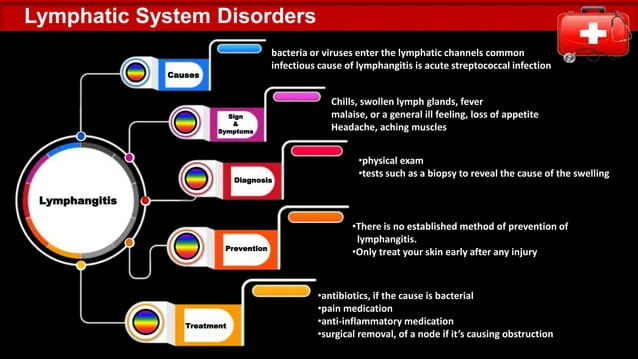
Alt Text : learn more from the displayed book and common disorders of lymphatic system
Lymphatic System Disorders
- Lymphedema
- Lymphadenitis
- Lymphoma
- Filariasis
ICMR guidelines on standard management of lymphstic disorders
Peripheral Nervous System Disorders
- Peripheral neuropathy
- Sciatica
- Bell’s palsy
- Carpal tunnel syndrome
Importance of a Healthy Lymphatic and Nervous System
Maintaining health includes:
- Regular physical activity
- Adequate hydration
- Balanced nutrition
- Stress management
- Proper sleep
Exercise is especially important because it helps move lymph through the body.
Conclusion
The lymphatic system and the peripheral nervous system are two vital yet very different systems of the human body. The lymphatic system protects us from disease and maintains fluid balance, while the peripheral nervous system allows communication between the brain and the rest of the body.
Understanding these systems helps us appreciate how the body works as a whole and why maintaining a healthy lifestyle is essential for overall well-being.
Disclaimer
This article is for educational and informational purposes only. It should not be considered medical advice. For diagnosis or treatment of any medical condition, please consult a qualified healthcare professional.
Internal lins for similar articles on health related reading visit https://cordcraft.in

Very informative blog
Good article
Good article
Good article