
The Mighty Banana Plant: A Tropical Giant of Food, Fiber, and Faith
Meta Description: Discover the amazing world of the banana plant! Learn about its Southeast Asian origins, its surprising structure as a giant herb, the many uses of its leaves, flowers, and fruit for digestion, and its deep sacred significance in Hindu weddings and traditions.
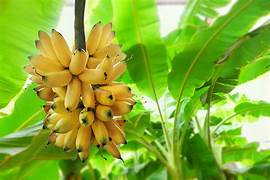
Alt textThe Mighty Banana Plant: A Tropical Giant of Food, Fiber, and Faith
Keywords: banana plant, banana tree, Musa, tropical fruit, Hindu tradition, digestive benefits, banana flower, pseudostem, Kadali Vivaha, Southeast Asia origin, fiber, potassium, giant herb.
More Than Just a Fruit: Unveiling the Enigma of the Banana Plant
The banana is one of the world’s most popular and vital food crops, gracing tables from bustling metropolises to remote tropical villages. Often mistaken for a tree, this towering tropical marvel is actually the world’s largest herbaceous flowering plant. This giant herb, with its lush, paddle-shaped leaves and generous bunches of fruit, holds a history that is as rich and complex as its nutritional profile, extending far beyond the breakfast bowl and into the realm of spiritual tradition.
From Jungle Origins to Global Staple: The Aetiology of Banana
: Where the Banana Story Began
The narrative of the banana plant, scientifically classified under the genus Musa (family Musaceae), begins in the dense, humid jungles of Southeast Asia. Horticulturists and archaeologists believe that bananas were first domesticated in this region, particularly in areas encompassing modern-day Malaysia, Indonesia, the Philippines, and Papua New Guinea, with evidence of cultivation dating back as far as 10,000 years ago in New Guinea.
The wild ancestors, primarily Musa acuminata and Musa balbisiana, possessed large, hard seeds. Over millennia, through natural selection and human cultivation, the seedless, edible varieties we know and love today—which reproduce without pollination (a process called parthenocarpy)—emerged as complex hybrids and triploid cultivars. From its Asian cradle, the banana was spread by ancient seaborne migrations and trade routes, eventually reaching Africa, the Americas, and the rest of the tropical world, establishing itself as an irreplaceable global food source.
Not a Tree, But a Giant Herb: Understanding its Parts
The banana plant’s sheer size leads to its common misnomer as a “tree,” but its unique structure confirms its status as a massive herb.
The Anatomy of a Tropical Titan
* The Pseudostem (Fake Trunk): What appears to be the trunk is not woody at all, but a tightly packed, overlapping structure formed by the rolling bases of the leaves, known as leaf sheaths. This pseudostem is succulent and capable of supporting the entire plant and its heavy fruit bunch. The true stem, or rhizome, remains underground.
* The Leaves: Large, broad, and spirally arranged, the leaves are perhaps the most visually distinct part. Beyond photosynthesis, they are traditionally used in many cultures as natural, biodegradable plates for serving food, as wraps for steaming and baking, and even as temporary umbrellas!
* The Flower (Banana Heart): The deep reddish-purple bloom at the end of the stalk is the inflorescence, commonly called the banana heart or banana blossom. It contains the female flowers (which develop into fruit), the hermaphrodite flowers, and the male flowers. The edible banana flower is used as a vegetable in many Southeast Asian and Indian cuisines.
* The Fruit (The Banana): Botanically, the banana fruit is considered a berry (specifically, a parthenocarpic berry since it lacks seeds). It grows in clusters called “hands,” which together form a “bunch.”
* The Rhizome and Suckers: The underground stem, the rhizome, is the perennial part of the plant. New shoots, called suckers, emerge from the rhizome, ensuring the plant’s continuity—a process known as vazhai adi vazhai (generations upon generations) in some Indian traditions.
Curative and Culinary: Banana’s Role in Digestion
The Digestive Powerhouse
The banana is renowned worldwide for its high nutritional value, particularly its significant contribution to digestive health.
| Part | Key Component | Digestive Benefit |
|—|—|—|
| Ripe Fruit | Dietary Fiber & Prebiotics | Regulates bowel movements (aids in both constipation and diarrhea); the soluble fiber feeds beneficial gut bacteria. |
| Green Banana | Resistant Starch | Acts like soluble fiber, bypassing digestion in the small intestine to reach the colon, improving gut health and controlling blood sugar. |
| Banana Stem | High Fiber Content | The inner core is juiced or cooked, acting as a powerful diuretic and bulk-forming agent to relieve constipation and may help flush kidney stones. |
| Banana Flower | Fiber & Iron | Cooked as a vegetable, it’s also high in fiber, contributing to smooth digestion. |
The ripe, easy-to-digest fruit is often a go-to remedy for various stomach ailments, providing essential electrolytes, like potassium, which is crucial for replenishing nutrients lost during digestive distress.
An Auspicious Presence: Banana in Hindu Tradition
Symbol of Prosperity at the Marriage Entrance
In Hindu culture, the banana plant, known as Kadali in Sanskrit, holds a profound sacred significance, often associated with the deities Lord Vishnu and Goddess Lakshmi, who symbolize preservation, wealth, and prosperity. This reverence is why the banana plant is prominently featured at the entrance of marriage venues and homes during auspicious ceremonies.
Placing a pair of whole, healthy banana plants at the entrance of the marriage pandal (canopy) or house is a tradition loaded with symbolism:
* Evergreen Prosperity: The plant’s deep green leaves symbolize an evergreen, enduring, and flourishing married life, promising continuous growth and health for the new couple.
* Fertility and Posterity: Its ability to produce abundant fruit and reproduce rapidly through suckers (vazhai adi vazhai) represents the blessing of fertility and the desire for the family line to continue for generations.
* Hospitable Abundance: The plant embodies hospitality and abundance, suggesting the couple’s home will always have enough to feed and welcome guests, much like the generous leaves used to serve food.
* Mitigating Negative Influences: In some traditions, a symbolic marriage to a banana plant (Kadali Vivaha) is performed to neutralize astrological afflictions like Mangal Dosha before the actual human marriage, protecting the spouse from misfortune.
The banana plant, therefore, stands as a silent, sacred witness to the union, inviting an overflowing stream of good fortune, stability, and enduring love into the new household. It’s a beautiful testament to how nature and faith are intertwined in cultural practices.
Conclusion: The Unsung Hero of the Tropics
From its humble, seedy beginnings in the heart of Southeast Asia to its current status as a global food commodity, textile fiber source, and a pillar of spiritual tradition, the banana plant is truly an unsung hero. It teaches us that true strength and utility aren’t always found in hard wood, but can emerge from the soft, water-filled sheaths of a giant herb—a generous, versatile, and sacred gift to humanity.

Well researched article