The Continent of Africa: A Mosaic of Cultures, Flavors, and Dynamic Growth
Often referred to as the “cradle of humankind,” Africa is not a monolith but a vibrant tapestry woven from 54 diverse countries, over a billion people, and a richness that defies simple definition. It is a continent of staggering contrasts, where ancient traditions meet bustling modern cities, and where some of the world’s fastest-growing economies are found alongside profound challenges. To understand Africa is to embrace its incredible plurality.
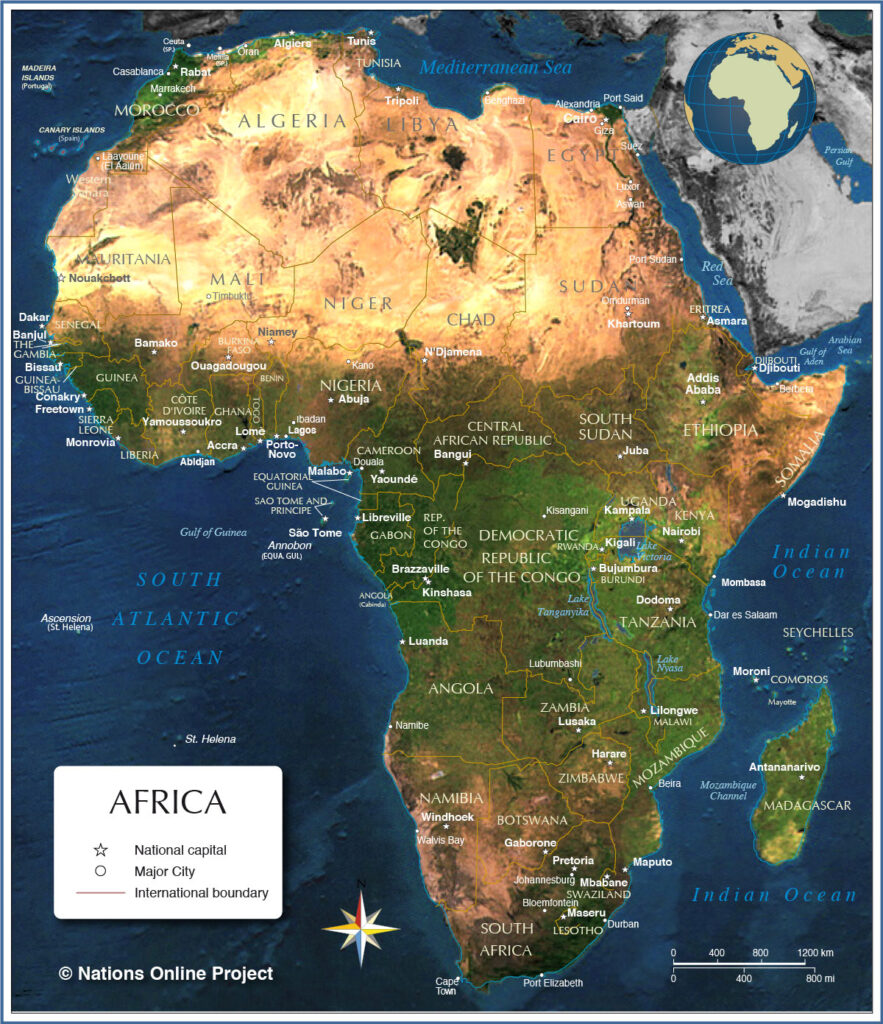
A Continent of Unparalleled Cultural Diversity
African culture is the lifeblood of the continent, expressed through music, art, dance, clothing, and deep-seated communal values. It is impossible to summarize, but key threads include:
· Community and Ubuntu: A prevailing philosophy across many societies is “Ubuntu” (from the Zulu/Xhosa people) – the idea that “I am because we are.” This emphasizes community, compassion, and shared humanity over individualism.
· Oral Traditions and Storytelling: Griots (West African historians/storytellers), elders, and intricate folklore have preserved history, ethics, and knowledge for generations. This tradition lives on in modern literature, music, and film.
· Vibrant Artistic Expression: From the intricate sculptures of Nigeria and Benin, to the beautiful beadwork of the Maasai in Kenya/Tanzania, to the contemporary art scenes in Lagos and Cape Town, artistic creativity is boundless.
· Dynamic Music and Dance: Music is inseparable from daily life. It’s the rhythmic beats of West African drums, the soulful melodies of Congolese rumba and Soukous, the global influence of Afrobeats, and the spiritual traditions of Gnawa music in Morocco.
A Culinary Journey for the Senses
African food is hearty, flavorful, and deeply connected to the land. Staples are often based on locally available grains, tubers, and vegetables, with spices and cooking methods varying dramatically by region.
· West Africa: Known for its bold, spicy, and savory dishes. Jollof rice (a one-pot tomato and rice dish) is a famous regional favorite. Other staples include fufu (pounded cassava/yam) eaten with soups like egusi (melon seed) or groundnut soup, and suya (spicy grilled skewered meat).
· North Africa: Influenced by Mediterranean, Arab, and Berber traditions. Dishes like couscous, tagine (slow-cooked stew), falafel, and harira soup are common, flavored with spices like cumin, coriander, and cinnamon.
· East Africa: Features stews, grilled meats, and flatbreads. Ugali (a stiff maize porridge) in Kenya/Tanzania, injera (a sour fermented flatbread) with wat (stew) in Ethiopia/Eritrea, and nyama choma (grilled meat) are iconic.
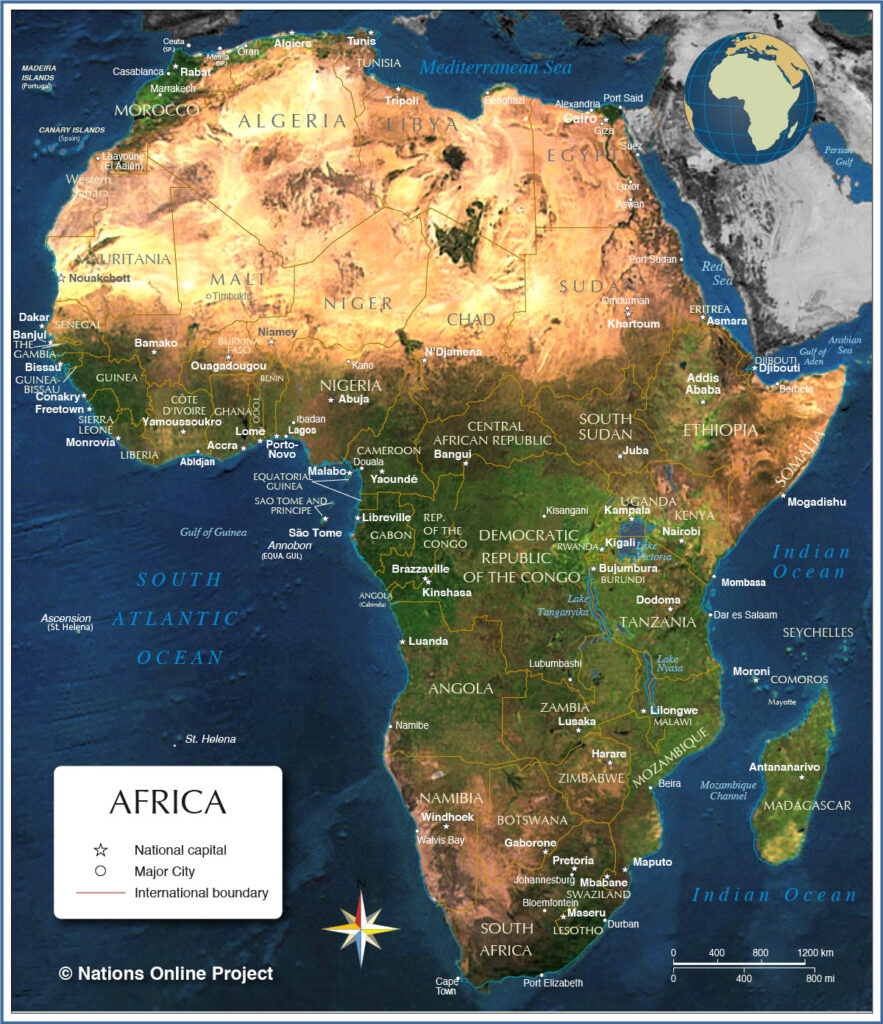
alt text; 54 countries, rich cultures, flavorful foods, growing economies, and over 1500 languages.
· Southern Africa: A blend of indigenous and colonial influences. Braai (barbecue) is a social institution. Dishes include bobotie (spiced minced meat bake) from South Africa, and sadza (maize porridge) with relish in Zimbabwe.
Economic Status: A Landscape of Contrast and Potential
Africa’s economic picture is complex and evolving rapidly.
· Growth and Innovation: Several African nations are among the world’s fastest-growing economies. Sectors like technology (Fintech in Kenya, Nigeria, and South Africa is pioneering), telecommunications, and renewable energy are booming. The African Continental Free Trade Area (AfCFTA) aims to create a single market, boosting intra-African trade and investment.
· Resource Wealth: The continent is extraordinarily rich in natural resources—oil, gas, minerals (cobalt, gold, diamonds), and vast agricultural potential.
· Challenges: Many countries face significant hurdles, including infrastructure gaps, political instability in some regions, youth unemployment, and climate change impacts. Economic inequality remains a pressing issue.
· Diverse Economies: Economies range from oil-dependent nations (Nigeria, Angola), to tourism powerhouses (Egypt, Morocco, Kenya, South Africa), to agricultural exporters (Côte d’Ivoire, Ethiopia), and emerging manufacturing hubs.
A Tower of Babel: The Languages of Africa
Africa’s linguistic diversity is unmatched, reflecting its deep human history.
· Number of Languages: It is estimated that 1,500 to 2,000 languages are spoken across the continent. Nigeria alone has over 500 languages.
· Major Language Families:
· Niger-Congo: The largest family, covering much of Sub-Saharan Africa. It includes languages like Swahili (a Bantu language with heavy Arabic influence, a lingua franca in East/Central Africa), Yoruba, Igbo, Shona, and Zulu.
· Afroasiatic: Includes Arabic (dominant in North Africa), Amharic (Ethiopia), Hausa (West Africa), and Somali.
· Nilo-Saharan: Spoken across parts of East and Central Africa (e.g., Dinka, Maasai).
· Khoisan: Known for its distinctive click consonants, spoken by the San and Khoi peoples in Southern Africa.
· Colonial Languages: English, French, Portuguese, and Arabic serve as official languages in many countries, used in government, education, and business, often bridging multiple ethnic groups.
Conclusion: The Definitive Continent of the Future
Africa is a continent on the move. It has the world’s youngest population—a dynamic, connected, and ambitious youth driving change. While it grapples with its challenges, its spirit of resilience, innovation, and deep cultural wealth is undeniable. From the ancient pyramids of Egypt to the tech hubs of Lagos, from the rhythms of the djembe to the beats of Afrobeats, Africa is not just a place of history; it is a continent actively shaping its own—and the world’s—future. To engage with Africa is to engage with a story that is still being written, in a thousand different voices, across an entire continent.
Meta Description
Explore the diverse continent of Africa: 54 countries, rich cultures, flavorful foods, growing economies, and over 1500 languages. Discover facts about African traditions, Jollof rice, Afrobeats, and economic potential.
Keywords
Africa countries, African culture, African food, African economy, languages in Africa, Jollof rice, Afrobeats, Ubuntu, Swahili, African Continental Free Trade Area, AfCFTA, African traditions, fastest growing economies, African languages list, visit Africa.