
Why Are Indian Parents Flocking to English-Medium Schools? – A Serious Concern
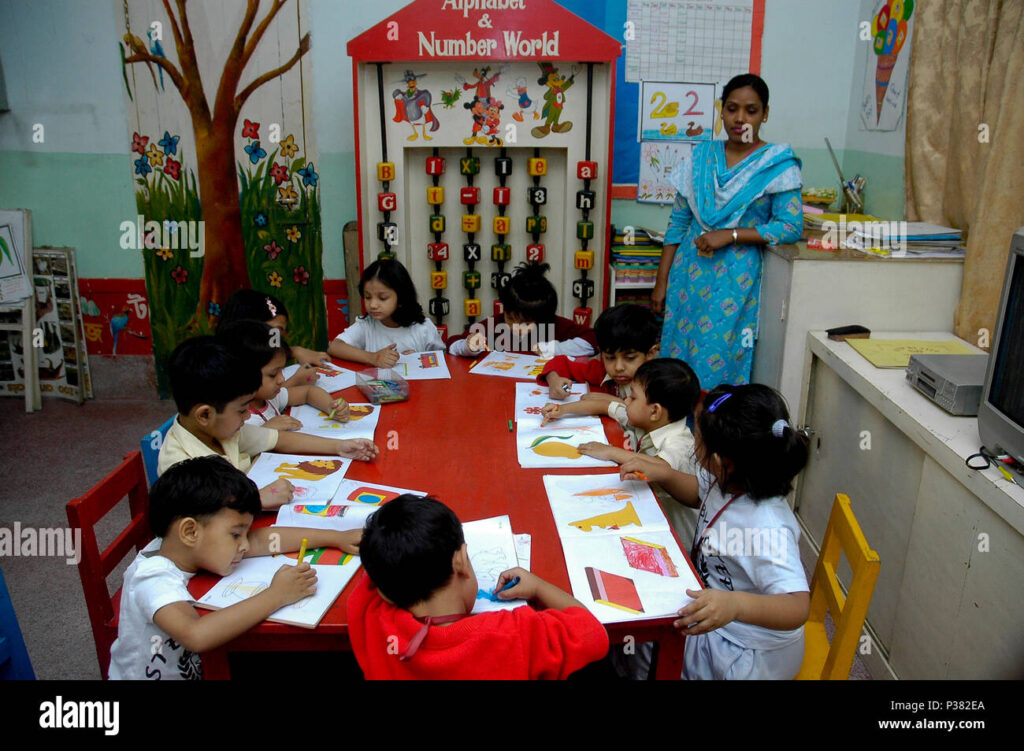
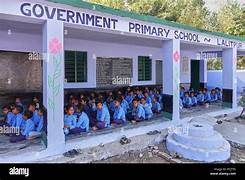
alt text different status between govt. school and private english medium schools
Meta Description
Discover why Indian parents are increasingly sending children to English-medium schools despite challenges. Explore the reality, reasons, disadvantages, and solutions to strengthen education in India.
SEO Keywords
– English-medium schools in India
– Indian parents education choices
– decline of government schools India
– private school glamour vs reality
– English vs mother tongue education
– education inequality in India
– role of government schools in India
– English language and jobs in India
– parental pressure in education India
– education reform India
SEO Tags
Education in India, English-medium schools, Government schools, Private schools, Parental choices, Language and education, Education inequality, Teacher welfare, Rural education, Indian education reform
Introduction
Ministry of education NCERT Guidelines
India’s education landscape is undergoing a dramatic shift. Across villages, towns, and cities, English-medium schools are mushrooming at an unprecedented pace. Parents—many of them poor or even illiterate—are stretching their finances to enroll their children in these institutions. The belief is simple yet powerful: English equals opportunity, status, and success. But beneath this trend lies a serious concern. Are children truly learning, or are they being burdened with a false promise?
1. Today’s Reality
– English-medium schools are rapidly expanding, even in rural areas.
– Enrollment in government schools is steadily declining.
– Parents from economically weaker sections are spending beyond their means to afford private English-medium education.
– Ironically, in most of these schools, teachers themselves struggle with English, and children fail to grasp the language.
– Students are overloaded with homework and tuition but achieve little meaningful learning.
This reality paints a troubling picture: parents are chasing a dream that may not deliver the promised results.
2. Why Do Parents Choose English-Medium Schools?
2.1 English = Job and Status
English has become synonymous with employment, wealth, and social prestige. Parents believe fluency in English guarantees better career opportunities and respect in society.
2.2 Declining Trust in Government Schools
Government schools suffer from absentee teachers, poor infrastructure, and weak accountability. Parents, frustrated with the lack of quality, turn to private institutions—even if they cannot afford them.
2.3 Social Pressure and Pretense
Education choices are often influenced by neighbors and relatives. If one family sends their child to an English-medium school, others feel compelled to follow, fearing social judgment.
2.4 The Glamour of Private Schools
Private schools market themselves with polished uniforms, strict rules, and the label “English-medium.” Parents equate these external symbols with quality education, overlooking the actual learning outcomes.
3. Disadvantages of the English-Medium Rush
– Weak Foundation in Language: Children fail to master both English and their mother tongue.
– Loss of Curiosity: Excessive homework and tuition suppress creativity and playfulness.
– Empty Government Schools: Declining enrollment widens the gap between rich and poor, deepening inequality.
– Low Self-Confidence: Without strong basics, children struggle academically and socially, leading to insecurity.
This misguided focus on English-medium education risks creating generations of students who lack both linguistic strength and intellectual confidence.
4. Ways to Change Old Thinking
4.1 Strengthen Government Schools
Improving teacher quality, infrastructure, and accountability can restore faith in government schools. When parents see genuine learning outcomes, they will trust public education again.
4.2 Make English a Skill, Not a Medium
Children should first be educated in their mother tongue, which builds cognitive strength. English can then be taught as a skill. Nations like Japan and Germany thrive globally without abandoning their native languages.
4.3 Convince Parents Through Awareness
Community meetings, panchayats, and awareness campaigns can help parents understand that “good education” matters more than “English-medium.”
4.4 Highlight Local Role Models
Showcase successful professionals—doctors, engineers, officers—who studied in government or Hindi-medium schools. These examples can inspire confidence in parents.
5. The Result
Parents’ desire for their children’s success is genuine. However, when misdirected, it weakens the foundation of education. Focusing solely on English-medium instruction risks lifelong consequences.
True success lies in:
– Intelligent learning
– Confidence building
– Critical thinking
– Balanced bilingual skills
Language itself is not magic. The real magic lies in quality education, self-confidence, and clear understanding.
Conclusion
The rush toward English-medium schools reflects deep social aspirations but also exposes systemic failures in India’s education system. Strengthening government schools, redefining English as a skill, and reshaping parental perceptions are crucial steps forward. India’s future depends not on blind imitation but on building strong foundations in both native languages and English.
Suggested SEO-Friendly Headings for Blog/Website
– Why Indian Parents Prefer English-Medium Schools
– The Decline of Government Schools in India
– English vs Mother Tongue: Which Builds Better Foundations?
– The Hidden Disadvantages of English-Medium Education
– How to Reform Education Thinking in India
– Role Models Who Prove Hindi-Medium Success Storie
internal link for similar articles visit https://cordcraft.in

Well researched article