Snoring: Definition, Causes, Anatomy of the Throat & Why This Disorder Remains Difficult to Treat
Meta Description:
Snoring is a common breathing disorder caused by vibration of throat tissues during sleep. Learn its definition, aetiology, throat anatomy, and the roles of the larynx and pharynx. Discover why snoring remains challenging to cure fully.
Keywords:
Snoring, What is snoring, Causes of snoring, Snoring aetiology, Throat anatomy, Larynx, Pharynx, Sleep disorder, Breathing disorder, Snoring treatment, Obstructive sleep apnea, Why snoring is difficult to treat
WHO Guidelines and learn more on snoring
Understanding Snoring: Causes, Anatomy & Why It Remains Difficult to Cure
Snoring is one of the most widespread but least understood breathing disorders. Millions of people around the world experience snoring, yet only a small percentage seek medical help. Although it appears simple, snoring has deep roots in human anatomy, sleep physiology, and airway mechanics. This blog explains what snoring is, why it occurs, which organs are involved, and why the disorder remains challenging to treat completely even today.
MOHFW learn in the management of snoring
What is Snoring? — Definition
Snoring is the sound produced when airflow causes the soft tissues of the throat to vibrate during sleep.
When a person sleeps, the muscles of the throat, tongue, and soft palate relax. In some people, these relaxed tissues partially block the airway, leading to vibration. This vibration creates the familiar harsh, hoarse, or rattling sound known as snoring.
Snoring is not just a sound problem. It is a breathing disorder, and in some cases, it is the first sign of more serious conditions such as Obstructive Sleep Apnea (OSA).
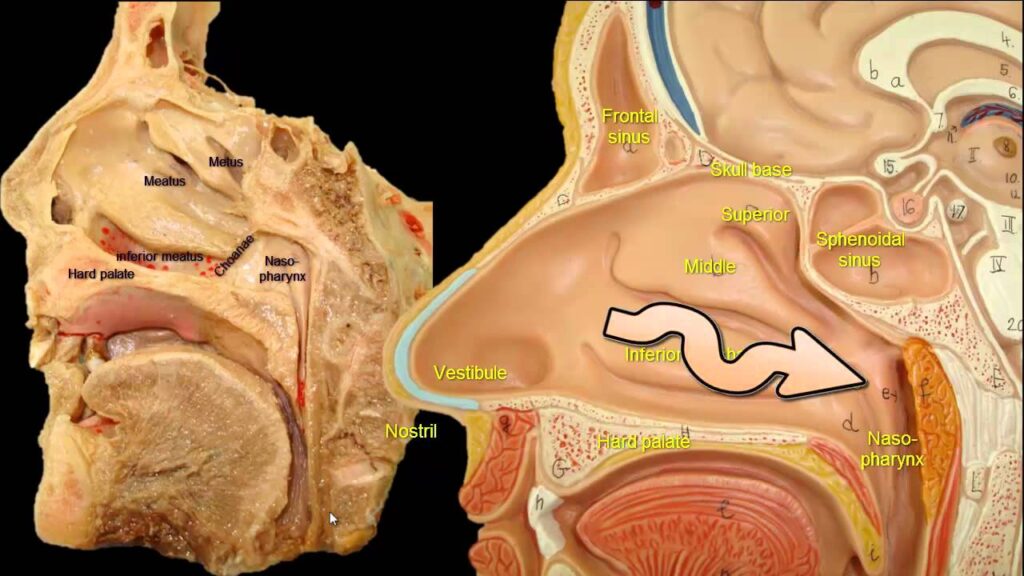
alt text sonring anotomy explained
Aetiology (Causes) of Snoring
Snoring can occur due to many anatomical, lifestyle, and medical reasons. The main causes include:
1. Relaxation of Throat Muscles
During sleep, throat muscles loosen. If they relax excessively, they narrow the airway, causing vibration.
2. Obstruction in the Nose or Throat
Common causes include:
- Deviated nasal septum
- Nasal polyps
- Enlarged tonsils
- Swollen adenoids
- Sinus infections
3. Obesity
Excess fat around the neck compresses the airway, making it narrower.
4. Aging
As we grow older, muscle tone reduces. The throat becomes softer and more prone to vibration.
5. Alcohol and Sedatives
These substances excessively relax throat muscles and worsen snoring.
6. Sleep Position
Sleeping on the back makes the tongue fall backward, blocking the airway.
7. Genetic Factors
Some people naturally have:
- Narrow airways
- Long uvula (soft tissue projection)
- Thick soft palate
These increase susceptibility.
8. Smoking
Irritates throat tissues and increases swelling.
9. Enlarged Laryngeal Structures
Such as floppy epiglottis or weak vocal cords.
alt text the snoring pattern explained
Organs Involved in Snoring & Breathing Disorders
Snoring occurs due to vibration in several connected structures involved in breathing:
• Nose
Filters, humidifies, and warms air. Blockage creates mouth breathing, leading to snoring.
• Pharynx (Throat)
A muscular tube behind the nose and mouth. It is the most common site of snoring vibration.
• Larynx (Voice Box)
Controls airflow and protects the airway. Weakness or collapse of the laryngeal structures can disturb normal breathing.
• Soft Palate and Uvula
If these tissues are long or thick, they vibrate easily.
• Tongue
Falls backward during sleep, partly obstructing the airway.
Anatomy of the Throat: Understanding the Snoring Mechanism
To understand snoring, it is important to know the anatomy of the throat.
1. Nasopharynx
Upper part behind the nose. Swelling due to allergy or infection can block airflow.
2. Oropharynx
Located behind the mouth.
Contains:
- Soft palate
- Uvula
- Tonsils
This is the primary snoring zone; vibration occurs here most frequently.
3. Laryngopharynx
Just above the larynx.
Narrowing in this region makes airflow turbulent.
4. Larynx (Voice Box)
Contains vocal cords and the epiglottis.
It controls:
- Air passage
- Sound production
- Prevents choking
Weakness or collapse can contribute to snoring and sleep apnea.
Role of Pharynx and Larynx in Snoring
Role of the Pharynx
- Acts as a flexible tube for air.
- Loses muscle tone during sleep.
- When narrowed, becomes the main site of vibration.
- If tonsils or adenoids are large, obstruction becomes severe.
Role of the Larynx
- Helps maintain open airway.
- Epiglottis controls airflow direction.
- Any abnormal shape or weakness can worsen snoring.
- Plays a role in obstructive sleep apnea when it collapses partially.
Both organs work together to maintain smooth airflow. Any abnormality leads to turbulence and sound generation.
Why Snoring Remains Difficult to Treat Even Today
Despite modern medicine and technology, snoring has no single permanent cure. Reasons include:
1. Complex Anatomy
Everyone’s throat structure is different.
Doctors cannot change natural anatomy beyond a certain limit.
2. Multiple Causes
Snoring is not caused by just one factor.
It can be due to:
- obesity
- nasal blockage
- throat anatomy
- sleep habits
- aging
- genetics
Treating one factor may not solve the problem.
3. Muscle Tone Decreases with Age
No medicine can permanently restore youthful throat muscle strength.
4. Surgery Has Limitations
Procedures like UPPP (Uvulopalatopharyngoplasty) remove excess tissue but:
- Do not work for everyone
- Sometimes snoring returns
- Healing is painful
5. Lifestyle Habits
Alcohol, smoking, and sleep posture worsen snoring.
Unless lifestyle changes are maintained, symptoms return.
6. Weight Gain
Even a small increase in weight can worsen snoring significantly.
7. Sleep Apnea Complication
Many snorers have undiagnosed obstructive sleep apnea (OSA), a serious condition requiring lifelong management with CPAP therapy.
8. No Universal Treatment
What works for one person may fail for another.
Each patient requires a tailor-made treatment plan.
Internal link read more similar articles
Final Thoughts
Snoring may seem harmless, but it is actually a sign of disturbed airflow through the throat. Understanding the anatomy of the pharynx, larynx, and surrounding tissues helps us realize the complexity of this disorder. With multiple contributing factors and individual anatomical differences, snoring remains a challenging condition to treat completely.
However, lifestyle changes, medical evaluation, and targeted treatments can significantly improve sleep quality and reduce risks.
Disclaimer
This article is for educational purposes only. It does not replace medical consultation, diagnosis, or treatment. Anyone experiencing loud snoring, breathing pauses during sleep, or daytime fatigue should consult an ENT specialist or sleep medicine expert.