The Power of Garlic: Origin, Composition, and Health Benefits
Meta Description
Garlic — its origin, global distribution, chemical composition, and scientifically backed health benefits. Learn how garlic supports digestion, lowers cholesterol and blood pressure, fights infections, and more — plus precautions and how to use it safely.
Keywords: garlic, Allium sativum, garlic benefits, garlic nutrition, garlic cholesterol, garlic digestion, garlic skin disorders, garlic antimicrobial, garlic cancer, garlic cardiovascular health, garlic side effects, garlic uses, allicin, garlic precautions
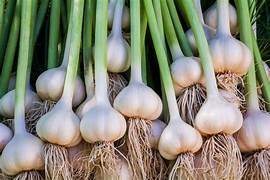
alt text garlic after cultivation
Origin and Distribution
Garlic ICMR link(scientific name Allium sativum) belongs to the Allium family, which also includes onions, leeks, and chives.
Historians believe garlic originally came from Central Asia, from where it spread through cultivation and trade. Over time, garlic found a home across many continents. It has been adopted in diverse culinary and medicinal traditions — from Asia (China, India, Korea) to the Middle East, Europe, and Africa.
Today, garlic grows in a variety of climates and soils. Its adaptability — even to poorer soils or drier conditions — makes it a staple in many regions globally.
Composition of Garlic
When you eat a few cloves of garlic, you get more than just flavor. Garlic’s nutritional and chemical components contribute to many of its health effects:
- Garlic cloves are roughly 59% water, 33% carbohydrates, ~6% protein, ~2% dietary fiber, and less than 1% fat.
- In terms of micronutrients, garlic provides small but useful amounts of vitamins and minerals — including vitamin B6, vitamin C, manganese, and trace elements like calcium, potassium, phosphorus, and zinc.
- But what truly gives garlic its therapeutic potential are its organosulfur compounds, especially Allicin. Allicin is produced when garlic is crushed or chopped (via the enzyme alliinase acting on alliin), and is responsible for garlic’s pungent smell.
- Allicin is quite reactive and unstable — it rapidly transforms into other sulfur-containing compounds such as Diallyl disulfide and related polysulfides, which also contribute to garlic’s bioactivity.
This unique chemical profile — combining nutrients + potent sulfur compounds — underpins many of garlic’s purported health benefits.
Therapeutic & Curative Properties
Garlic has a long history of use in traditional medicine. Modern scientific research — though still evolving — supports many of these uses. Below are some of the most studied health benefits, along with what is known (and what remains uncertain).
Cardiovascular Health, Cholesterol & Blood Pressure
- Garlic appears to lower total and “bad” LDL cholesterol modestly in people with high cholesterol. Some studies report reductions of up to 10% in LDL after consistent garlic consumption (about 3–6 g or one clove/day).
- Aged garlic extract (AGE) — a popular supplement form — has shown to reduce total cholesterol by ~7% and LDL by ~10% in men with elevated cholesterol.
- Garlic has demonstrated blood pressure–lowering effects. A meta-analysis of hypertensive patients found average reductions of ~8.3 mmHg (systolic) and ~5.5 mmHg (diastolic) — comparable to some first-line blood-pressure medications.
- These cardiovascular benefits are believed to arise from garlic’s ability to relax blood vessels (through mechanisms involving sulfur compounds), improve blood flow, reduce “stickiness” of blood (less platelet aggregation), and lower oxidative stress.
- Overall, regular garlic consumption has been associated with lower risk of atherosclerosis, heart disease, and related cardiovascular disorders.
Impact on Lipid and Metabolic Disorders
- Garlic may help manage hyperlipidemia (high blood fats) and dyslipidemia, reducing total cholesterol, LDL, and triglycerides, which in turn helps reduce cardiovascular risk.
- Recently, research (2024) suggested that garlic can help regulate blood sugar and lipid metabolism, offering potential benefits for metabolic disorders like type-2 diabetes or metabolic syndrome.
Antioxidant, Anti-inflammatory, Antimicrobial & Immune Effects
- Garlic exhibits strong antioxidant activity, helping the body fight oxidative stress (cellular damage by free radicals).
- It also has notable antimicrobial, antiviral, and antifungal effects: garlic has been traditionally used as antibiotic-like remedy against infections.
- Due to these properties, garlic has been used historically to manage infections — from common colds and coughs, to more serious skin infections, ulcers, or wounds (though modern evidence is more robust for the mild infections).
- Its anti-inflammatory potential suggests usefulness for inflammatory conditions and may help with joint pain and rheumatic conditions (though scientific evidence for long-term benefits in arthritis is limited).
Potential Cancer-Preventive and Other Benefits
- Some lab and observational studies find that garlic (and its sulfur compounds) may have anticarcinogenic properties — potentially helping prevent certain cancers (especially digestive-system cancers).
- Garlic may support immune function thanks to its antimicrobial and antioxidant effects, possibly helping the body resist or fight infections.
- Additional traditional uses — such as improving digestion, acting as an aphrodisiac, relieving chest or respiratory disorders, helping with skin disorders, wounds, ulcers or blood disorders — have been recorded across cultures. While some of these uses are supported by limited scientific data (e.g. antimicrobial effects, gut health), others remain anecdotal or lack rigorous evidence.
Garlic for Specific Conditions (Digestive Disorders, High Cholesterol, Rheumatism, Respiratory, Skin, etc.)
Based on both traditional wisdom and modern research:
- Digestive disorders & metabolism: Garlic may stimulate digestive enzymes, improve gut health (benefiting microbiome), and help regulate blood lipid and glucose metabolism.
- High cholesterol & heart disease: As above, garlic’s lipid-lowering, blood-pressure regulating, antioxidant and anti-inflammatory effects make it useful in supporting cardiovascular health.
- Rheumatism / joint pain: The anti-inflammatory and antioxidant compounds of garlic may ease inflammation and oxidative stress that contribute to joint problems; some recommend topical application (e.g. garlic oil) for joint soreness — though evidence is weak and caution is advised (skin irritation).
- Infections, skin disorders, wounds & ulcers: Garlic’s antimicrobial and antiseptic properties potentially help fight bacteria, fungi, and viruses — historically used for skin infections, ulcers, and as a topical antiseptic.
- Respiratory problems (cough, chest disorders, whooping cough, diphtheria): Garlic has been used in folk medicine for respiratory illnesses, thanks to its antimicrobial and immune-supporting properties. Scientifically, while some antimicrobial benefits are valid, evidence for serious conditions (like diphtheria) is insufficient.
- Blood disorders & circulation: Through its effect on blood lipids, platelet aggregation, and vessel health, garlic may support better circulation and reduce risks tied to poor blood flow or clotting.
- Cancer prevention: Some observational studies link garlic to lower risk of certain cancers (especially digestive tract), though causal evidence remains limited — more research is needed.
- General immunity and metabolic health: Via antioxidant, antimicrobial, anti-inflammatory, and metabolic effects, garlic may support overall health and resilience against several disorders when used appropriately.
How to Use Garlic — Practical Tips & Precautions
Here are some guidelines for enjoying garlic’s benefits while avoiding potential downsides:
- Raw vs cooked garlic: Raw garlic generally offers stronger health benefits because the key compound allicin forms when garlic is crushed or chopped. Cooking soon after chopping reduces allicin formation.
- How much to consume: Many studies show benefits with around 1–2 cloves (≈ 3–6 grams) per day.
- Timing: Some traditional advice suggests eating garlic on an empty stomach for maximum benefits, especially for digestion or immune support — though scientific consensus on timing is lacking.
- Supplement vs diet: Garlic supplements (dried garlic powder, aged garlic extract, garlic oil) exist — but results may vary with formulation and dose. Supplements should not replace a balanced diet and healthy lifestyle.
Possible Side Effects & Precautions
While garlic is generally safe and beneficial, there are some cautions:
- Common reactions include bad breath, body odor, and gastrointestinal discomfort (heartburn, gas, indigestion), especially when raw garlic is consumed in excess.
- People on blood-thinning medication or with bleeding disorders should be cautious: garlic can have mild blood-thinning/antiplatelet effects.
- Topical use (like garlic oil on skin) can irritate skin, cause burns or dermatitis — especially for people with sensitive skin or allergies.
- Because allicin and related compounds are reactive and degrade with time and heat, overcooked or old garlic may have reduced potency.
- As with any natural remedy, garlic should not be considered a “miracle cure.” It can support health — but should complement, not replace, conventional medical care, especially for serious conditions like cancer, severe infections, or chronic illnesses.
What Science Says — vs What’s Myth or Unproven
It’s important to understand that while garlic is promising, not all traditional claims are fully backed by science:
- The evidence is strongest for cardiovascular benefits — lowering LDL cholesterol, modest blood pressure reduction, improved blood flow — with several clinical trials and meta-analyses.
- There is some evidence for metabolic benefits (lipid, glucose regulation), and emerging data (e.g. 2024 studies) support garlic’s potential role in managing metabolic disorders.
- Garlic clearly has antimicrobial and antioxidant properties in lab studies, which offer a plausible mechanism for immune support, infection-fighting, and possibly cancer prevention.
- But for many traditional claims — such as curing skin ulcers, diphtheria, serious diseases, acting as a powerful aphrodisiac, or treating advanced cancers — there is little to no strong clinical evidence.
- Moreover, the effects of garlic can vary widely depending on form (raw / cooked / supplement), dose, frequency, preparation, and individual health status.
In short: garlic is a valuable complement to a healthy lifestyle and diet, and may offer several benefits — but should not replace medical advice, drugs, or treatments when needed.
How Garlic Might Help (And Where It Should Be Used Carefully) — A Summary Table
| Health Concern / Usage | Possible Benefits of Garlic | Evidence Strength / Notes |
| High cholesterol / lipid imbalance | Lowers total and LDL cholesterol; may reduce triglycerides | Moderate — multiple studies, effects modest but real |
| High blood pressure / heart disease risk | Reduces blood pressure, improves circulation, reduces blood “stickiness” | Moderate — meta-analyses show average reductions; effects comparable to some mild blood-pressure drugs |
| Metabolic disorders (lipids, glucose) | May improve lipid profile and glucose metabolism, support healthy metabolism | Emerging / moderate |
| Immune support & infection resistance | Antimicrobial, antiviral, antifungal properties; may help fight colds / minor infections | Moderate for mild infections; limited for serious diseases |
| Antioxidant / anti-inflammatory support | Reduces oxidative stress, inflammation; may support general health, reduce chronic disease risk | Moderate |
| Skin disorders / wounds / ulcers (traditional uses) | Antiseptic, cleansing properties (topical) | Weak / anecdotal — possible irritation risks |
| Cancer prevention (especially digestive tract) | Potential anticancer effects in lab/observational studies | Promising but unproven — more studies needed |
| Digestive support / gut health | May stimulate digestive enzymes, support beneficial gut bacteria | Some evidence; especially for raw garlic or prebiotic effects |
Precautions, Risks & When to Consult a Doctor
While garlic is natural and widely consumed, it is not risk-free:
- Digestive issues: Some people may experience heartburn, gas, bloating or acid reflux — especially with raw garlic or large amounts.
- Bleeding risk: Garlic has mild antiplatelet effects — this may matter for people on blood-thinners, with bleeding disorders, or scheduled for surgery.
- Skin irritation / allergy: Topical application (garlic oil, crushed garlic) may cause skin burns, rashes, or dermatitis in sensitive individuals.
- Variability & dosage: The health effect depends heavily on how garlic is prepared (raw, cooked, supplement), how much, and how often; overestimating benefits or using garlic in place of medical treatment can be risky.
- Not a standalone cure: For serious diseases — cancer, serious infections, chronic illnesses — garlic may support health, but it should not replace conventional medicine.
Thus, if you have a chronic condition, are pregnant or breastfeeding, are on medications (especially blood thinners), or have digestive or skin sensitivity — it’s wise to consult a qualified physician before using garlic therapeutically.
Conclusion
Garlic — humble, pungent, and widely available — is more than just a flavoring agent. Its unique mix of nutrients and potent sulfur compounds (especially allicin) gives it a remarkable range of potential health benefits: from lowering cholesterol and blood pressure, to supporting heart health, boosting immunity, aiding digestion, and even possibly helping prevent certain cancers.
That said, garlic is not a magic bullet. Its effects are real but mostly modest to moderate, and they work best as part of a balanced diet and healthy lifestyle. Overhyped claims — like curing serious diseases, replacing medical treatment, or acting as a guaranteed aphrodisiac — remain unproven or weakly supported.
Used wisely and moderately — ideally raw or freshly crushed, about a clove a day — garlic can be a powerful ally for health. But like any powerful natural remedy, it comes with caveats: digestive discomfort, interaction with medications, or skin reactions can occur.
Disclaimer & Note
This blog is intended for educational purposes only and does not substitute for professional medical advice. The health benefits of garlic described here are based on current scientific research — but individual responses vary, and not all traditional claims are firmly supported by evidence. Before using garlic (especially in large amounts or as a supplement) for therapeutic purposes — particularly if you have existing health conditions, are on medications, are pregnant, or are considering topical use — please consult a qualified healthcare professional.