Hemiplegia is paralysis of one side of the body, usually caused by brain damage from stroke, hemorrhage, thrombosis, embolism, or tumors. It presents with weakness, stiffness, and loss of movement. Treatment involves medical care, physiotherapy, and sometimes homeopathic remedies. If untreated or progressive, it can extend to paraplegia (paralysis of both legs).
Hemiplegia Explained: Causes, Symptoms, and Treatments
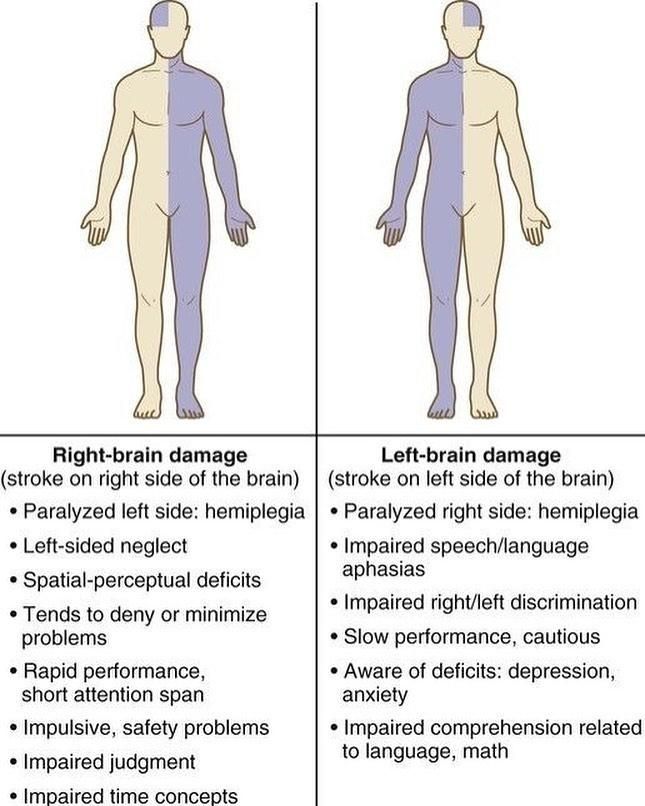
Alt Text hemiplegia explained
Discover hemiplegia in simple terms: causes (stroke, arteriosclerosis, hemorrhage, thrombosis, embolism, tumors), symptoms, clinical features, treatment options, homeopathic remedies, and how it can progress to paraplegia.
Keywords
Hemiplegia, paralysis, stroke, arteriosclerosis, thrombosis, embolism, cerebral tumor, upper motor neuron, lower motor neuron, homeopathy for hemiplegia, paraplegia, hemiplegia treatment, neurological disorders.
Introduction (ICMR general guidelines)
Hemiplegia is a neurological condition where one side of the body becomes paralyzed. The word comes from “hemi” (half) and “plegia” (paralysis). It is most often linked to stroke but can also result from brain injury, tumors, or infections. Understanding hemiplegia is important because it affects mobility, independence, and quality of life.
Causes of Hemiplegia
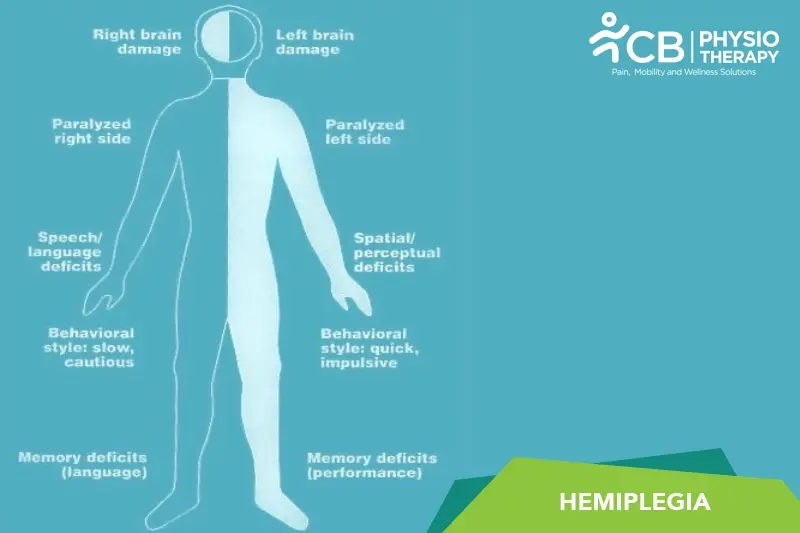
Alt Text Sudden Onset Causes
– Arteriosclerosis (hardening of arteries): Narrowed vessels reduce blood flow to the brain, leading to stroke.
– Haemorrhagic stroke: A blood vessel bursts, causing bleeding inside the brain.
– Thrombosis: A blood clot forms inside a brain artery, blocking circulation.
– Embolism: A clot or fat particle travels from elsewhere (like the heart) and lodges in the brain.
Slow Onset Causes
– Cerebral Tumor: A growing tumor presses on brain tissue, gradually impairing motor control.
– Degenerative diseases: Conditions like multiple sclerosis may slowly damage nerve pathways.
Sources:
Clinical Features
General Symptoms
– Paralysis or severe weakness on one side of the body (arm, leg, sometimes face).
– Loss of coordination and balance.
– Muscle stiffness (spasticity).
– Difficulty speaking (aphasia) if the dominant brain hemisphere is affected.
Upper Motor Neuron (UMN) Signs
– Spasticity (rigid muscles).
– Exaggerated reflexes.
– Weakness without muscle wasting.
Lower Motor Neuron (LMN) Signs
– Flaccid paralysis (limp muscles).
– Muscle wasting.
– Loss of reflexes.
Progression to Paraplegia
While hemiplegia affects one side, paraplegia involves paralysis of both legs. This can happen if:
– The underlying disease spreads (e.g., tumor growth).
– Multiple strokes damage both hemispheres.
– Spinal cord injury coexists with brain damage.
Treatment Options
Conventional Medicine
– Emergency stroke care: Clot-busting drugs, surgery for hemorrhage.
– Physiotherapy: Exercises to regain strength and mobility.
– Occupational therapy: Training for daily activities.
– Speech therapy: For communication difficulties.
Homeopathic Remedies
Homeopathy offers supportive care, aiming to improve recovery and reduce symptoms. Common remedies include:
– Arnica: For paralysis after injury or stroke.
– Causticum: For progressive paralysis with stiffness.
– Gelsemium: For weakness and trembling.
– Plumbum Metallicum: For spastic paralysis with muscle wasting.
⚠️ Note: Homeopathy should be used as complementary therapy, not a replacement for urgent medical care.
Living with Hemiplegia
– Rehabilitation is key. Early physiotherapy improves outcomes.
– Assistive devices (wheelchairs, braces) help mobility.
– Family support is crucial for emotional well-being.
References
– Homeo Care Clinic – Hemiplegia Treatment in Homeopathy
– Ask Dr. Shah – Hemiplegia (Paralysis) Treatment with Homeopathic Medicine
– Rajeev Clinic – Hemiplegia Causes and Homeopathic Treatment
Disclaimer
This blog is for educational purposes only. It explains hemiplegia in layman’s language. It is not a substitute for professional medical advice. If you or someone you know experiences sudden paralysis, seek emergency medical care immediately. Homeopathic remedies should only be taken under the guidance of a qualified practitioner.