
Meta Description: Understand the critical difference between cardiac arrest and a brain stroke. This in-depth guide, citing Lancet research, explains causes, treatments, first aid, and the 3 essential medications to keep on hand. Learn how to save a life.
Slug: cardiac-arrest-brain-stroke-lancet-guide-first-aid-medicine
Focus Keyphrase: cardiac arrest and brain stroke
alt text : cardiac arrest and brain stroke internal link
The Heart and The Brain: A Lancet-Informed Guide to Cardiac Arrest & Stroke
In the critical landscape of medical emergencies, two conditions stand out for their severity and time-sensitive nature: cardiac arrest and brain stroke. Often confused, they are fundamentally different events affecting two distinct organs. Understanding this difference isn’t just academic—it can be the difference between life and death.
This article delves deep into what these conditions are, explores the groundbreaking insights from Lancet research on their causes and treatments, and provides a practical guide on first aid, allopathic medications, and the essential tablets patients prone to these diseases should have on hand.
Part 1: Defining the Enemies – Cardiac Arrest vs. Brain Stroke
What is Cardiac Arrest?
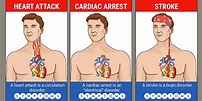
Cardiac arrest is an “electrical” problem. It occurs when the heart’s electrical system malfunctions, causing it to beat irregularly and inefficiently (a condition called ventricular fibrillation) or stop beating altogether. This sudden, unexpected failure means the heart can no longer pump oxygen-rich blood to the brain, lungs, and other vital organs. Within seconds, a person loses consciousness and has no pulse. Without immediate treatment, death occurs in minutes.
Think of it as the heart’s pump suddenly short-circuiting.
What is a Brain Stroke?
A brain stroke is a “plumbing” problem in the brain. It happens when the blood supply to a part of the brain is interrupted or severely reduced, depriving brain tissue of oxygen and nutrients. Brain cells begin to die within minutes. Strokes are primarily of two types:
1. Ischemic Stroke (~87% of cases): Caused by a blockage in an artery, usually due to a blood clot.
2. Hemorrhagic Stroke (~13% of cases): Caused by a blood vessel leaking or bursting in the brain.
Think of it as a blockage or a burst pipe in the brain’s intricate plumbing system.
Part 2: The Lancet Research – Unraveling Causes and Pioneering Cures
The Lancet, one of the world’s most prestigious medical journals, has published extensive research shaping our understanding of these diseases.
Insights on Cardiac Arrest
· Causes: Lancet studies have consistently highlighted that the primary cause of sudden cardiac arrest is coronary artery disease (CAD). Other key triggers include cardiomyopathies, inherited arrhythmia syndromes, and severe heart failure. A significant body of research emphasizes that 80% of cardiac arrests outside hospitals are caused by ventricular fibrillation.
· Cure and Management: The Lancet has been instrumental in advocating for Public Access Defibrillation (PAD) programs. Research confirms that the chances of survival decrease by 7-10% with every minute that passes without defibrillation. The definitive “cure” for a heart in a lethal arrhythmia is an electric shock from an Automated External Defibrillator (AED). For long-term prevention in high-risk patients, Lancet papers support the use of Implantable Cardioverter-Defibrillators (ICDs), which monitor and correct dangerous heart rhythms.
Insights on Brain Stroke
· Causes: Global Burden of Disease studies published in The Lancet have pinpointed hypertension as the single most important modifiable risk factor for stroke worldwide. Other major contributors include atrial fibrillation (which causes clot formation in the heart), high cholesterol, diabetes, and smoking.
· Cure and Management: Lancet publications have been the cornerstone for modern stroke treatment. They established the “time is brain” doctrine.
· For Ischemic Stroke, the gold-standard treatment is reperfusion therapy. This includes:
· Thrombolysis (“clot-busting” drugs): Intravenous Alteplase (tPA), which must be administered within 4.5 hours of symptom onset.
· Mechanical Thrombectomy: A procedure where a catheter is used to physically remove a large clot from a brain artery. Landmark trials in The Lancet showed this procedure is effective up to 24 hours in select patients, revolutionizing stroke care.
Part 3: First Aid – Your Actions Save Lives
First Aid for Cardiac Arrest: The Chain of Survival
1. Call for Emergency Help: Immediately dial your local emergency number.
2. Begin Hands-Only CPR: Push hard and fast in the center of the chest at a rate of 100-120 compressions per minute. Don’t stop. This manually circulates blood to the brain.
3. Use an AED: If available, turn it on and follow the voice prompts. It will analyze the heart rhythm and advise a shock if needed.
CPR keeps the blood flowing; the AED restarts the heart.
First Aid for a Suspected Stroke: Think F.A.S.T.
· F – Face Drooping: Does one side of the face droop when the person tries to smile?
· A – Arm Weakness: Is one arm weak or numb? Ask them to raise both arms.
· S – Speech Difficulty: Is speech slurred or strange?
· T – Time to Call Emergency Services: If you observe any of these signs, call an ambulance immediately. Note the time when symptoms first appeared—this is critical for treatment decisions.
While waiting for help, keep the person calm and lying down. Do not give them anything to eat or drink.
Part 4: Medications in Allopathy and The 3 Essential Tablets to Store
Allopathic treatment involves both emergency interventions and long-term preventive medications.
For Cardiac Arrest (Prevention & Post-Event):
· Beta-Blockers (e.g., Metoprolol, Atenolol): Reduce heart rate and blood pressure, decreasing the heart’s oxygen demand.
· ACE Inhibitors (e.g., Lisinopril, Enalapril): Help manage heart failure and high blood pressure post-arrest.
· Antiarrhythmics (e.g., Amiodarone): Help maintain a normal heart rhythm.
For Stroke (Ischemic) Prevention & Management:
· Antiplatelets: Aspirin is the most common, used to prevent clot formation.
· Anticoagulants (e.g., Warfarin, Dabigatran, Rivaroxaban): Used specifically for patients with atrial fibrillation to prevent stroke.
· Statins (e.g., Atorvastatin, Rosuvastatin): Lower cholesterol and stabilize plaque, preventing it from rupturing and causing blockages.
The Lifesaving Medicine & 3 Tablets to Store
The true “lifesaving medicine” is the one administered in a hospital setting: Alteplase (tPA) for ischemic stroke and the electric shock from an AED for cardiac arrest. These are not stored at home.
However, for patients with a known history or high risk of heart disease and stroke, having the following three essential tablets on hand, as advised by their doctor, can be a crucial part of a rapid response plan:
1. Aspirin (Disprin/Soluble Aspirin): In the event of chest pain suggestive of a heart attack (a common trigger for cardiac arrest), chewing a non-coated 325mg aspirin can thin the blood and prevent the clot from worsening. Important: Only do this if recommended by a doctor and after calling emergency services.
2. Statins (e.g., Atorvastatin 40/80mg): A high-dose statin is often prescribed as a one-time dose during a acute coronary event to stabilize plaque and improve outcomes.
3. Blood Pressure Medication (e.g., Clonidine): For stroke-prone hypertensive patients, a fast-acting sublingual or oral BP pill may be prescribed for a hypertensive emergency (extremely high BP) to reduce the risk of a hemorrhagic stroke. This must be strictly per a doctor’s instruction.
Crucial Disclaimer: This is not medical advice. The choice to administer any medication during an emergency must be guided by a healthcare professional’s prior recommendation. Always call for emergency help first.
Conclusion: Knowledge is Power
Cardiac arrest and stroke are formidable foes, but our understanding of them, thanks to research from institutions like The Lancet, is constantly evolving. By knowing the difference, recognizing the signs, and being prepared to act with effective first aid, you become a vital link in the chain of survival. Empower yourself with this knowledge—it’s a resource that has the potential to save a precious life.

Nice
Good
Very good
Super 👍
Great 👍
Bahut sundar