Understanding Spermatoceles & Hydrocele
A simple educational guide for youngsters
(Refer to the illustration above showing Spermatocele and Hydrocele locations.)
What is a Spermatocele?
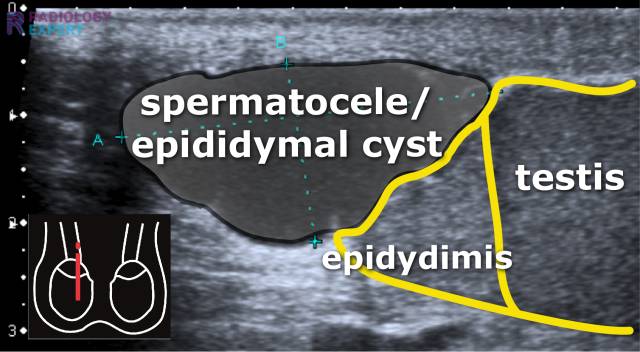
A spermatocele is a fluid-filled cyst that develops in the epididymis, the small coiled tube located on top and behind the testicle. This cyst usually contains milky fluid with sperm. It is non-cancerous and often painless.
Key features
- Small lump above the testicle
- Smooth and movable swelling
- Usually painless
- May increase slowly in size
- Sometimes causes heaviness
A spermatocele is not dangerous, but large ones may cause discomfort.
What is a Hydrocele?
A hydrocele is collection of fluid around the testicle inside the scrotum. Instead of a lump on top, the entire scrotum becomes swollen.
Key features
- Painless scrotal swelling
- Soft balloon-like feel
- Swelling increases gradually
- Usually no redness or fever
- Often seen in newborns and adults
Hydrocele is also benign (non-cancerous) but large hydroceles may cause heaviness.
Spermatoceles vs Hydrocele (Simple Difference)
| Feature | Spermatocele | Hydrocele |
| Location | On top of testicle | Around testicle |
| Content | Sperm fluid | Clear fluid |
| Shape | Small lump | Whole scrotum swollen |
| Pain | Usually none | Usually none |
| Risk | Harmless | Harmless |
Why Are Youngsters More Affected Today?
Many young men report lumps, fluid leakage, erections, libido changes. This is mainly due to:
1. Hormonal surge
Young age = high testosterone
- Increased sperm production
- Increased seminal fluid
- More sexual thoughts and erections
This is normal physiology, not disease.
2. Sedentary lifestyle
- Long sitting (mobile, laptop)
- Tight underwear
- Heat around testicles
- Poor blood circulation
This may contribute to epididymal blockage → spermatocele.
3. Minor unnoticed infections
- Urinary infection
- Epididymitis (tube inflammation)
- Trauma or strain
After inflammation heals, fluid gets trapped → cyst forms.
Does Masturbation Cause Spermatocele?
Short answer: No.
Masturbation does NOT directly cause:
- spermatocele
- hydrocele
- infertility
However excessive rough handling may:
- irritate epididymis
- cause temporary swelling
- create discomfort
But this is temporary, not permanent cyst formation.
Scientific evidence shows:
- Masturbation is normal
- No relation to hydrocele
- No proven cause of spermatoceles
So avoid myths and fear.
How Does Cyst Occur After Epididymitis
How Does Cyst Occur After Epididymitis?
Step-by-step explanation:
- Infection or inflammation in epididymis
- Tubules become swollen
- Sperm flow gets blocked
- Fluid accumulates
- Small sac develops
- This becomes spermatocele
So spermatoceles are basically blocked sperm ducts forming a small pocket.
Common Complaints in Youth Today
Many youngsters report:
- Frequent erection
- Increased libido
- Nightfall
- Gel-like discharge
- Pre-ejaculate fluid
- Heaviness in testicle
Most of these are normal hormonal effects, especially in:
- Age 15–30
- High sexual thoughts
- Lack of ejaculation
- Anxiety about semen loss
Pre-ejaculate fluid is normal. It is lubricating fluid, not sperm.
Symptoms That Need Doctor Visit
Consult doctor if:
- Pain in testicle
- Sudden swelling
- Fever
- Redness
- Rapid increase in size
- Hard lump
- Injury
These may indicate:
- infection
- torsion
- tumor (rare but important)
Treatment Options
1. Allopathy Treatment
Doctors usually recommend:
For spermatocele
- Observation (no treatment needed)
- Pain relief medicines
- Surgery only if large
For hydrocele
- Observation if small
- Hydrocelectomy surgery if large
- Needle aspiration (temporary)
Most cases do not require surgery.
2. Homeopathy Options (Supportive)
Some commonly used remedies (consult practitioner):
- Pulsatilla
- Conium
- Calcarea fluor
- Rhododendron
These aim to:
- reduce swelling
- improve drainage
- reduce discomfort
Evidence is limited but used symptomatically.
3. Ayurveda Approach
Ayurveda considers:
- Shukra dhatu imbalance
- Kapha fluid accumulation
Common herbal support:
- Gokshura
- Punarnava
- Varun
- Chandraprabha vati
- Kanchanar guggulu
These aim to:
- reduce fluid retention
- improve circulation
- reduce inflammation
Always take under guidance.
4. Home Remedies (Safe Support)
These may help comfort:
Wear supportive underwear
Reduces strain and heaviness.
Warm compress
Improves circulation.
Avoid tight jeans
Prevents heat accumulation.
Reduce long sitting
Improves blood flow.
Hydration
Prevents congestion.
Gentle exercise
Improves lymphatic drainage.
Myths vs Facts
Myth: Masturbation causes hydrocele
Fact: No scientific link
Myth: Semen loss causes weakness
Fact: Normal body function
Myth: Lump means cancer
Fact: Most lumps are benign
Myth: Surgery always needed
Fact: Most cases need observation only
Final Takeaway
- Spermatoceles and hydroceles are common and harmless
- Mostly painless fluid collections
- Not related to masturbation
- Hormones and minor blockages are common causes
- Most cases need no treatment
- Surgery only if large or painful
Do not panic. Get ultrasound confirmation and follow doctor advice.
Tags
#Spermatocele
#Hydrocele
#TesticleSwelling
#MensHealth
#EpididymisCyst
#YouthHealth
#MaleReproductiveHealth
#ScrotalSwelling
#UrologyEducation
#HealthAwareness
Category
Health Education → Men’s Health → Urology