Heading: The Old Village Remedy: Why a 15-Minute Salt Water Soak Works Wonders for Swelling and Pain
Category: Natural Remedies / Wellness
Tags: #inflammation ,homeremedy ,wellness ,naturalhealing ,footsoak ,painrelief
Have you ever heard of someone in a remote village, suffering from pain or swelling, simply immersing their legs in a bowl of warm salt water for 15 minutes and walking away feeling better? It sounds almost too simple to be true, doesn’t it?
This isn’t just an old wives’ tale; it’s a practice rooted in basic physiology and emerging science. While modern medicine has complex protocols, this traditional method uses the principles of thermotherapy (heat treatment) and osmosis to kickstart the body’s natural healing processes. Let’s break down how a bowl of water at 34°C with a little salt can actually help reduce swelling and pain.
The Warm Water: More Than Just Comfort
The first active ingredient in this remedy is the temperature. Setting the bowl to 34 degrees Celsius is a very specific and clever choice. It’s warm, but not scalding—comfortably above skin temperature but below body core temperature.
Here is what happens the moment you put your legs in:
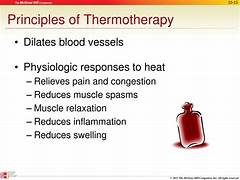
1. Vasodilation (Opening the Floodgates): Warm water causes the blood vessels (capillaries) in your legs to widen, a process called vasodilation . Think of it like opening the lanes on a highway.
The Warm Water: More Than Just Comfort
2. Improved Circulation: This widening improves blood circulation to the area. When you have an injury or inflammation, metabolic waste and inflammatory chemicals build up in the tissues. The rush of fresh blood brings essential oxygen and nutrients while carrying away those waste products .
3. Muscle Relaxation: Heat soothes nerve endings and relaxes tense muscles, which immediately helps reduce the sensation of pain caused by muscle spasms often associated with swelling .
The Little Salt: More Than Just Flavor
Adding “a little salt” (likely common table salt or possibly Epsom salts in some variations) isn’t for taste—it’s for science.
While common table salt (sodium chloride) works differently than therapeutic Epsom salts (magnesium sulfate), the principle of creating a mineral-rich environment is key .
· The Osmotic Effect: Salt is hygroscopic, meaning it can draw moisture out. In the case of inflammation, the tissues are filled with excess fluid (edema). The salty water creates a gentle osmotic pressure that can help draw this excess fluid out from the interstitial spaces (the area between your cells) .
· Magnesium Absorption (If using Epsom Salt): Although the traditional village remedy likely uses regular salt, if we look at the science of “salts” in general, magnesium sulfate (Epsom salt) is known to be absorbed through the skin. Magnesium plays a crucial role in reducing inflammation by regulating the immune response and muscle nerve signals .
The Deep Science: Metabolic Function and Heat Shock Proteins
Here is where modern science is just catching up to ancient wisdom. Recent studies, particularly those involving thermal therapy, show that heat application does more than just relax muscles—it triggers a metabolic response at the cellular level.
When you expose your body to heat (even just locally in a foot bath), you induce a mild, controlled thermal stress. This stress signals your cells to produce something called Heat Shock Proteins (HSPs) .
Think of HSPs as the body’s “cellular repair crew.” Their job is to protect cells from stress and repair damaged proteins .
· Fighting Inflammation at the Source: Research suggests that activating the heat shock response can inhibit the activity of NF-κB, a protein complex that controls the transcription of DNA and is a major driver of chronic inflammation . By shutting down this signal, the body stops producing pro-inflammatory cytokines (like TNF-α and IL-1β) .
· Balancing the Immune Response: The heat helps modulate the immune system. It encourages a shift from a state of active inflammation to a state of repair and regeneration . This is why the swelling is “reduced” rather than just pushed around—the body actually stops the inflammatory cascade.
Why 15 Minutes?
The duration is critical. It takes a few minutes for the heat to penetrate the deep tissues and trigger the vasodilation response. By the 15-minute mark, the blood flow has increased, the muscles have relaxed, and the cellular repair mechanisms (HSPs) have been activated, but the skin hasn’t had time to become waterlogged or macerated . It’s the “sweet spot” for therapeutic benefit without tissue damage.
Summary: The Holistic Effect
So, how does this simple bowl of water reduce swelling?
1. Physically: The heat opens blood vessels to flush out waste and bring in nutrients .
2. Mechanically: The salt helps draw out excess fluid from swollen tissues .
3. Metabolically: The thermal stress triggers Heat Shock Proteins, which actively tell the body’s immune system to “calm down” and stop the inflammatory process .
This village remedy is a perfect example of how traditional knowledge often intuitively harnesses complex biological mechanisms. It’s a gentle, cost-free way to tell your body, “It’s time to heal.”