The Miracle of the Beating Heart: From a Tiny Embryo to a World-Class Athlete
Category: Health Awareness | Human Biology | Wellness & Fitness
Tags: Heart Health, Fetal Development, Human Physiology, Cardiac Power, Exercise Science, Inspiration, Usain Bolt, Human Body, Medical Awareness
keep reading more similar artcles internal link
Introduction: A Small Pump That Sustains Life
The human heart is one of the most wonderful creations of nature. From a tiny group of cells in an embryo to a powerful pump in an Olympic athlete, the heart works nonstop—day and night—without rest.
Understanding when the heart begins to beat, how it produces energy, how much blood it pumps, and how it responds during extreme performance helps us respect our body and protect our health.
This blog explains these ideas in simple, layman language with easy mathematics.
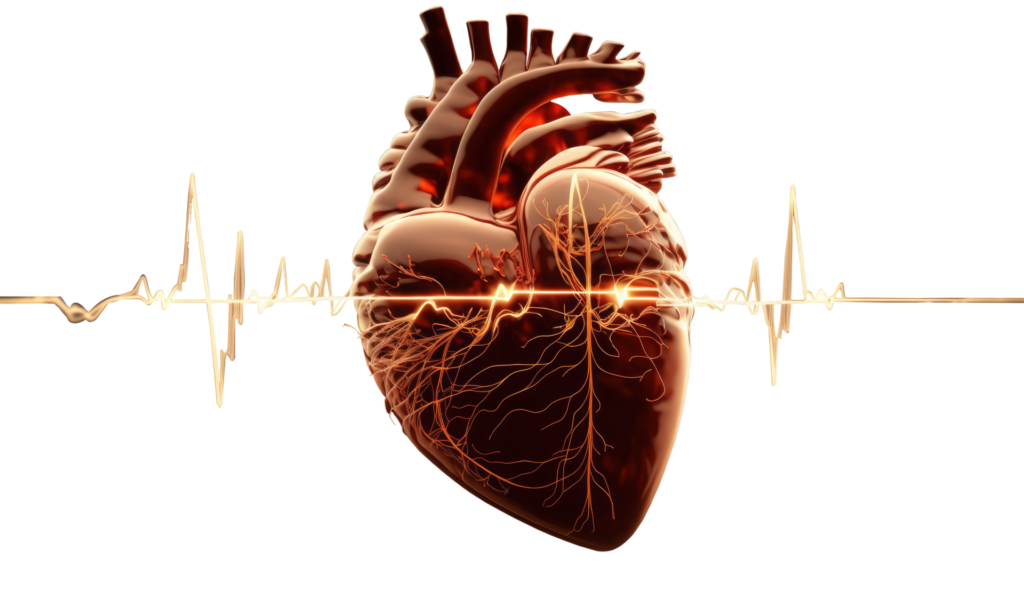
The miracle nature gifted us take care illustration
When Does the Heart Start Beating in the Fetus?
After fertilization, a single cell called a zygote is formed. From this, all organs develop.
🔹 The heart is the first functioning organ to form.
🔹 Heart development starts around 16–18 days after fertilization.
🔹 The first heartbeat begins around day 21–23 after fertilization (about 5–6 weeks of pregnancy).
🔹 At this stage, it is a simple tube, not a four-chambered heart.
This is confirmed by embryology and medical research.
So, the heart is the first organ to form and start working because circulation is essential for survival.
How Does the Heart Start Beating?
The heart does not need a battery or external electricity.
Heart muscle cells have a special ability called automaticity:
✔ Heart cells generate their own electrical signals
✔ Calcium and sodium ions move in and out of cells
✔ This creates tiny electrical currents
✔ These currents cause heart muscle to contract
So the heart is a self-powered biological pump.
Is the Heart Powered by Electricity? How Much Power?
Yes — the heart works using bio-electric energy, but very small.
Energy of the Adult Human Heart
Scientific estimates show:
🔹 Energy per heartbeat ≈ 1 to 2 joules
🔹 Heart rate (average adult) ≈ 70 beats per minute
Power Calculation (Simple)
Power = Energy ÷ Time
If: 2 joules per beat
70 beats per minute = 1.17 beats per second
Power ≈
2 × 1.17 = 2.3 watts
➡️ So the resting human heart uses about 2 to 5 watts of power
That is less than a small LED bulb — yet it keeps you alive!
How Much Blood Does the Heart Pump?
Stroke Volume (per beat)
Average adult:
🔹 Blood per beat ≈ 70–80 ml
Per Minute
70 ml × 70 beats =
= 4,900 ml ≈ 5 liters per minute
That means:
✔ Your entire blood volume circulates every minute!
Per Day
5 liters/min × 60 × 24 =
= 7,200 liters per day
👉 Your heart pumps over 7,000 liters of blood every day!
What Happens During Strenuous Activity (Like Usain Bolt)?
When running or sprinting:
✔ Heart rate increases
✔ Stroke volume increases
✔ Heart muscle contracts stronger
✔ Cardiac output increases
Elite Athlete (Usain Bolt Type)
During maximum sprint:
🔹 Heart rate ≈ 180–200 beats/min
🔹 Stroke volume ≈ 120–150 ml per beat
Let’s calculate:
150 ml × 190 beats =
= 28,500 ml per minute = 28.5 liters/min
So during extreme sprinting:
➡️ Heart pumps 5–6 times more blood than at rest!
Does the Heart Muscle Elongate?
Yes — in trained athletes:
✔ Heart muscle becomes stronger
✔ Chambers become slightly larger
✔ Muscle fibers adapt (called cardiac remodeling)
This allows:
✔ More blood per beat
✔ Better endurance
✔ More oxygen to muscles
This is healthy in athletes but harmful in disease conditions.
Power During Sprinting (Rough Estimate)
If resting heart = ~3 watts
During extreme exercise = 5–6 times work
Estimated:
3 watts × 5 = 15 watts
So during peak sprint:
➡️ Heart may briefly produce 10–20 watts of mechanical power
Still small — but incredibly efficient!
Simple Daily Heart Mathematics
Let’s calculate average adult:
Heart beats ≈ 70 per min
Per Day
70 × 60 × 24 =
= 100,800 beats per day
Blood pumped per beat ≈ 70 ml
Blood per Day
70 ml × 100,800 =
= 7,056,000 ml
= 7,056 liters per day
👉 Your heart pumps more than 7,000 liters daily!
What Creates Champions: Heart, Mind, or Gift?
Usain Bolt’s greatness is NOT just heart power.
It is a combination of:
✔ Mindset
✔ Mental focus
✔ Stamina
✔ Discipline
✔ Sustained practice
✔ Genetics (nature’s gift)
✔ Coaching & training
✔ Recovery & nutrition
The heart supports the body,
but the mind directs effort.
True distinction comes from:
Consistency + Discipline + Practice + Belief + Body’s natural gift
Health Awareness Message
Your heart beats:
✔ 100,000 times daily
✔ 35 million times yearly
✔ Over 2.5 billion times in a lifetime
Protect it by:
❤️ Walking daily
❤️ Eating less salt & sugar
❤️ Avoiding tobacco
❤️ Managing stress
❤️ Sleeping well
❤️ Regular health checkups
Conclusion
From a tiny tube beating at 3 weeks in the womb to a powerful pump supporting Olympic sprinting, the human heart is a true miracle of nature.
It reminds us that:
The smallest beginnings can support the greatest achievements.
Respect your heart — it is your lifelong silent partner
References
- Harvard Medical School – How the heart starts beating
- Wikipedia – Heart development & physiology
- Charlotte Lozier Institute – Embryonic heart development
- British Heart Foundation – Early heart development
- General physiology & exercise science textbooks