
Palm Oil Adulteration: Hidden Dangers for Digestive and Heart Health
Category: Healthcare & Nutrition
Tags: Palm Oil, Adulteration, Digestive Health, Cholesterol, Ayurveda, Homeopathy, Allopathy Remedies
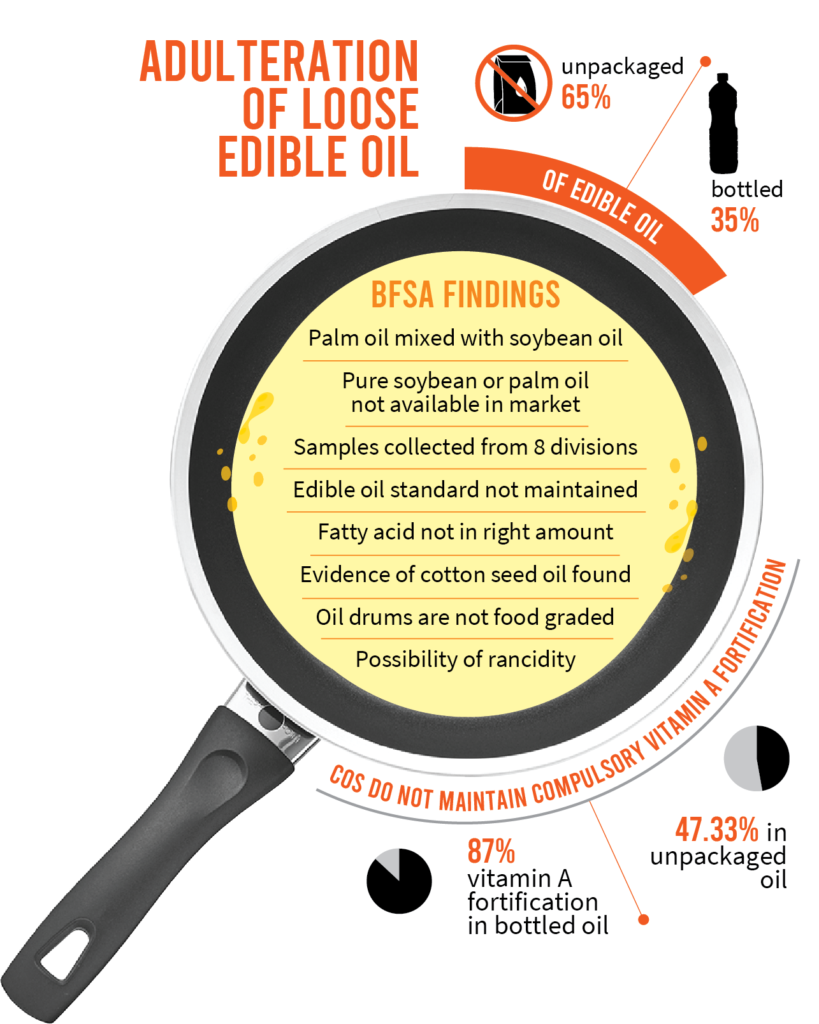
Adulteration: Mixing palm oil with cheaper refined oils reduces quality.
Introduction
Palm oil is one of the most widely used cooking oils in the world. It is cheap, versatile, and found in everything from fried snacks to packaged foods. But when palm oil is adulterated with other refined or raw vegetable oils, it can become harmful to our stomach and overall health. This blog explains how adulterated palm oil affects digestion, why body temperature plays a role in breaking it down, and the diseases linked to its consumption. We will also look at remedies from allopathy, homeopathy, and Ayurveda in simple terms.
Ingredients in Palm Oil vs. Vegetable Oils
– Palm Oil: Rich in saturated fats, triglycerides, palmitic acid, and small amounts of vitamins A & E.
– Vegetable Oils (like sunflower, soybean, mustard): Contain more unsaturated fats, omega-3 and omega-6 fatty acids, and are easier to digest.
– Adulteration: Mixing palm oil with cheaper refined oils reduces quality. The body struggles to digest this mixture because saturated fats solidify at normal body temperature.
keep learningg more internal link
Why Body Temperature Matters
Human body temperature is around 37°C. Palm oil has a higher melting point compared to many vegetable oils. When adulterated palm oil enters the stomach:
– It does not break down easily.
– Stomach acids struggle to digest solidified fats.
– This leads to indigestion, bloating, and constipation.
Health Problems Linked to Adulterated Palm Oil
1. Stomach Acidity: Excess fat irritates stomach lining, increasing acid production.
2. Triglycerides & Bad Cholesterol (LDL): Saturated fats raise triglycerides and LDL, blocking arteries.
3. Constipation & Stool Impaction: Solidified fats slow bowel movement, leading to hard stools stuck in the sigmoid colon.
4. Internal Hemorrhoids: Straining during constipation causes bleeding hemorrhoids.
5. Heart Diseases: High cholesterol and triglycerides increase risk of heart attack and stroke.
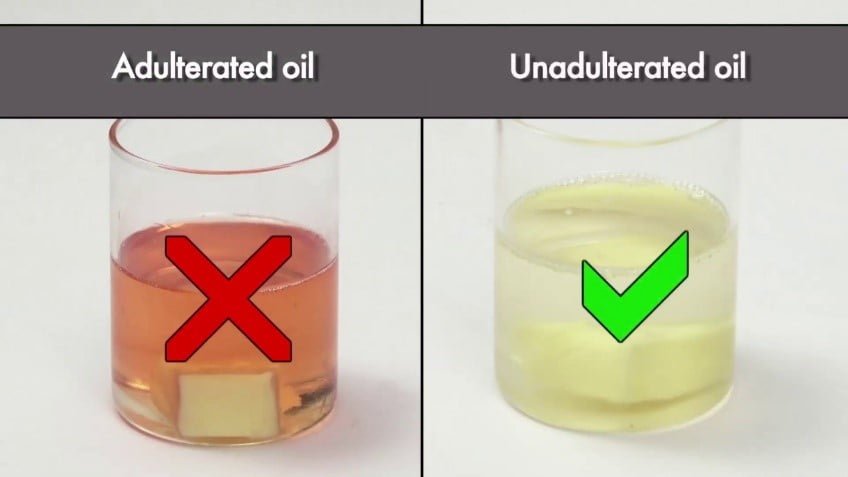
Always prefer pure, good-quality cooking oil. Your stomach and heart will thank you.
Remedies in Simple English
Allopathy (Modern Medicine)
– Antacids: For stomach acidity.
– Statins: To lower cholesterol.
– Laxatives & Fiber Supplements: For constipation and stool impaction.
– Surgery or medical procedures: For severe hemorrhoids or blocked arteries.
Homeopathy
– Nux Vomica: For indigestion and acidity.
– Sulphur: For constipation with hard stools.
– Aesculus Hippocastanum: For hemorrhoids with bleeding.
(Note: Homeopathy remedies should be taken under guidance of a qualified practitioner.)
Ayurveda
– Triphala Powder: Natural laxative for constipation.
– Arjuna Bark: Strengthens heart and lowers cholesterol.
– Buttermilk with Ajwain: Improves digestion and reduces acidity.
– Warm Water with Ghee: Softens stool and prevents impaction.
Prevention Tips
– Avoid foods fried in cheap palm oil.
– Read labels carefully before buying packaged snacks.
– Use healthier oils like mustard, groundnut, or olive oil.
– Drink plenty of water and eat fiber-rich foods (fruits, vegetables, whole grains).
– Exercise regularly to improve metabolism.
Conclusion
Palm oil adulteration is a silent health hazard. When mixed with other oils, it becomes difficult for the stomach to digest due to body temperature differences. This leads to acidity, constipation, hemorrhoids, and even heart disease. By choosing healthier oils and following remedies from allopathy, homeopathy, and Ayurveda, we can protect our digestive system and heart.
✅ Key Message: Always prefer pure, good-quality cooking oil. Your stomach and heart will thank you.

Nice
Good
Good
Good
Good
Nice
Nice
Nice
Keep going
Keep going