
Orchitis: Causes, Symptoms, and Treatments (Allopathy & Homeopathy)
Meta Description Learn about orchitis, a painful swelling of the testis. Explore causes, symptoms, and treatments in allopathy and homeopathy.
Tags: Orchitis, Testicular Pain, Swelling, Allopathy Treatment, Homeopathy Remedies, Men’s Health, Urology
Category: Health & Wellness
Introduction
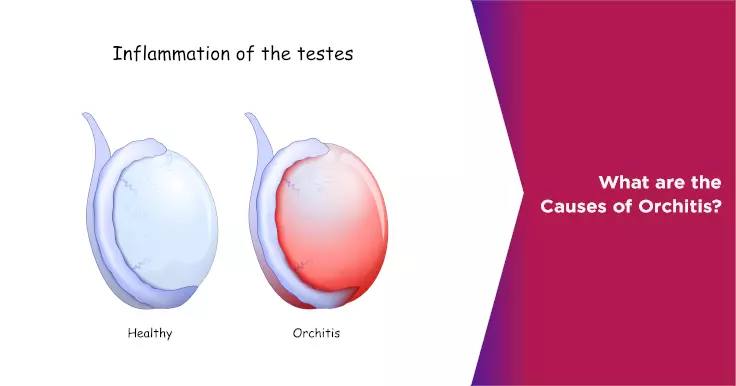
Orchitis is an inflammation of one or both testicles, often presenting with pain and swelling. When it affects the left testis, the discomfort can be severe and alarming. This condition may arise from bacterial or viral infections, trauma, or complications of urinary tract infections. Understanding its causes, symptoms, and treatment options is essential for timely management and prevention of complications.
Probable Causes of Orchitis
– Bacterial Infection:
– Commonly linked to epididymitis.
– Pathogens include E. coli, Staphylococcus, Chlamydia, and Gonorrhea.
– Viral Infection:
– The mumps virus is a leading cause, especially in adolescents.
– Orchitis typically develops a few days after parotid gland swelling.
– Other Causes:
– Trauma or injury to the scrotum.
– Urinary tract infections.
– Poor hygiene or prolonged catheter use.
Symptoms to Watch For
– Sudden pain in the affected testis (often left-sided).
– Swelling and tenderness of the scrotum.
– Redness and warmth of the skin.
– Fever, chills, and general malaise.
– Nausea or vomiting due to intense pain.
– Possible discharge if associated with sexually transmitted infections.
Diagnosis
Doctors may recommend:
– Physical examination of the scrotum.
– Ultrasound imaging to rule out torsion or tumors.
– Urine and blood tests to detect infection.
– STD screening when sexually transmitted pathogens are suspected.
Treatment Options
Allopathy (Conventional Medicine)
– Antibiotics: Ciprofloxacin, doxycycline, or other suitable drugs for bacterial infections.
– Pain Relief: NSAIDs such as ibuprofen or diclofenac.
– Supportive Care:
– Bed rest and scrotal elevation.
– Cold compresses to reduce swelling.
– Adequate hydration.
– Surgical Intervention: Rarely needed, but abscess drainage may be required in severe cases.
Homeopathy Remedies
Homeopathy offers supportive relief, especially for chronic or recurrent orchitis:
– Belladonna: Sudden, intense pain with redness and swelling.
– Apis Mellifica: Burning pain with marked swelling.
– Pulsatilla: Orchitis following mumps, with shifting pain.
– Rhododendron: Left-sided orchitis aggravated by cold weather.
– Clematis: Orchitis with urinary difficulties.
– Hamamelis: Dull aching pain with venous congestion.
– Aur Mur Nat: Recurrent orchitis with lingering discomfort.
> Note: Homeopathy should be used under the guidance of a qualified practitioner. It is not a substitute for antibiotics in bacterial infections but may help reduce pain and recurrence.
Comparison Table
| Aspect | Allopathy | Homeopathy |
|———————|————————————|————————————-|
| Primary Goal | Eliminate infection, reduce pain | Relieve symptoms, prevent recurrence |
| Treatment Type | Antibiotics, NSAIDs, supportive care | Natural remedies, individualized |
| Onset of Relief | Rapid (within days) | Gradual, long-term support |
| Best For | Acute bacterial/viral orchitis | Chronic or post-infectious orchitis |
| Risks | Antibiotic resistance, side effects | Ineffective if infection untreated |
Preventive Measures
– Practice safe sex to avoid STDs.
– Maintain good hygiene.
– Treat urinary tract infections promptly.
– Vaccination against mumps.
– Avoid prolonged sitting or tight clothing that may cause scrotal congestion.
Disclaimer
This blog is for educational purposes only. It does not replace professional medical advice. If you experience severe testicular pain or swelling, consult a qualified physician or urologist immediately. Self-medication can be harmful.
Conclusion
Orchitis, especially when affecting the left testis, can be painful and distressing. While allopathy provides rapid relief through antibiotics and pain management, homeopathy offers supportive remedies for long-term comfort and recurrence prevention. A balanced approach—seeking medical evaluation while considering complementary therapies—ensures the best outcomes for men’s reproductive health.

Nice
Good
Nice
Great
Wonderful
Wonderful
Great
Good
Nice
Wonderful