
Why the Left Side of the Abdomen Is Commonly Affected by Digestive Disorders
Understanding Descending Colon & Sigmoid Colon Affections
Category: Health Awareness | Digestive Health
Tags: Left abdominal pain, sigmoid colon, descending colon, constipation, diverticulitis, IBS, gut health, colon disorders, digestive system, abdominal diseases
Introduction
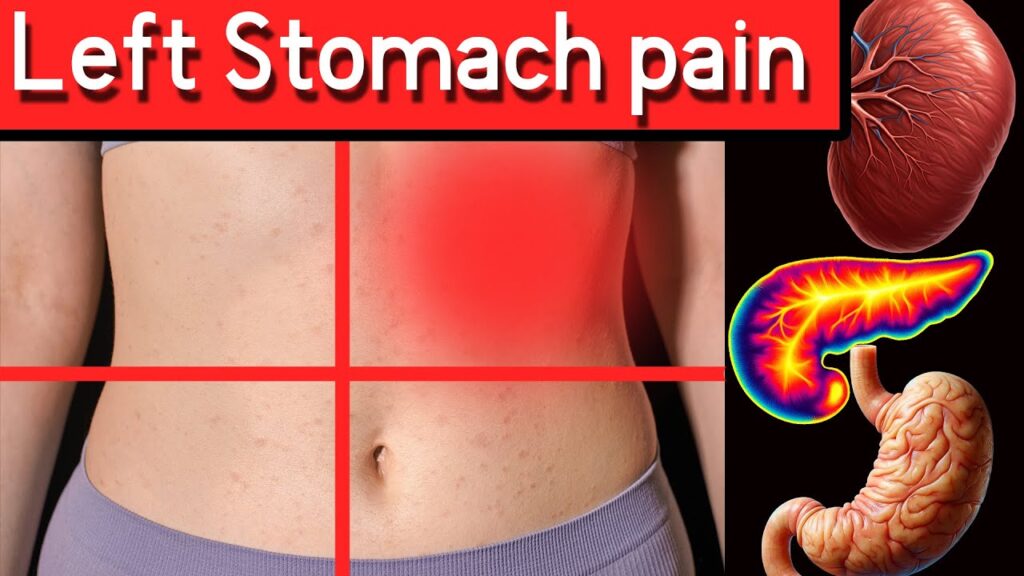
Many people frequently complain of pain, heaviness, bloating, or discomfort on the left side of the abdomen. Clinically, doctors also observe that the descending colon and sigmoid colon—both located on the left lower abdomen—are among the most commonly affected parts of the large intestine.
But why is this so?
Why does the left side of the digestive abdomen suffer more disorders compared to other regions?
To understand this, we must first look at anatomy, physiology, lifestyle, and common disease patterns.
keep learning more internal link
Anatomy: What Lies on the Left Side of the Abdomen?
The left side of the abdomen contains several important organs:
Digestive Organs
- Descending colon
- Sigmoid colon
- Part of transverse colon (splenic flexure)
- Small intestine loops
Other Organs
- Left kidney & ureter
- Spleen
- Left ovary & fallopian tube (in females)
Among these, the descending and sigmoid colon are the most prone to chronic digestive problems.
Why the Left Colon Is More Commonly Disordered
1. Stool Becomes Harder on the Left Side
As food waste moves through the colon, water is progressively absorbed. By the time stool reaches the descending and sigmoid colon:
- Stool becomes drier
- Stool becomes harder
- Stool becomes more bulky
This makes the left colon more vulnerable to:
- Constipation
- Stool retention
- Fecal impaction
- Pressure-related damage to the bowel wall
2. Sigmoid Colon Acts as a “Storage Tank”
The sigmoid colon is an S-shaped segment that stores stool before defecation. Because of this:
- Stool may remain here for hours or days
- Fermentation produces gas
- Pressure builds up
- Bacterial overgrowth may occur
This leads to:
- Pain
- Bloating
- Cramping
- Increased risk of inflammation
3. Narrow Lumen & Sharp Curves
The sigmoid colon has:
- Narrower diameter
- Sharp bends
- Greater mobility
These anatomical features make it prone to:
- Blockage
- Twisting (volvulus)
- Gas trapping
- Functional spasm
4. Lifestyle & Diet Factors
Modern diets—especially low-fiber diets—worsen left colon problems:
- Low fiber → hard stools
- Low water intake → constipation
- Sedentary lifestyle → slow bowel movement
- Irregular toilet habits → stool retention
Common Left Abdominal & Sigmoid Colon Affection
1. Constipation
One of the most common causes of left lower abdominal discomfort.
Symptoms:
- Hard stools
- Infrequent bowel movement
- Straining
- Left-sided heaviness
2. Diverticulosis & Diverticulitis
Small pouches (diverticula) form in the colon wall—most commonly in the sigmoid colon.
Diverticulitis = infection/inflammation of these pouches.
Symptoms:
- Left lower abdominal pain
- Fever
- Tenderness
- Constipation or diarrhea
3. Irritable Bowel Syndrome (IBS)
Functional disorder affecting gut-brain interaction.
Commonly affects sigmoid colon.
Symptoms:
- Cramping pain relieved by bowel movement
- Gas
- Alternating constipation & diarrhea
- Stress-related flare-ups
4. Sigmoid Volvulus (Twisting of Sigmoid Colon)
The sigmoid colon twists on itself, causing bowel obstruction.
More common in:
- Elderly
- Chronic constipation
- High-fiber bulky diets
Symptoms:
- Severe left abdominal pain
- Abdominal distension
- Absolute constipation
5. Fecal Impaction
Large, hard mass of stool stuck in sigmoid/descending colon.
Symptoms:
- Constant dull pain
- Feeling of incomplete evacuation
- Leakage of loose stool around hard mass
6. Inflammatory Bowel Disease (Ulcerative Colitis & Crohn’s)
Often starts from rectum and spreads to left colon.
Symptoms:
- Bloody diarrhea
- Urgency
- Weight loss
- Chronic left-sided pain
7. Colon Polyps & Colon Cancer
More common after age 50.
Symptoms:
- Change in bowel habits
- Blood in stool
- Unexplained anemia
- Left-sided abdominal discomfort
8. Splenic Flexure Syndrome
Gas trapped at bend near spleen causes pain.
Symptoms:
- Upper left abdominal pain
- Bloating
- Relief after passing gas
9. Epiploic Appendagitis
Inflammation of small fat tags on colon.
Mimics diverticulitis with sharp left-sided pain.
Mimics diverticulitis with sharp left-sided pain.
Non-Digestive Left Abdominal Causes (Important to Rule Out)
- Left kidney stones
- Left kidney infection
- Left ovarian cyst or torsion
- Hernia
- Musculoskeletal pain
Why Awareness Is Important
Left-sided abdominal pain is often ignored as “gas” or “constipation,” but persistent pain may signal:
- Diverticulitis
- Volvulus
- Inflammatory disease
- Cancer
Early medical evaluation saves lives.
Prevention & Gut Care Tips
- High-fiber diet (vegetables, fruits, whole grains)
- Adequate water intake
- Regular physical activity
- Regular toilet habits
- Stress management
- Screening colonoscopy after age 45–50
Conclusion
The left side of the abdomen—especially the descending and sigmoid colon—is more prone to disorders because it handles hard, stored stool, has anatomical bends, and is affected by modern lifestyle habits. Understanding these mechanisms helps in early recognition, prevention, and better digestive health.

Nice
Best
Super
Very nice 👍
Best of best
Good 👍
Bahut achcha
Kipidap
Good 😊
Nice blog
Great 👍
Good luck 👍
Good sir 🙂
Bendastik
Bahut sundar
Super