Fighting the “Foot of the Elephant”: A Critical Update on Filariasis in Chhatarpur
Category: Public Health & Infectious Diseases
Date: January 11, 2026
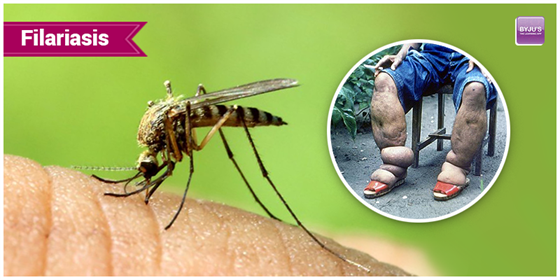
sources : Stagnant, polluted water: Open drains, sewage, and cesspools.
Location: Chhatarpur, Madhya Pradesh
Tags: #FilariaAlert #ChhatarpurHealth #Bundelkhand #PublicHealth #Elephantiasis #MPHealth
The Bundelkhand region of Madhya Pradesh is currently facing a significant health challenge. Recent reports from the Chhatarpur district have confirmed 681 new cases of Filariasis, a parasitic disease often referred to as “Elephantiasis.” This surge has put local health authorities on high alert and serves as a vital reminder for residents to take preventive measures against this “silent” yet disfiguring disease.
The Source: What is Filariasis?
Filariasis is a vector-borne disease caused by microscopic, thread-like parasitic worms. In India, and specifically in the Madhya Pradesh belt, the most common culprit is Wuchereria bancrofti, responsible for nearly 90% of all cases.
The disease does not spread through touch or water; it requires an intermediary: the mosquito.
The Vector and Breeding Season
The primary carrier in Chhatarpur is the Culex quinquefasciatus mosquito. Unlike the mosquitoes that carry Malaria or Dengue, Culex thrives in:
* Stagnant, polluted water: Open drains, sewage, and cesspools.
* Breeding Season: While transmission can happen year-round in urban areas with poor drainage, the peak breeding season coincides with the monsoon and post-monsoon months (July to November). The warm, humid climate of Bundelkhand during these months provides the perfect environment for the larvae to develop.
The Silent Invasion: How the Worms Attack
The journey of the filarial worm inside the human body is both fascinating and destructive. When an infected mosquito bites a person, it deposits larvae onto the skin, which then enter the body through the bite wound.
Targeting the Lymphatic System
* Migration: Once inside, the larvae travel to the lymphatic system—the network of vessels and nodes that manage your body’s fluid balance and fight infections.
* Maturation: The larvae settle in the lymph nodes (commonly in the groin, armpits, or neck) and mature into adult worms.
* Blockage: These adult worms can live for 6 to 8 years. As they grow and multiply, they physically block the flow of lymph fluid.
* Damage: This blockage causes the fluid to back up into the tissues, leading to the massive swelling (Lymphedema) that characterizes the disease.
Symptoms: Recognizing the Signs
Many people carry the infection for years without showing any outward signs, while the worms silently damage their internal systems.
| Stage | Common Symptoms |
|—|—|
| Acute Stage | Sudden fever, chills, skin redness, and painful swelling of lymph nodes (groin/armpit). |
| Chronic Stage | Permanent swelling of legs (Elephantiasis), arms, or breasts. |
| Male Specific | Hydrocele (swelling of the scrotum), which is a very common manifestation in the Chhatarpur region. |
| Chyluria | Passing milky-white urine due to lymph fluid leaking into the urinary tract. |
Treatment and Management
The goal of treatment is to kill the microfilariae (baby worms) to stop the spread and manage the symptoms of those already affected.
1. Modern Medicine (Allopathy)
The Indian government conducts Mass Drug Administration (MDA) rounds where two or three drugs are given together:
* DEC (Diethylcarbamazine): Kills the microfilariae and some adult worms.
* Albendazole: Helps kill the worms and treats intestinal parasites.
* Ivermectin: Used in “Triple Drug Therapy” to enhance the clearance of the parasite.
2. Alternative Medicine (Supportive Care)
While modern medicine is essential to stop the infection, alternative therapies are often used for symptom management:
* Ayurveda: Known as Shleepada in ancient texts. Practitioners often recommend Kanchanar Guggulu, Nityananda Rasa, and the use of Punarnava to reduce swelling and improve circulation.
* Homeopathy: Some patients find relief for acute inflammatory episodes (fever/pain) using remedies like Arsenicum Album, Apis Mellifica, or Hydrocotyle Asiatica, though these should be taken under the guidance of a certified professional alongside standard treatment.
Hospitals and Resources
If you or someone you know shows symptoms, seek help at these specialized centers:
In Madhya Pradesh:
* District Hospital, Chhatarpur: The primary center for local screening and MDA.
* AIIMS Bhopal: For advanced cases requiring surgical intervention (e.g., for Hydrocele or severe Lymphedema).
* MGM Medical College, Indore: Renowned for its tropical medicine research.
Top National Centers:
* JIPMER, Pondicherry: A WHO Collaborating Centre for Filariasis.
* Vector Control Research Centre (VCRC), Pondicherry: The leading institute for research on mosquito-borne diseases.
Conclusion: Prevention is the Only Cure
With 681 new cases, Chhatarpur is at a crossroads. Because the damage to the lymphatic system is often irreversible once it reaches the “Elephantiasis” stage, prevention is paramount.
What can you do?
* Take the MDA drugs: Even if you feel healthy, take the pills provided by health workers during the annual rounds.
* Clean your surroundings: Ensure there is no stagnant water in or around your house.
* Use protection: Sleep under mosquito nets and apply repellents during the evening hours.