
Pollution from Explosions: How It Affects Our Health and Planet
Category: Environment & Public Health
Tags: Pollution, Health, Pregnancy, Environment, Air Quality, Water Safety
Introduction
When we hear about explosions—whether industrial accidents, warfare, or mining blasts—we often think about the immediate destruction. But the hidden danger lies in the pollution they release into the air, water, and soil. This pollution doesn’t just vanish; it lingers, mixes with our environment, and silently affects human health, especially vulnerable groups like pregnant women and children.
keep learning for more articles please visit
What Happens During an Explosion?
Explosions release a cocktail of harmful gases and fine particles. Instead of focusing on the dangerous recipes behind explosives, let’s look at the pollutants created when they burn:
– Carbon monoxide (CO): A poisonous gas that reduces oxygen supply in the body.
– Nitrogen oxides (NOx): Irritate lungs and contribute to smog.
– Sulfur compounds: Cause acid rain and breathing problems.
– Particulate matter (PM2.5 and PM10): Tiny dust particles that lodge deep in the lungs.
– Heavy metals and chemical residues: Settle on soil and water, contaminating food chains.
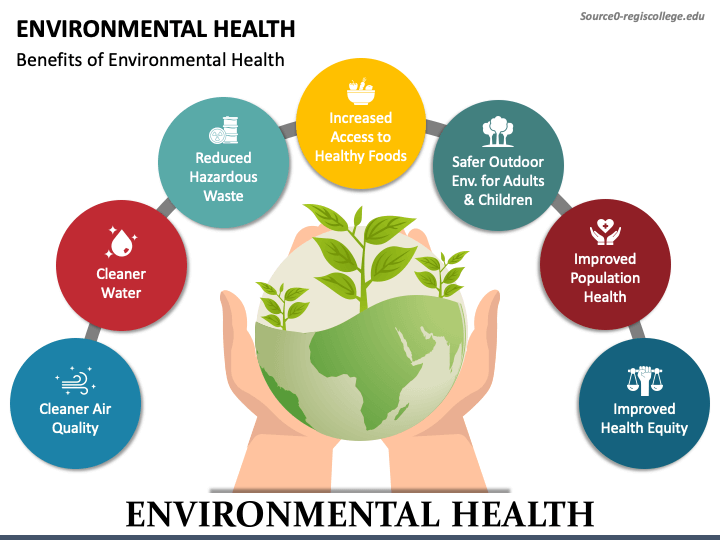
What Happens During an Explosion?Read more
These pollutants interact with oxygen and other molecules in the atmosphere, forming secondary pollutants like ozone and fine aerosols that worsen air quality.
👩🍼 Impact on Pregnant Women and the Growing Fetus
Pregnancy is a delicate phase, and polluted air poses serious risks:
– Respiratory stress: Polluted air inflames the mother’s lungs, reducing oxygen intake.
– Reduced oxygen supply to fetus: Carbon monoxide and fine particles interfere with oxygen transport in blood, affecting fetal growth.
– Developmental risks: Exposure to toxic chemicals increases chances of low birth weight, premature birth, and developmental delays.
– Long-term effects: Children exposed in the womb may face higher risks of asthma and learning difficulties later in life.
Pollution and the Human Body
Pollution doesn’t stop at the lungs—it spreads throughout the body:
– Respiratory system: Irritation, chronic cough, asthma, and reduced lung capacity.
– Circulatory system: Pollutants enter the bloodstream, damaging blood vessels and increasing risk of heart disease.
– Metabolic functions: Toxins disrupt enzymes and hormones, leading to fatigue, diabetes risk, and weakened immunity.
– Cell structure: Free radicals from pollutants damage DNA and cell membranes, accelerating aging and increasing cancer risk.
Pollution Above and Below Earth
Pollution isn’t limited to the air we breathe. It seeps into every layer of our environment:
– Air pollution: Smog, toxic gases, and fine dust particles reduce visibility and harm health.
– Water pollution: Chemicals settle into rivers, lakes, and groundwater, contaminating drinking water and harming aquatic life.
– Soil pollution: Heavy metals and residues reduce soil fertility, affecting crops and food safety.
Together, these create a toxic cycle: polluted air contaminates water and soil, which in turn re-enters our food and breathing systems.
How Society Suffers
The general population faces:
– Rising cases of asthma, bronchitis, and lung cancer.
– Increased heart disease and strokes due to polluted blood.
– Weakened immunity, making people more vulnerable to infections.
– Mental health challenges, as pollution is linked to stress and cognitive decline.
Over time, communities living in polluted environments experience shorter lifespans, higher healthcare costs, and reduced quality of life.
Path Forward: What Can Be Done?
While explosions and industrial accidents may not always be preventable, we can reduce their impact:
– Stricter environmental regulations to control emissions.
– Green technologies for energy and manufacturing.
– Awareness campaigns to educate communities about pollution risks.
– Personal protection like masks, clean water filters, and indoor air purifiers.
– Global cooperation to address pollution as a shared human challenge.
Conclusion
Pollution from explosions and chemicals is more than just smoke in the air—it’s a silent enemy that affects our lungs, blood, cells, and even unborn children. By understanding its impact, we can push for cleaner practices, healthier lifestyles, and stronger policies. Protecting our environment means protecting our future generations.

Good 👍
Nice
Very nice 👍
Good 👍
Super 👍
Best of luck
Very very nice 👍
Good 👍
Accha hai Blog
Super 👍
Well done
Sundar
Kya baat hai
Right
Very good
Nice
Nice 👍
Super
Good 👍
Nice 👍