
Ascites is not caused by lifestyle stressors like unemployment or crime; it is primarily a medical complication of liver disease (especially cirrhosis), heart failure, kidney disease, or certain cancers. The fluid buildup in the abdomen reflects serious organ dysfunction, not directly sedentary habits or adulterated food.
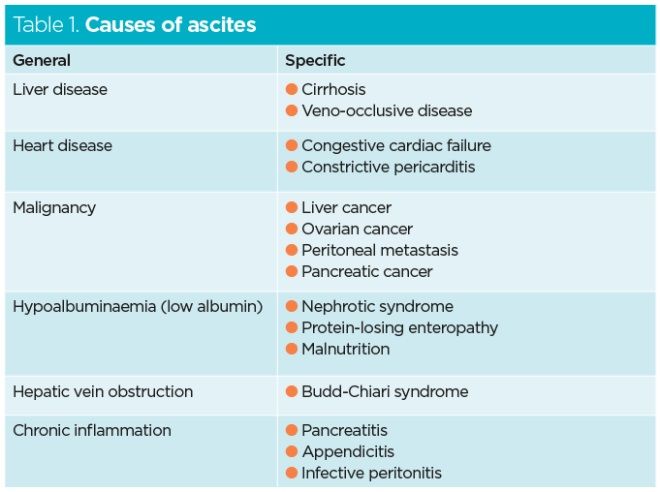
causes of chronic ascitis deases
What Ascites Really Is
– Definition: Ascites ,is the abnormal,accumulation of fluid, in the abdominal cavity,
– Most common cause: Cirrhosis of the liver (scarring due to chronic liver disease, often from hepatitis or long-term alcohol use).
– Other causes:
– Heart failure (fluid backs up into the abdomen).
– Kidney disease (nephrotic syndrome).
– Cancer (especially ovarian, pancreatic, or liver cancer).
– Tuberculosis or infections in the abdominal lining.
keep learning more internal link
🚫 Misconceptions
– Not caused directly by sedentary lifestyle, adulterated food, or pesticides. These may contribute indirectly by worsening overall health or liver damage (e.g., alcohol, poor diet), but ascites itself is a medical consequence of organ failure.
– Stress, unemployment, or crime do not physiologically cause ascites. They may worsen coping ability or delay treatment, but they are not biological causes.
⚠️ Complications of Ascites
– Metabolic disorders: Muscle wasting, malnutrition, electrolyte imbalance.
– Mobility issues: Gait disturbance due to abdominal distension.
– Respiratory problems: Fluid pressure restricts diaphragm movement, leading to breathlessness.
– Risk of infection: Spontaneous bacterial peritonitis (life-threatening).
– Kidney dysfunction: Hepatorenal syndrome in advanced cases.
🩺 Treatment & Management
Medical Approaches
– Salt restriction: Limit sodium intake to reduce fluid retention.
– Diuretics: Medications like spironolactone and furosemide help remove excess fluid.
– Paracentesis: A procedure to drain fluid from the abdomen when severe.
– Treat underlying disease:
– Antiviral therapy for hepatitis.
– Abstinence from alcohol.
– Cancer treatment if malignant ascites.
– Advanced options: Transjugular intrahepatic portosystemic shunt (TIPS) or liver transplantation in end-stage liver disease.
Lifestyle & Supportive Tips
– Balanced diet: High-protein, low-salt foods; avoid processed and fried items.
– Avoid alcohol completely.
– Regular medical monitoring: Ultrasound, liver function tests.
– Vaccinations: Hepatitis A and B prevention.
– Gentle physical activity: Walking and breathing exercises to maintain mobility.
– Community support: Counseling for stress, family involvement in care.
Preventive Measures
– Early detection of liver disease: Screening for hepatitis, fatty liver, and cirrhosis.
– Healthy lifestyle: Avoid alcohol, maintain healthy weight, control diabetes and hypertension.
– Safe food practices: Reduce exposure to toxins, pesticides indirectly by choosing clean food sources.
– Public health focus: Awareness campaigns in rural areas about hepatitis, alcohol harm, and nutrition.
Bottom line: Ascites is a medical condition linked to liver, heart, kidney, or cancer problems, not directly to social stressors. Arresting the “ascites demon” requires early diagnosis, medical treatment, strict salt/alcohol control, and addressing the underlying disease.

Nice 👍
Very good
Great 💯
Super se upar
Kya baat hai
Nice blog
Very good
Best
Nice 👍
Good 👍
Nice blog
Accha hai Blog
Very nice
Kipidap
Great 👍