Why Women Often Suffer Right Kidney Problems: Causes, Symptoms, Stone Formation & Prevention
Meta Description
Understand why women often experience right kidney pain, causes of recurring stones, symptoms, water quality impact, and prevention tips in simple English.
SEO Keywords:
Women kidney pain, right kidney problem, kidney stone symptoms, borewell water kidney stone, RO water and stones, recurrent stones causes, kidney stone prevention, minerals causing stones, kidney pain after surgery.
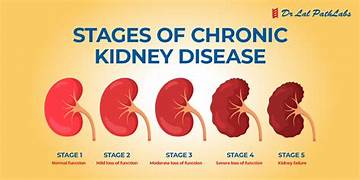
MOHFW guidelines in ckd management
Introduction
Kidney problems—especially kidney stones—affect both men and women. However, many women complain more about right kidney pain, recurring stones, and discomfort even after surgery. This article explains the real medical reasons behind these issues, the role of water quality, early symptoms, and how to prevent future stones—all in simple, easy-to-understand language.
alt text women often complain more about right kidney pain
Why Do Women Mostly Suffer Right Kidney Pain?
Women do not medically suffer only right kidney problems, but many women report right-sided pain due to the following reasons:
1. Right Kidney Is Slightly Lower in the Body
The right kidney sits lower because of the liver. This natural position can make women feel pain easily due to:
- Muscle strain
- Kidney infection
- Stone obstruction
- Ureter irritation
Alt text icmr traeatment plan in CKD and pthers learn more
Because the right kidney is lower, pain is felt earlier.
2. Urinary Tract Infections (UTIs) Are More Common in Women
Women have a shorter urethra, allowing bacteria to reach the kidneys faster.
Repeated UTIs can irritate the right ureter, causing pain.
3. Gallbladder Issues Can Mimic Right Kidney Pain
Women often have more gallbladder problems due to hormonal changes.
This pain can be mistaken for right kidney pain.
Alt text sympotoms of early kidney stones
4. Pregnancy-Related Pressure
During pregnancy, the uterus tilts slightly to the right, pressing on the right ureter, increasing chances of:
- Pain
- Hydronephrosis (swelling of the kidney)
- Kidney stone enlargement
Why Is There Continuous Pain After Kidney Stone Surgery?
Many patients, especially women, feel pain even after stone removal. The reasons include:
1. Stent-Related Pain
Often after surgery (like ureteroscopy), doctors place a DJ stent.
This causes:
- Burning
- Back pain
- Urinary pressure
- Lower abdominal pain
This pain is normal and lasts until the stent is removed.
Stone movement or surgery irritates the ureter.
Healing may take 2–6 weeks, causing persistent mild pain.
3. Small Residual Stones
Not all stones are removed sometimes. Tiny leftover fragments can move later, causing pain.
4. Infection After Surgery
If proper antibiotics are not taken, an infection can cause:
- Fever
- Burning
- Pain on one side
- Fatigue
5. Not Drinking Enough Water After Surgery
Dehydration causes crystals to form again, irritating the kidney.
Note: Continuous severe pain must always be checked by a doctor. It is not always due to a faulty surgery.
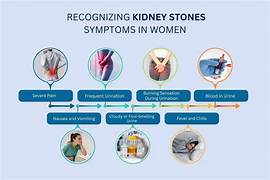
Initial Symptoms of Kidney Stone Formation
Kidney stones usually give warning signs. Early detection can prevent severe pain.
Common Initial Symptoms:
- Mild back pain (especially mornings)
- Burning urine
- Cloudy or foul-smelling urine
- Pain during urination
- Blood in urine (sometimes invisible)
- Need to urinate frequently
- Lower abdominal discomfort
- Nausea during dehydration
Symptoms When Stone Starts Moving:
- Sharp pain from back to groin
- Sweating
- Vomiting
- Restlessness
- Severe cramping waves
Does RO Water, Well Water, or Borewell Water Cause Stones?
1. RO Water
RO water is safe and does not produce stones.
However, long-term use of very low-mineral water may cause electrolyte imbalance, but NOT stones.
2. Well Water
Depending on the soil of the region, well water may have:
- Calcium
- Magnesium
- Fluoride
- Iron
High calcium and magnesium (hard water) may contribute to stone formation in some people.
3. Borewell Water
Borewell water often contains high mineral content because it comes from deep underground.
Minerals in Borewell Water That Can Cause Stones
The stones form mainly due to:
1. High Calcium (Hard Water)
Excess calcium forms Calcium Oxalate stones—the most common stone type.
2. Magnesium
Magnesium is usually safe, but mixed with high calcium increases crystal formation.
3. Fluoride
High fluoride areas (common in rural India) cause:
- Hard water
- Kidney calcification
- Stone formation
4. Sulphates
Excess sulphate increases dehydration, indirectly causing stones.
5. High TDS (Total Dissolved Solids)
TDS above 300–500 mg/L increases stone risk.
Conclusion:
Hard borewell water does contribute to stone formation in people who are already prone to stones.
Why Do Kidney Stones Recur? Is It Because of Faulty Surgery?
Important Fact:
Kidney stone recurrence is NOT due to faulty surgery in most cases.
Surgery removes stones but does NOT remove the tendency of the body to make stones again.
Major Reasons for Recurrence:
1. Not Drinking Enough Water
Most common cause.
2. Diet Rich in Oxalates
- Tomatoes
- Spinach
- Almonds
- Potatoes
- Tea
- Chocolate
3. High Salt Intake
Salt increases calcium in urine → stone risk increases.
4. Genetic Tendency
Some people’s kidneys naturally form stones.
5. Hormonal Factors in Women
Pregnancy and hormonal fluctuations affect calcium metabolism.
6. Untreated UTIs
Chronic infections form struvite stones.
7. Diabetes & Obesity
Common in recurring stone patients.
8. Excess Vitamin D or Calcium Supplements
Overconsumption leads to high urine calcium.
How to Prevent Kidney Stones (Simple Practical Tips)
1. Drink Enough Water
- Minimum 2.5 to 3 liters daily
- More during summer
- Urine should be light yellow or clear
2. Reduce Salt Intake
Too much salt = more calcium in urine.
3. Limit High-Oxalate Foods
Do not completely avoid but reduce frequency.
4. Take Lemon Water Daily
Lemon is rich in citrate, which prevents stone formation.
5. Reduce Sugary Drinks
Soft drinks increase stone risk.
6. Avoid Excess Calcium Supplements
Only take if prescribed.
7. Use Filtered or RO Water if TDS is High
Check borewell water TDS.
If high, prefer RO filtration.
8. Treat UTIs Quickly
Quick treatment prevents struvite stones.
9. Stay Physically Active
Exercise improves metabolism and kidney function.
10. Follow Regular Kidney Checkups
Once you had stones, ultrasound every 6–12 months is recommended.
Conclusion
Kidney stones and kidney-related pain affect both men and women, but due to biological and hormonal differences, women often feel right-sided pain more. Pain after surgery is usually due to healing, stent placement, or minor infection—not necessarily a faulty procedure. Proper hydration, diet control, and water-quality management can significantly reduce the chances of recurring stones.
Disclaimer
This article is for educational and awareness purposes only. It does not replace professional medical advice, diagnosis, or treatment. Anyone experiencing severe pain, fever, blood in urine, or persistent symptoms must consult a qualified doctor or urologist immediately.