
The Humble Onion: A Complete Guide to Its Origins, Health Benefits, and Uses
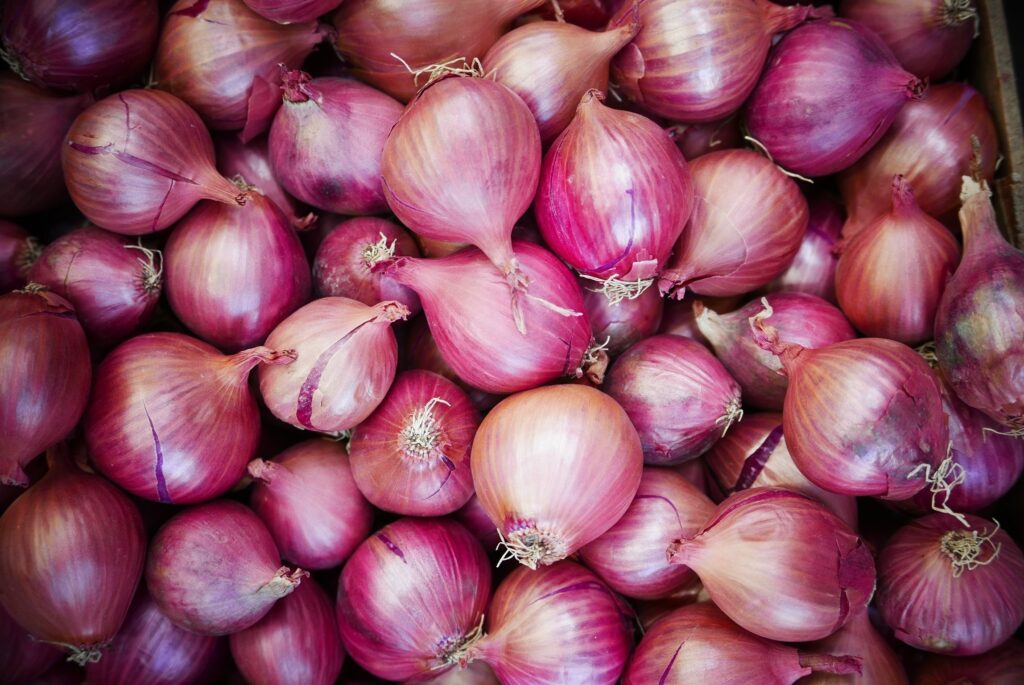
Alt text images og red onions
Explore the complete profile of the onion: its origin, global distribution, nutritional composition, and extensive healing properties for digestive, respiratory, heart, and skin health. Learn about precautions and scientific citations. Disclaimer: Informational only; consult a healthcare professional for medical advice.
Keywords
onion origin, onion health benefits, curative properties, natural remedy, Allium cepa, onion nutrition, home remedies, medicinal uses of onion, onion precautions, healing foods
The Onion: Origins, Healing Power, and Complete Medicinal Profile
The onion (Allium cepa) is far more than a kitchen staple. For thousands of years, this pungent bulb has been valued across civilizations for its culinary flavor and profound medicinal properties. This comprehensive guide explores its journey from wild plant to global crop, its powerful composition, and its traditional and scientifically-supported role in supporting health, from fighting infections to protecting the heart.
Origin and Global Distribution
Onions are one of the world’s oldest cultivated vegetables. Origin: They are believed to have originated in Central Asia, in the region spanning modern-day Iran, Pakistan, and northwestern India. Evidence suggests they have been cultivated for at least 5,000 years. Ancient Egyptians revered the onion, depicting it in tomb paintings and using it in burials as a symbol of eternity. The Romans later spread onions throughout Europe.
Distribution: Today, onions are grown on every continent except Antarctica. Major producers include China, India, the United States, and Egypt. Their adaptability to various climates has made them a fundamental ingredient in virtually every global cuisine.
Nutritional and Phytochemical Composition
The onion’s power lies in its unique composition:
· Sulfur Compounds: Allicin, alliin, and allyl propyl disulfide are responsible for its pungent smell and many health benefits, including antimicrobial and anti-inflammatory effects.
· Flavonoids, particularly Quercetin: A potent antioxidant that fights free radical damage, reduces inflammation, and may support heart health.
· Vitamins & Minerals: Good source of Vitamin C, B vitamins (folate, B6), and minerals like potassium, manganese, and chromium.
· Prebiotic Fibers (Inulin & FOS): Feed beneficial gut bacteria, supporting digestive health.
Healing Power and Curative Properties
Scientific studies and centuries of traditional medicine support the onion’s role in preventing and alleviating various ailments.
Digestive and Respiratory Diseases
The prebiotic fibers in onions promote healthy gut flora, aiding digestion. Their anti-inflammatory properties may soothe an irritated gut. For respiratory issues, onions’ expectorant and anti-inflammatory qualities help loosen phlegm and ease coughs. A traditional remedy involves onion syrup (onion juice mixed with honey) for bronchitis and colds.
Tuberculosis (Historical Use)
In 19th-century folk medicine, onions were believed to have anti-tubercular properties due to their antimicrobial strength. While modern antibiotics are the standard treatment for TB, historical texts cite their use as a supportive food to fight infection, largely attributed to their sulfur compounds and quercetin.
H3: Anemia and Heart Health
Onions contain iron and folate, which are essential for red blood cell formation. The quercetin in onions has been linked in studies to lowering blood pressure and reducing arterial plaque inflammation, potentially lowering the risk of a heart attack. Chromium in onions may also help improve blood cholesterol profiles.
Cholera (Antimicrobial Action)
Historical and some laboratory studies indicate that onion extracts show antibacterial activity against Vibrio cholerae, the bacteria causing cholera. This is attributed to its thiosulfinate compounds. In emergencies, it was used as a preventative food, but clean water and modern medical treatment are absolutely critical.
Urinary Disorders and Piles (Hemorrhoids)
Onions are considered a diuretic in some traditions. Their anti-inflammatory effects may provide some relief in urinary tract infections. For piles, the anti-inflammatory and astringent properties of onion juice have been applied topically in folk medicine to reduce swelling and bleeding.
Teeth and Skin Disorders
Teeth: Chewing raw onion, though strong, was traditionally believed to strengthen gums and kill bacteria due to its antimicrobial action, potentially reducing tooth decay. Skin: Applied topically, onion extract is known for its antibacterial and anti-inflammatory effects. It is a common folk remedy for acne, boils, and minor wounds. Studies have also shown onion gel can improve scar appearance.
Ear Diseases
A common traditional remedy for earache involved placing a few warmed drops of onion juice in the affected ear. Its antimicrobial properties were thought to fight mild infection. Important: This should never be done if the eardrum is perforated, and modern medical advice should always be sought first.
mportant Precautions and Side Effects
While incredibly beneficial, onions require some caution:
· Digestive Discomfort: Can cause gas, bloating, and heartburn in some individuals, especially when raw.
· Blood Thinning: Due to their mild antiplatelet effect, individuals on blood-thinning medication (like warfarin) should consume large amounts cautiously.
· Allergies: Though rare, onion allergies or contact dermatitis can occur.
· Pet Toxicity: Onions are toxic to dogs, cats, and some other pets, causing hemolytic anemia.
· Ear Remedy Caution: Do not put onion juice or pieces into the ear canal without consulting a doctor, as it can risk infection or damage.
Disclaimer and Note
Disclaimer: The information in this article is for educational and informational purposes only and is not intended as medical advice. It is not a substitute for professional medical advice, diagnosis, or treatment. Always seek the advice of your physician or other qualified health provider with any questions you may have regarding a medical condition. Never disregard professional medical advice or delay seeking it because of something you have read here.
Note: Many of the curative properties listed, particularly for serious diseases like tuberculosis, cholera, and heart attack, are based on historical use, traditional medicine, and preliminary or laboratory studies. Onions are a supportive food and home remedy, not a cure. For any serious medical condition, modern, evidence-based medical care is essential. The strength of medicinal compounds can vary greatly between onion types and preparations.
Citations (Examples of Supporting Research):
1. Griffiths, G., et al. (2002). Onions—A Global Benefit to Health. Phytotherapy Research.
2. Slimestad, R., et al. (2007). Onions: A Source of Unique Dietary Flavonoids. Journal of Agricultural and Food Chemistry.
3. Tattelman, E. (2005). Health Effects of Garlic. American Family Physician (includes review of Allium family properties).

Well researched article
Educational blog