
Breast Cancer in India: Why Are Cases Rising? ICMR’s New Guidelines Explained
Focus Keyphrase: breast cancer in India
Meta Description: ICMR links late marriage, late childbirth, diet & obesity to rising breast cancer cases in India. Analysis of causes, from lifestyle to environmental factors. Read more.
Slug: breast-cancer-india-icmr-guidelines-risk-factors
Category: Health & Wellness
Tags: breast cancer awareness, ICMR guidelines, cancer in India, women’s health, cancer risk factors, lifestyle diseases, environmental cancer risks
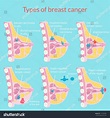
early symptoms of breast cancer
Breast Cancer in India: Understanding the Alarming Rise & New ICMR Guidelines
A recent report by the Indian Council of Medical Research (ICMR), highlighted in newspapers on December 25, 2025, has brought crucial, yet worrying, health information to the forefront. The guidelines clearly state that late marriage and childbirth after the age of 30 can increase a woman’s risk of developing breast cancer. Furthermore, the report underscores the role of non-vegetarian food, alcohol (“hard drinks”), and obesity in elevating this risk.
The statistics are sobering. In 2022, India alone saw 2,21,757 new breast cancer patients. Globally, the ICMR noted that 23 lakh (2.3 million) women were diagnosed, and 6.7 lakh (670,000) died from the disease the same year. This paints a picture of a growing health crisis. source ICMR news paer
But why is this happening? Why is breast cancer spreading so rapidly in India? Is it just lifestyle, or are deeper environmental factors at play? Let’s break down the analysis in simple terms.
The Core Factors: ICMR’s Lifestyle Warnings read more
First, let’s understand the ICMR’s primary warnings:
1. Late Marriage & Childbirth After 30: From a biological perspective, pregnancy and breastfeeding cause certain protective hormonal changes in the body. They reduce a woman’s lifetime number of menstrual cycles and exposure to hormones like estrogen, which can fuel some breast cancers. Delaying these events extends that exposure window, slightly increasing statistical risk.
2. Dietary Habits (Non-vegetarian food & Alcohol): A diet high in processed red meat and saturated fats can promote inflammation and obesity. Alcohol consumption is directly linked to increased estrogen levels and the production of harmful byproducts that can damage DNA in cells. The modern shift towards more calorie-dense, processed foods is a key contributor.
3. Obesity: Excess fat, especially after menopause, is not inert. It acts like a hormone-producing gland, creating more estrogen. It also leads to chronic inflammation, both of which can stimulate the growth of cancer cells.
The Bigger Picture: Why is Breast Cancer Increasing in India?
While the ICMR guidelines point to individual choices, the surge in cases is a complex mix of societal change, dietary evolution, and environmental concerns.
1. The Rapid Lifestyle Transition
India is undergoing a massive socio-demographic shift. Women are pursuing higher education and careers, leading to delayed marriages and pregnancies—a key factor identified by ICMR. Urban sedentary jobs, reduced physical activity, and increased stress levels compound the risk linked to obesity.
2. The Changing “Food Culture”
Our traditional diets, often rich in fibres, grains, and legumes, are being replaced.
· Processed Foods: The explosion of packaged, high-sugar, and high-fat foods is a major driver of obesity.
· Dietary Imbalance: While ICMR mentions non-vegetarian food, the risk is particularly associated with processed meats (like sausages, bacon) and unhealthy cooking methods (deep-frying, excessive use of oils). It’s not about being vegetarian or non-vegetarian per se, but about the quality and balance of the diet.
3. The Environmental & Agricultural Question: Chemicals & Pesticides
This is a significant area of public concern. Is the excess use of chemical fertilizers and insecticides by farmers a culprit?
The scientific community is actively studying this. Certain chemicals found in some pesticides are classified as endocrine disruptors.
This means they can mimic or interfere with the body’s natural hormones (like estrogen) even at low levels of exposure. Over time, through contaminated food and water, these persistent chemicals could potentially contribute to cancer risk.
However, it is crucial to note:
While this is a valid concern and a potential contributing factor, the current and direct evidence linking it directly to the specific sharp rise in breast cancer cases in India is not as strong as the evidence for lifestyle factors like obesity, alcohol, and reproductive history.
More India-specific research is needed in this domain. It likely plays a role within a broader “cocktail” of risks, rather than being a sole cause.
4. Awareness & Detection: A Double-Edged Sword
Part of the increase in reported numbers is due to better awareness and improved diagnostic facilities.
More women are getting screened through mammograms, leading to earlier detection and higher reported incidence rates. This is a positive step, as early detection drastically improves survival rates.
The Way Forward: What Can We Do?
The ICMR guidelines are not meant to induce fear, but to empower with knowledge. Here’s a simplified action plan:
· Be Aware of Your Body: Practice regular self-examinations and consult a doctor for clinical exams, especially if you have a family history.
· Embrace a Balanced Lifestyle: Integrate regular physical activity into your week. Manage weight through a diet rich in whole foods, vegetables, and fruits, while limiting processed items and alcohol.
· Make Informed Choices: While individual action on environmental toxins is hard, you can opt for thoroughly washed produce and support sustainable farming where possible.
· Follow Screening Guidelines: Discuss the right age and frequency for mammography with your doctor, based on your personal risk factors.
Conclusion
The rise of breast cancer in India is a wake-up call fueled by our rapidly modernizing lifestyle. The new ICMR guidelines rightly point to tangible risks within our control—timing of childbirth, dietary habits, and weight management. While concerns about environmental pollutants are serious and warrant stricter agricultural regulations, the most immediate and powerful weapon we have is lifestyle modification.
The message is clear: Prevention through a conscious, healthy lifestyle, coupled with regular screening for early detection, is our best defence against this growing challenge. Let’s use this information not to panic, but to proactively protect our health and the health of the women in our lives.
#BreastCancerAwareness #ICMR #WomensHealth #CancerPrevention #HealthyIndia

Nice 👍👍👍👍👍👍
Good
Very good
Super 😊😊😊😊😊😊
Best
Bahut sundar hai ye
Good luking
Nice
Good 💯💯💯💯💯💯💯💯💯
Badiya
Great 👍