Understanding Knee Pain in the Elderly: Natural Relief and Winter Wellness
Meta Description: Discover why elderly knee pain worsens in winter, explore gentle home remedies & homeopathy like Bryonia & Rhus tox, learn gut-friendly foods, and holistic tips for joint health. Includes a medical disclaimer.
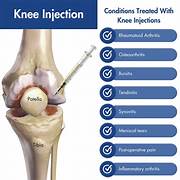
Alt Text: elderly knee pain winter, osteoarthritis
Keywords: elderly knee pain winter, osteoarthritis home remedies, Bryonia Rhus tox knee pain, senior joint health, natural pain relief gastritis, homeopathy for arthritis, winter joint pain causes, senior diet for arthritis, knee pain home care, avoiding NSAID stomach issues
Why Do Elderly Knees Cry Out in Pain—Especially in Winter?
If you or an elderly loved one suffers from knee pain, you’re not alone. For many seniors, aching, stiff knees are a daily challenge, one that often sharpens dramatically as the temperature drops. This isn’t just a feeling; there are scientific reasons behind it. The most common culprit is osteoarthritis, the “wear-and-tear” arthritis where the protective cartilage cushioning the bones wears down over time. This leads to bone-on-bone friction, inflammation, swelling, and pain.
icmr guidelines on ortharthritis
The Winter Woe: Why Does Cold Weather Worsen the Pain?
1. Barometric Pressure Changes: In winter, barometric pressure often falls. Lower air pressure can cause the tissues around joints to expand, increasing pressure on already-sensitive nerves in the arthritic joint.
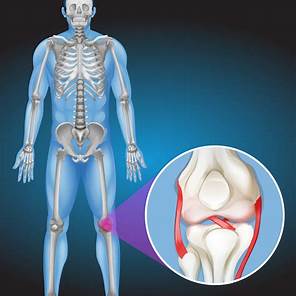
Alt Text Thickening of Synovial Fluid: The fluid that lubricates your joints
2. Thickening of Synovial Fluid: The fluid that lubricates your joints can become thicker in the cold, leading to increased stiffness and reduced mobility.
3. Increased Sensitivity: Cold can make nerve endings around the joints more sensitive to pain. Muscles also tend to tense up in the cold to conserve heat, adding to joint stiffness.
4. Reduced Activity: We naturally move less in winter. Reduced movement leads to weaker supporting muscles and stiffer joints, creating a cycle of pain.
WHO guideline in knee pain management
The Common Medical Trap: Pain Relief at a Cost
Doctors often prescribe NSAIDs (Non-Steroidal Anti-Inflammatory Drugs) like ibuprofen or diclofenac for this pain. While effective for inflammation, they have a well-known downside: they can severely irritate the stomach lining. For many elderly patients, this results in severe gastritis, burning sensations, acidity, and even ulcers—trading joint pain for digestive distress.
This is where many turn to gentler, holistic approaches like homeopathy, reporting not only joint relief but also improved digestion.
Gentle Alternatives: Bryonia and Rhus Tox
Two homeopathic remedies frequently mentioned by those seeking natural relief are:
· Bryonia Alba: Often indicated for knee pain that is worse with the slightest movement and better with absolute rest and pressure. The joint may be hot, swollen, and intensely painful. The person may be irritable and desire to stay completely still.
· Rhus Toxicodendron: Suited for pain that is worse on initial movement but better with continued, gentle motion. Stiffness is profound after rest or in cold, damp weather, and improves with warmth. This pattern is extremely common in winter osteoarthritis.
Many users anecdotally report that these remedies, prescribed by a qualified homeopath based on individual symptoms, provide significant pain relief without the harsh gastric side effects of conventional NSAIDs, often alleviating their digestive issues concurrently.
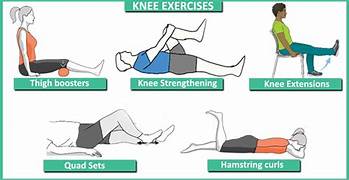
Alt text knee pain releiving exercises
Practical Home Remedies for Winter Knee Comfort
1. The Warmth Therapy: Apply a heated wheat bag, warm oil massage (with sesame or mustard oil), or a warm bath. Consistent warmth is key to fighting winter stiffness.
2. Gentle Movement is Medicine: Do slow, seated knee extensions, ankle pumps, and gentle stretching first thing in the morning. Avoid high-impact activities.
3. Turmeric & Ginger Gold: Incorporate turmeric milk (with a pinch of black pepper for absorption) and ginger tea daily. Their potent anti-inflammatory properties are backed by science.
4. Epsom Salt Soak: A warm bath with Epsom salts (magnesium sulfate) can help relax muscles and ease joint pain.
5. Support & Compression: A simple neoprene knee sleeve can provide support, retain warmth, and improve proprioception (joint awareness).
Food as Medicine: A Diet for Joint and Gut Health
Nourishing the body from within can build resilience against pain and inflammation.
Focus On:
· Anti-Inflammatory Foods: Fatty fish (sardines, mackerel), walnuts, flaxseeds (for Omega-3s). Colorful berries, cherries, and leafy greens (for antioxidants).
· Bone Broth: Rich in collagen, gelatin, and amino acids that may support joint tissue health.
· Gut-Friendly Fibre: Oats, cooked vegetables, and fruits like bananas and papayas to promote healthy digestion and counteract acidity.
· Warming Spices: Cinnamon, cumin, and fennel in cooking.
· Hydration: Drink warm water throughout the day. Herbal teas like ginger-cumin-coriander seed tea are excellent.
Limit or Avoid:
· Inflammatory Triggers: Excessive sugar, refined carbs, and processed foods.
· Nightshades (for some): Tomatoes, potatoes, eggplant, and peppers may worsen pain for a small subset of people with arthritis.
· Cold Foods & Drinks: Opt for warm, cooked meals over cold salads and icy beverages, especially in winter.
Staying Fit and Healthy: A Holistic View
Beyond the knee, overall fitness is crucial. Encourage:
· Safe Exercise: Chair yoga, tai chi, and water aerobics are excellent for strength, balance, and flexibility without joint stress.
· Weight Management: Even a small reduction in weight significantly lowers the load on weight-bearing knees.
· Sunlight & Vitamin D: Winter often means Vitamin D deficiency, vital for bone health. Seek midday sun exposure and consider testing/ supplementation after consulting a doctor.
· Social Connection & Mental Well-being: Chronic pain can lead to isolation. Encourage social activities, hobbies, and mindfulness practices to manage the emotional aspect of pain.
Important Disclaimer
The information provided in this blog is for educational and informational purposes only and is not intended as a substitute for professional medical advice, diagnosis, or treatment. Always seek the advice of your physician or other qualified health provider with any questions you may have regarding a medical condition, especially severe or persistent knee pain. Never disregard professional medical advice or delay seeking it because of something you have read here.
The mentions of homeopathic remedies (Bryonia, Rhus tox) are based on traditional use and anecdotal reporting. Homeopathy is a complementary therapy and should be pursued under the guidance of a qualified homeopathic practitioner. Individual results may vary. Any dietary or lifestyle changes should be discussed with your healthcare provider to ensure they are safe for your specific health profile and do not interfere with any ongoing medications or treatments.