Meta Description
Discover the ancient herb fenugreek, its origins, global distribution, nutritional composition, and powerful healing properties. Learn how it aids digestive disorders, anemia, diabetes, fevers, stomach issues, respiratory infections, bad breath, body odor, dandruff, mouth ulcers, sore throat, and leucorrhoea in this guide with simple tips and references.
Keywords
fenugreek benefits, fenugreek uses, fenugreek origin, fenugreek distribution, fenugreek composition, fenugreek healing properties, fenugreek for diabetes, fenugreek digestive disorders, fenugreek anemia, fenugreek fevers, fenugreek stomach disorders, fenugreek respiratory infections, fenugreek bad breath, fenugreek body odor, fenugreek dandruff, fenugreek mouth ulcers, fenugreek sore throat, fenugreek leucorrhoea, methi seeds benefits, natural remedies fenugreek
Introduction
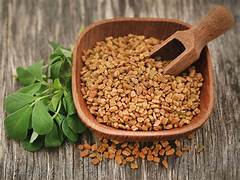
Alt text Fnugreek leaves and seeds
Fenugreek is a popular herb known for its strong smell and taste. People use its seeds and leaves in cooking and medicine. This plant has been around for thousands of years. It helps with many health problems. In this blog, we look at its origin, where it grows, what it contains, and how it heals. We also cover its uses for common issues like digestive problems and diabetes
Origin of Fenugreek
Fenugreek comes from the Near East. It was first grown there around 4000 BC. Charred seeds were found in old sites in Iraq. It was also in Egypt, in Tutankhamun’s tomb. Romans like Cato the Elder used it for cattle feed. In ancient Galilee, it was a staple food. The name means “Greek hay” from its past use as animal feed.
Distribution of Fenugreek
Today, fenugreek grows in many places. It is a semiarid crop. India is the top producer, with most from Rajasthan. Other states like Gujarat, Madhya Pradesh, and Punjab grow it too. It is also in Argentina, Egypt, France, Morocco, and Lebanon.
The plant likes cold weather and low rain. It does well in loam soil. Wild forms are in the Mediterranean area
Composition of Fenugreek
Fenugreek seeds are full of good things. They have 58 grams of carbs per 100 grams. Fiber is 25 grams, protein 23 grams, and fat 6 grams. They contain vitamins like A, B1, B2, B6, and C. Minerals include iron, calcium, magnesium, and potassium.
Seeds also have flavonoids, alkaloids, and saponins. Leaves have beta-carotene and vitamin C. The special compound sotolon gives the maple smell.
Healing Power and Curative Properties
Fenugreek has strong healing powers. It is antioxidant and fights free radicals. It lowers blood sugar and cholesterol. It has anti-cancer and anti-inflammatory effects.
In old medicine, it treats many ills. It boosts immunity and helps the body heal. Seeds are used in teas, powders, and extracts.
It is safe in food amounts but watch for side effects like gas.
Fenugreek for Digestive Disorders
Fenugreek aids digestion. It eases constipation and upset stomach. The fiber slows sugar absorption and helps with gastritis.
Soak seeds overnight and drink the water. It acts as a laxative. In studies, it reduced heartburn like antacids.
Fenugreek for Anemia
Fenugreek fights anemia. It is rich in iron, with 189% daily value per 100 grams. This helps make red blood cells. Eat leaves or seeds daily. It boosts blood health. Traditional uses include treating vitamin shortages like beriberi
Fenugreek for Deadened Senses
Fenugreek can revive deadened senses like taste and smell. It stimulates appetite when senses are dull.The strong aroma wakes up the senses. Use in tea for loss of taste from colds. It helps with mouth issues that dull senses.
Fenugreek for Fevers and Stomach Disorders
For fevers, fenugreek acts as a febrifuge. It reduces body heat and pain
Drink seed tea to lower fever. For stomach disorders, it soothes inflammation. It helps with ulcers and acid issues.
Mix with water for quick relief.
Fenugreek for Respiratory Infections
Fenugreek treats respiratory problems. It eases bronchitis and cough.
The expectorant property clears mucus. In studies, it helped mild asthma.
Gargle with fenugreek water for chest infections.
## Fenugreek for Bad Breath and Body Odor
Fenugreek fights bad breath. Chew seeds or drink tea to freshen mouth.
For body odor, it detoxifies. But high doses may cause a maple smell in sweat.
Use in moderation to avoid odd odors.
Fenugreek for Diabetes
Fenugreek lowers blood sugar in diabetes. Fiber and compounds like 4-hydroxyisoleucine boost insulin. Studies show it reduces fasting sugar and HbA1c.
Fenugreek for Dandruff
Fenugreek cures dandruff. Make a paste from soaked seeds and apply to scalp. It moisturizes and fights fungus. Rinse after 30 minutes. Regular use reduces flakes and itch.
Fenugreek for Mouth Ulcers and Sore Throat
For mouth ulcers, fenugreek heals sores. Gargle with seed water.
It reduces pain. For sore throat, the anti-inflammatory effect soothes. Drink warm tea for quick relief.
Fenugreek for Leucorrhoea
Fenugreek helps with leucorrhoea. In Ayurveda, it balances hormones and reduces discharge. Take seeds daily. It acts as a uterine tonic.
Conclusion
Fenugreek is a versatile herb with many benefits. From its ancient origins to modern uses, it helps health in simple ways. Add it to your diet for better wellness. But start small to check for side effects.
References
1. https://en.wikipedia.org/wiki/Fenugreek [web:0, web:61]
2. https://www.researchgate.net/publication/355091101_Historical_Background_Origin_Distribution_and_Economic_Importance_of_Fenugreek
3. https://www.sciencedirect.com/topics/food-science/fenugreek
4. https://www.indianspices.com/spice-catalog/fenugreek.html
5. https://pmc.ncbi.nlm.nih.gov/articles/PMC4894452/ [web:7, web:63]
6. https://www.healthline.com/nutrition/fenugreek [web:15, web:62]
7. https://www.webmd.com/vitamins/ai/ingredientmono-733/fenugreek [web:17, web:60]
8. https://www.sciencedirect.com/science/article/pii/S1658077X15301065
9. https://www.rxlist.com/supplements/fenugreek.htm
10. https://www.verywellhealth.com/benefits-of-fenugreek-88686
11. https://www.organicfacts.net/health-benefits/vegetable/fenugreek.html
12. https://pmc.ncbi.nlm.nih.gov/articles/PMC5930943/
13. https://www.1mg.com/ayurveda/fenugreek-seeds-7
14. https://www.lukecoutinho.com/blogs/nutrition-en/fenugreek-seeds-methi-benefits/
## Disclaimer Note
This blog is for information only. It is not medical advice. Fenugreek may help some conditions, but evidence varies. Side effects include diarrhea, gas, and low blood sugar. Pregnant women, diabetics on meds, or those with allergies should avoid or consult a doctor first. Always talk to a healthcare provider before using herbs for health issues.