
Cognitive Decline in Adolescents: Rebuilding Self-Assessment and Critical Thinking Skills
Category: Education | Psychology | Youth Development
Tags: cognitive decline, adolescents, critical thinking, self assessment, education reform, digital learning, student mindset
Meta Description
Cognitive decline in adolescents is increasingly linked to passive learning habits, excessive online dependence, and lack of self-study. This blog explores practical ways to rebuild self-assessment ability and critical thinking skills among today’s youth.
Focus Keyphrase
Cognitive decline in adolescents
Introduction
In recent years, educators and parents have observed a worrying trend among adolescents: declining attention span, reduced reading and writing habits, irritation toward questioning, and heavy dependence on online content and coaching centers. While technology and structured coaching have their advantages, over-reliance on them has weakened self-study habits, independent thinking, and self-assessment abilities. This phenomenon is often referred to as cognitive decline in adolescents, not due to lack of intelligence, but due to weakened mental engagement.
This blog examines the causes behind this decline and outlines effective ways to rebuild self-assessment power and critical thinking skills in the younger generation.
Understanding the Root Causes of Cognitive Decline
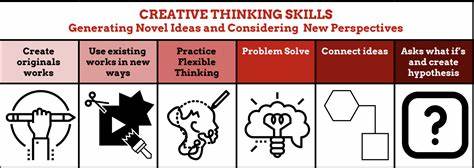
Cognitive Decline in Adolescents: Rebuilding Self-Assessment and Critical Thinking Skills
1. Shift from Active to Passive Learning
Reading and writing demand mental effort, imagination, and reasoning. Listening or watching content, especially short videos and ready-made explanations, promotes passive consumption. Adolescents become information receivers rather than thinkers.
2. Overdependence on Coaching and Online Platforms
Coaching centers often focus on exam patterns, shortcuts, and predicted questions. Online platforms provide instant answers. As a result, students stop asking why and focus only on what will be asked.
internal link for similar pages learn more
3. Fear of Questioning and Self-Doubt
When adolescents are frequently corrected, compared, or judged by marks, they develop fear of questioning. General or analytical questions make them uncomfortable because such questions have no fixed answers.
4. Reduced Reading Culture
Reading builds vocabulary, patience, comprehension, and imagination. The decline in book reading directly affects writing skills and structured thinking.
Why Self-Assessment and Critical Thinking Matter
Self-assessment helps students understand:
- What they know
- What they do not know
- How they can improve
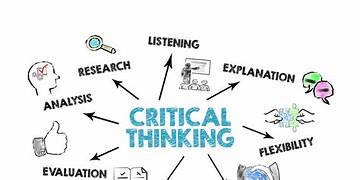
Critical thinking allows them to:
- Analyze information
- Question assumptions
- Apply knowledge to real-life situations
- Make independent decisions
Without these skills, education becomes mechanical, stressful, and short-lived.
Instead of focusing only on scores, teachers and parents should emphasize qualitative feedback:
Correct Ways to Build Self-Assessment Power
1. Encourage Reflective Learning
After completing a lesson or task, students should be guided to answer:
- What did I understand?
- What confused me?
- How can I improve next time?
This simple reflection builds internal evaluation instead of external dependence.
2. Replace Marks with Feedback
Instead of focusing only on scores, teachers and parents should emphasize qualitative feedback:
- Strengths
- Weak areas
- Effort and strategy used
Feedback encourages growth, while marks often create fear or overconfidence.
3. Promote Journaling and Writing Habits
Daily writing, even for 10 minutes, strengthens thinking clarity. Writing journals, summaries, or personal opinions helps students organize thoughts and assess their understanding.
Effective Methods to Develop Critical Thinking
1. Ask Open-Ended Questions
Instead of factual questions, encourage questions like:
- Why do you think this happened?
- What would you do differently?
- How can this concept apply in real life?
There may be multiple correct answers, which reduces fear and builds confidence.
2. Introduce Problem-Based Learning
Real-world problems stimulate thinking. Case studies, debates, and scenario-based questions force students to analyze, compare, and conclude logically.
3. Reduce Spoon-Feeding
Allow students to struggle productively. Immediate answers should be avoided. Struggle strengthens neural connections and improves long-term memory.
4. Encourage Reading Beyond Syllabus
Books on history, biographies, science stories, and philosophy expand thinking horizons. Reading different viewpoints sharpens analytical skills.
Role of Parents and Teachers
Parents and teachers must act as facilitators, not information providers. Their role is to:
- Create curiosity
- Allow mistakes
- Encourage questioning
- Appreciate effort over perfection
A psychologically safe environment is essential for thinking to flourish.
Balanced Use of Technology
Technology should support learning, not replace thinking. Adolescents should be taught to:
- Take notes while watching videos
- Pause and question content
- Cross-verify information
- Use digital tools for exploration, not shortcuts
Conclusion
Cognitive decline in adolescents is not irreversible. It is a byproduct of modern learning environments that prioritize speed, convenience, and performance over depth and understanding. By restoring reading habits, encouraging reflective practices, promoting questioning, and reducing overdependence on coaching and instant answers, we can rebuild self-assessment and critical thinking skills.
True education is not about answering questions correctly—it is about learning how to think correctly.
Disclaimer
This blog is intended for informational and educational purposes only. It does not replace professional psychological or educational advice.

Nice 👍
Very good
Super
Good 👍👍👍👍👍👍
Excellent
Best
Bahut achcha
Perfect
Op
Motivation 💪💪💪💪💪💪💪💪
💪💪💪💪💪💪💪
Motivation 💪👏💪