
Meta Description:
Struggling with chronic mucous bleeding colitis? This guide explains its causes, genetic links, and why allopathy offers limited cures. Explore how Ayurveda and Homeopathy manage symptoms long-term and learn about serious complications like fistulas and rapid weight loss. Find hope and understanding here.
Keywords:
chronic mucous bleeding colitis, mucous and blood in stool, ulcerative colitis treatment, allopathy vs homeopathy for colitis, Ayurvedic treatment for colitis, colitis complications, fistula, hemorrhoids, intestinal perforation, inflammatory bowel disease causes, colitis weight loss.
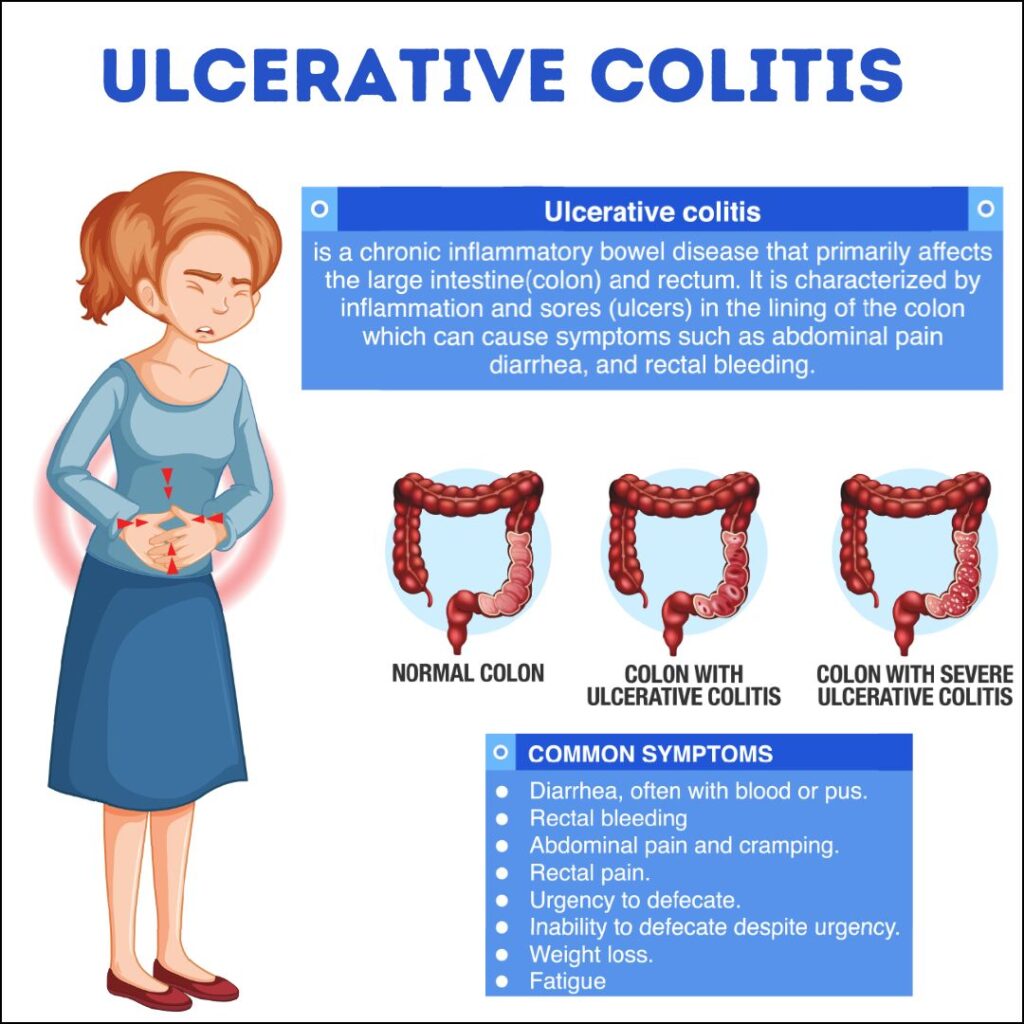
Living with Chronic Mucous Bleeding Colitis: A Comprehensive Guide to Causes, Treatments, and Complications
If you’re reading this, you or someone you love is likely battling a frustrating and painful condition: Chronic Mucous Bleeding Colitis. The constant worry, the abdominal cramps, and the sight of blood and mucus in the stool can be overwhelming. You are not alone.
This blog aims to be a clear, compassionate guide. We will break down what this condition is, explore its potential causes (including the genetic link), and honestly discuss the treatment landscape—from conventional medicine to time-tested alternative therapies. We will also shed light on the serious complications that can arise if the disease progresses.
What Exactly is Chronic Mucous Bleeding Colitis?
In simple terms, it is a chronic (long-lasting) inflammatory condition primarily affecting the colon (the large intestine). The inner lining of the colon becomes inflamed and develops tiny open sores, or ulcers. These ulcers are the source of the bleeding. The inflammation also irritates the colon, causing it to produce excessive amounts of mucus, which you see in your stool.
This condition falls under the broader umbrella of Inflammatory Bowel Disease (IBD), much like its close relative, Ulcerative Colitis.
The Root Causes: Is it in Your Genes?
This is one of the biggest questions patients have. The answer is complex, and researchers believe it’s a perfect storm of several factors, not just one single cause.
1. Genetic Predisposition: Yes, there is a strong genetic component. If you have a close family member (parent, sibling) with IBD, your risk of developing a similar condition is significantly higher. However, it’s not as simple as a “colitis gene” that you directly inherit. Instead, you may inherit genes that make your immune system more likely to overreact [[1](https://www.crohnscolitisfoundation.org/what-is-ibd/genes-and-ibd)].
2. Immune System Dysfunction: For some unknown reason, the immune system mistakenly identifies harmless substances like food or gut bacteria as foreign invaders. It launches an attack, sending white blood cells into the lining of the intestines, causing chronic inflammation and the damage we see as colitis.
3. Environmental Triggers: Genes load the gun, but environment pulls the trigger. Factors like a Western diet (high in processed foods and fats), chronic stress, certain medications (like NSAIDs), and even a disruption in the gut’s natural bacteria (microbiome) can initiate the first flare-up or worsen existing symptoms.
The Treatment Conundrum: Why is a “Cure” So Elusive?
This is the hard reality for many patients: there is currently no known definitive cure for chronic colitis in conventional (allopathic) medicine.
The Allopathic (Conventional Medicine) Approach
Allopathy excels at managing the disease and controlling symptoms, especially during severe flare-ups.
· Medications: Doctors prescribe anti-inflammatory drugs (like 5-ASAs), steroids to quickly suppress inflammation, and powerful immunosuppressants to calm the overactive immune response.
· Limitations: These drugs can be very effective but often come with side effects, especially with long-term use. More importantly, they typically manage the disease rather than cure it. The goal is to achieve and maintain remission, but flare-ups can still occur.
The Homeopathic and Ayurvedic Perspective
This is where many patients turn when seeking a more holistic, root-cause approach.
· Homeopathy views colitis as a manifestation of a deeper, internal imbalance. Treatment is highly individualized. A homeopath will prescribe remedies based on your unique physical and emotional symptoms. The goal is to stimulate the body’s own self-healing mechanisms.
· Ayurveda, the ancient Indian science of life, attributes colitis to an imbalance in the digestive fire (Agni) and the accumulation of toxins (Ama). Treatment involves a combination of detoxification (Panchakarma), specific herbal formulations (like Kutaj, Boswellia, and Amalaki), and strict dietary and lifestyle changes tailored to your body type (Dosha).
The Common Challenge: Both Homeopathy and Ayurveda often require a longer time to show significant, sustained results. They aim to correct the underlying imbalance, which is a gradual process. Patience, consistency, and strict adherence to the prescribed regimen are crucial. Many patients find this approach leads to a more stable, long-term remission with fewer side effects, but it is not a quick fix.
When Colitis Progresses: Understanding Serious Complications
If inflammation is not adequately controlled, the disease can extend beyond the colon, leading to severe and debilitating complications.
· Extension to Ileum and Small Intestine: While typically a disease of the colon, severe inflammation can sometimes spread backwards to the end of the small intestine (ileum), affecting nutrient absorption.
· Rectal Issues: The constant inflammation and straining can lead to hemorrhoids (piles), rectal polyps, and the formation of fistulas (abnormal tunnels between the intestine and another organ or the skin).
· Perforation: In rare, extreme cases, severe ulceration can cause a hole, or perforation, in the intestinal wall. This is a medical emergency requiring immediate surgery.
· Rapid Weight Loss: This is a common and frightening symptom. The inflamed intestine cannot properly absorb nutrients and water from food. Combined with loss of appetite and the body’s increased energy expenditure during inflammation, patients can lose weight alarmingly fast.
A Message of Hope and Proactive Care
Living with chronic mucous bleeding colitis is a journey. While the path may be challenging, understanding your condition is the first step toward empowerment.
· Work with a Doctor: Always have a qualified gastroenterologist monitor your condition, especially to screen for complications.
· Consider Integrative Care: Many patients find the best results by combining the acute crisis management of allopathy with the long-term, holistic healing offered by Ayurveda or Homeopathy. Always inform all your practitioners about the treatments you are receiving.
· Focus on Diet and Stress Management: Keep a food diary to identify your personal triggers. Incorporate stress-reducing practices like meditation, gentle yoga, or walking. Your gut and your mind are intimately connected.
There may be no magic pill, but with the right combination of medical care, lifestyle changes, and patience, it is possible to regain control and live a full, healthy life.
References & Citations
1. Crohn’s & Colitis Foundation. (n.d.). The Genetics of IBD. Retrieved from https://www.crohnscolitisfoundation.org/what-is-ibd/genes-and-ibd
2. National Institute of Diabetes and Digestive and Kidney Diseases (NIDDK). (2017). Ulcerative Colitis. Retrieved from https://www.niddk.nih.gov/health-information/digestive-diseases/ulcerative-colitis
3. Langhorst, J., et al. (2015). Complementary and Alternative Medicine in Inflammatory Bowel Diseases: A Systematic Review. Fortschritte der Neurologie · Psychiatrie, https://doi.org/10.1055/s-0034-1399339
Disclaimer
Important: The information in this blog is for educational and informational purposes only and is not intended as a substitute for professional medical advice, diagnosis, or treatment. Always seek the advice of your physician or other qualified health provider with any questions you may have regarding a medical condition. Never disregard professional medical advice or delay in seeking it because of something you have read on this website. The claims about homeopathic and Ayurvedic treatments are based on traditional practices and holistic principles; individual results may vary.

Nice 👍
Very good
Very good