Child Behavior and Health: How Genetics, Environment, and Parenting Shape the Unexpected Journey
Meta Description (SEO Optimized)
Discover how genetics, parental mindset, environment, and biological influences shape a child’s health and behavior. Learn why children sometimes grow differently than expected despite proper care, and how parents can nurture resilience and attachment.Keywords
child behavior, genetics and environment, parenting mindset, child health problems, attachment patterns, newborn development, parenting challenges, child psychology in layman terms, why children fall sick, unexpected child behavior
Introduction
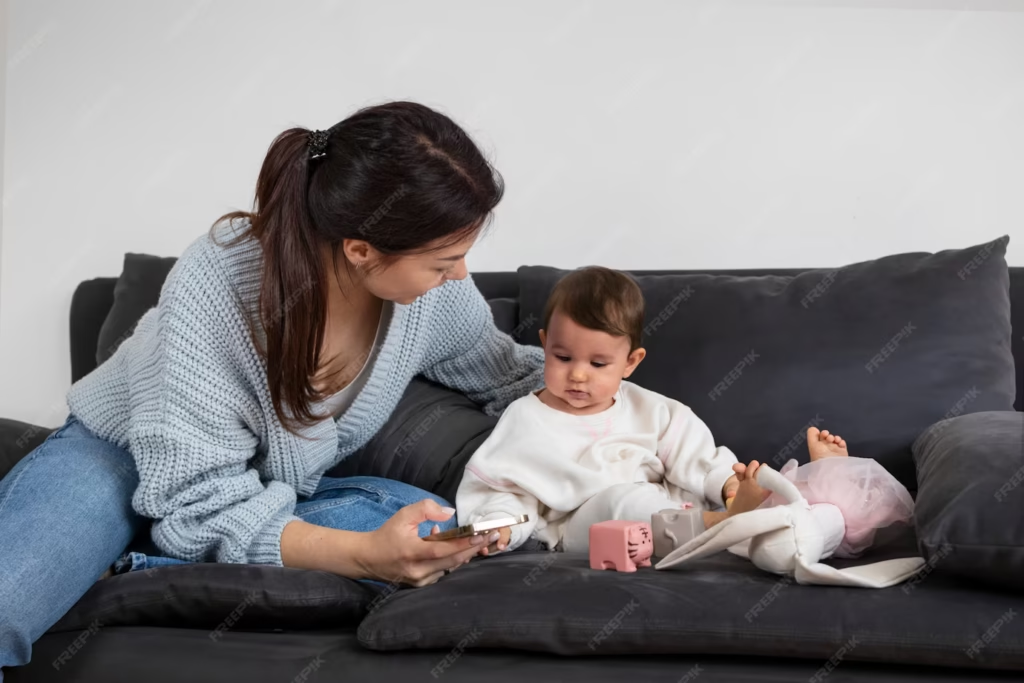
Alt Text Child begins to develop aptitute and form attitute with mother
Every parent dreams of raising a healthy, happy child. Marriage, intimacy, and childbirth often feel like a well‑planned mission for the next generation. Yet, reality can be very different. Despite love, care, and dedication, some children grow lean, sickly, stubborn, or emotionally unpredictable. Why does this happen? The answer lies in a complex mix of aptitudes, genetics, parental mindset, biological influences, environment, and post‑birth parenting setup. Let’s break this down in simple terms.
external link MOHFW guidelines on child health program
Genetics: The Blueprint of Life
– Inherited traits: Genes carry information from parents to child. They decide height, body build, immunity strength, and even temperament.
– Health predispositions: Some children inherit risks for asthma, allergies, or weak immunity. This doesn’t mean illness is guaranteed, but it raises chances.
– Behavioral tendencies: Genetics can influence whether a child is naturally calm, energetic, or sensitive.
In short, genetics is the foundation, but it’s not the whole story.
Parental Mindset Before Conception
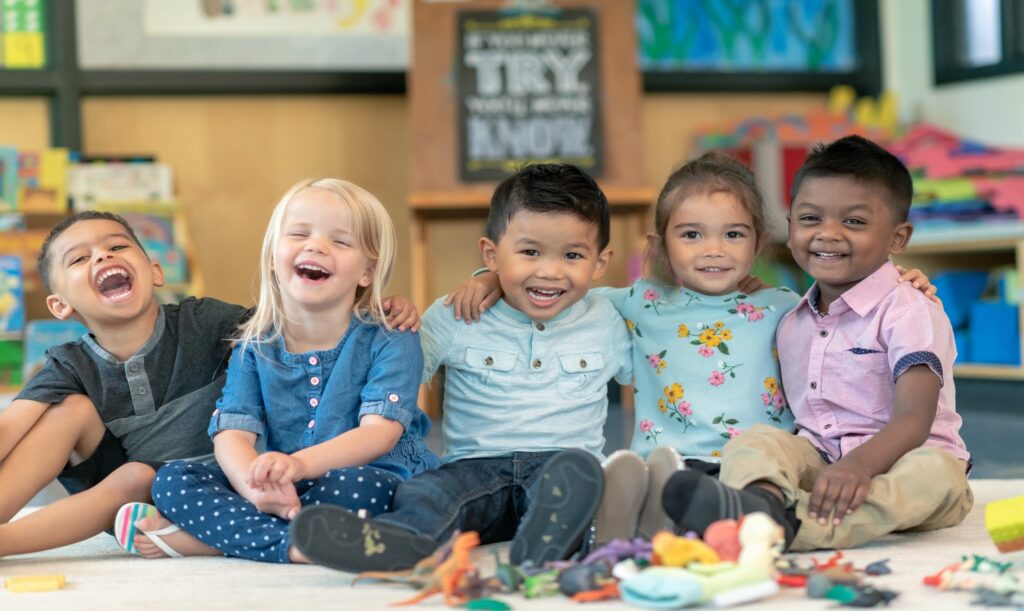
Alt Text: children growing together becomes more self confident and develop better attitute
– Emotional state matters: Stress, anxiety, or unresolved conflicts in parents before conception can affect hormonal balance.
– Positive mindset: Couples who approach parenthood with love, stability, and optimism often create a healthier emotional environment for the child.
– Epigenetics: Modern science shows that parental emotions and lifestyle choices can “switch on or off” certain genes, influencing how traits express themselves.
Biological Influences During Pregnancy
External link ICMR Guidelines in child health read more
– Nutrition: A mother’s diet directly impacts the baby’s growth. Lack of vitamins or proteins can lead to low birth weight or weak immunity.
– Stress hormones: High maternal stress can affect the baby’s brain development, making them more prone to anxiety or irritability later.
– Medical conditions: Gestational diabetes, thyroid imbalance, or infections during pregnancy can alter the child’s health trajectory.
Environment After Birth
– Home atmosphere: A peaceful, loving home nurtures security. Constant conflict or neglect can make a child anxious or withdrawn.
– Exposure to toxins: Pollution, unsafe water, or poor hygiene can weaken immunity, leading to frequent illness.
– Social surroundings: Interaction with relatives, peers, and community shapes social skills and attachment patterns.
Couples’ Mental Setup After Birth
– Parenting style: Overprotective parents may unintentionally make children fearful. Too strict parents may trigger stubbornness.
– Emotional availability: Children thrive when parents are emotionally present. A distracted or stressed parent may struggle to bond.
– Consistency: Routine, discipline, and predictable care help children feel safe and reduce behavioral issues.
Why Children Sometimes Grow Differently Than Expected
Internal link read more similar articles
Even with proper care, children may show opposite results—lean, sick, stubborn, or uninterested in food. Here’s why:
1. Genetic surprises: Hidden traits from grandparents or extended family may suddenly appear.
2. Immune system challenges: Some children naturally take longer to build strong immunity.
3. Mismatch of expectations: Parents often imagine a “perfect child.” Reality may differ, leading to frustration.
4. Stress cycles: If parents worry too much about the child’s health, the child senses it, creating more anxiety.
5. Individual uniqueness: Every child has their own rhythm. Some are late bloomers but catch up later.
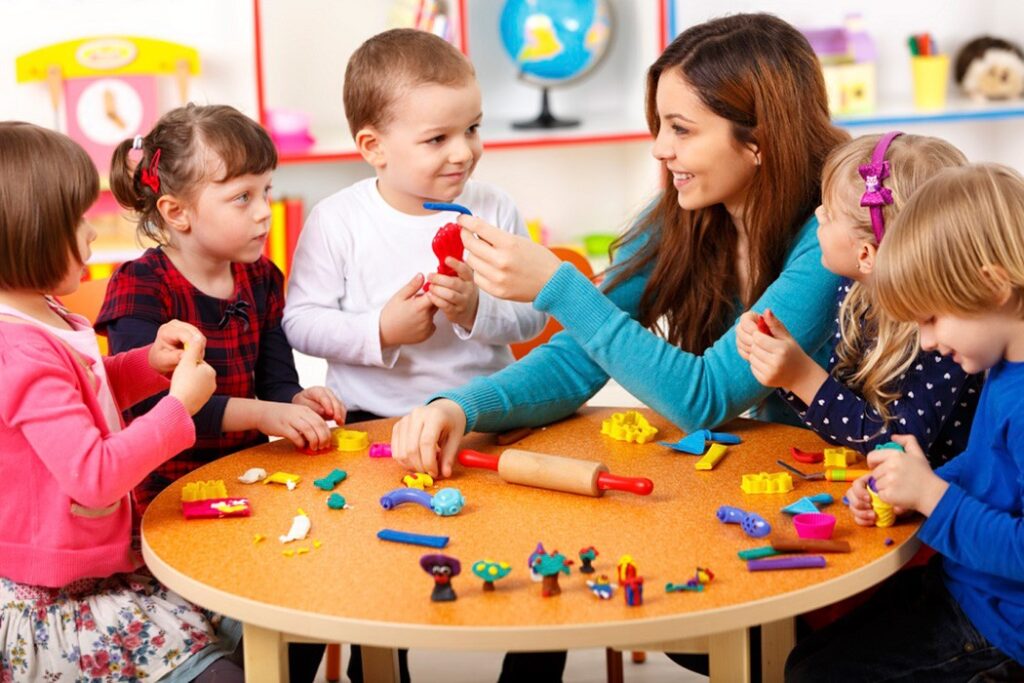
Alt text child copy behaviour and attitute from elders
Attachment and Behavior Patterns
Attachment is the emotional bond between child and caregiver. It decides how secure, confident, and resilient the child becomes.
– Secure attachment: Built through love, touch, and consistent care. Leads to confident, happy children.
– Insecure attachment: Caused by neglect, inconsistency, or emotional unavailability. Leads to clinginess, stubbornness, or withdrawal.
– Behavioral outcomes: A child’s crying, irritability, or stubbornness is often a signal of unmet emotional or physical needs.
Practical Tips for Parents
1. Balance genetics with environment: Accept what genes bring, but focus on nutrition, hygiene, and emotional care.
2. Stay calm and positive: Children absorb parental emotions like sponges.
3. Encourage play and exploration: Builds immunity, confidence, and social skills.
4. Seek medical guidance early: Frequent illness may need professional evaluation.
5. Celebrate uniqueness: Don’t compare your child with others. Each child’s journey is different.
Conclusion
Child health and behavior are shaped by a web of influences—genetics, parental mindset, biological factors, environment, and post‑birth parenting setup. Even with the best care, outcomes may differ from expectations. The key is to accept the child’s uniqueness, provide consistent love, and adapt parenting strategies.
Parenting is not about creating a “perfect child.” It’s about nurturing resilience, emotional security, and the ability to thrive in their own way.
.