Controlling India’s Fast-Growing Population: Challenges and Solutions
Meta Description:
India’s population growth poses challenges for education, health, and development. Explore laws, cultural awareness, youth responsibility, and practical solutions to manage demographic change.
SEO Tags:
India population growth, population control in India, youth awareness, marriage age, rural education, family planning, cultural change, drug addiction, illiteracy, sex education, demographic challenges
Introduction
India, home to over 1.4 billion people, is witnessing rapid population growth that impacts education, healthcare, employment, and national development. While laws and government policies play a role, true change requires a combination of individual responsibility, cultural transformation, and youth awareness. This blog explores the key factors influencing population growth and offers practical guidelines for sustainable control.
Laws of the Land

Indias population – Hungry,sick,and illitrate — lives- below poverty
Government initiatives such as family planning programs, awareness campaigns, and healthcare reforms are essential. Policies that encourage small families, accessible contraception, and incentives for delayed marriage can help reduce birth rates. However, laws alone cannot succeed without active participation from citizens.
Individual Thought Process
Population control begins with personal responsibility. Every individual must understand the impact of large families on resources, education, and opportunities. Promoting responsible parenthood and encouraging couples to plan families according to their financial and social capacity is crucial.
Culture, Character, and Youth Awareness
Youth form the backbone of India’s future. Their character, awareness, and values will determine demographic trends. Schools and colleges should integrate sex education, family planning awareness, and civic responsibility into curricula. Campaigns that highlight the importance of gender equality and responsible relationships can reshape cultural attitudes.
Increasing Marriage Age
Raising the legal marriage age for both men and women helps delay childbirth and reduces early pregnancies. This allows young people to focus on education, skill development, and career building, ultimately leading to more stable families and controlled population growth.
Controlling Sexual Urges Through Awareness
Suppressing natural urges is neither practical nor healthy. Instead, scientific sex education, counseling, and open discussions can guide youth toward responsible choices. Awareness about contraception, consent, and healthy relationships empowers young people to avoid impulsive decisions that lead to unplanned pregnancies.
Parents, Culture, and Superstition
Parents play a vital role in shaping attitudes. Breaking away from superstitions and outdated cultural practices—such as pressure for early marriage or preference for large families—is essential. Families should encourage education, career focus, and gender equality rather than traditional norms that fuel population growth.
🇮🇳 Patriotic Responsibility of Youth
Population control is not just a personal issue—it is a national responsibility. Youth must recognize that uncontrolled growth strains India’s economy, environment, and democracy. A sense of patriotism can inspire them to adopt responsible family planning practices for the nation’s progress.
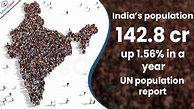
Present population -approximate figure is 151 crores plus
Drug Addiction and Ignorance
Drug abuse and ignorance often lead to reckless behavior, including unsafe sexual practices. Combating addiction through rehabilitation programs, awareness campaigns, and community support can reduce risky behavior and prevent unplanned pregnancies.
Addressing Rural Illiteracy
Nearly 70% of India’s population lives in villages, where semi-illiteracy and lack of awareness remain major challenges. Expanding digital literacy, rural education, and healthcare access can empower communities to make informed family planning decisions. Bilingual outreach in Hindi and regional languages ensures inclusivity.
Guidelines for Sustainable Population Control
– Strengthen family planning programs with free access to contraception.
– Promote sex education in schools and colleges.
– Encourage delayed marriage through legal reforms and awareness.
– Empower women with education and employment opportunities.
– Launch community campaigns against superstition and drug abuse.
– Expand digital literacy and rural outreach for semi‑illiterate populations.
– Inspire youth with patriotic responsibility toward national development.
Conclusion
India’s population challenge cannot be solved by laws alone. It requires a multi-dimensional approach—combining government policy, individual responsibility, cultural transformation, and youth awareness. By empowering communities, promoting education, and encouraging responsible family planning, India can move toward a sustainable future where growth aligns with progress.