
Meta Description:
The liver performs over 500 vital metabolic functions, making it one of the most hardworking organs. Learn why it becomes easily diseased, major liver disorders, and how Allopathy, Homeopathy, and Ayurveda approach its treatment and protection.
Focus Keywords:
liver diseases, liver inflammation, fatty liver, hepatitis, liver detox, allopathy homeopathy ayurveda treatment, ICMR WHO liver care, liver health tips
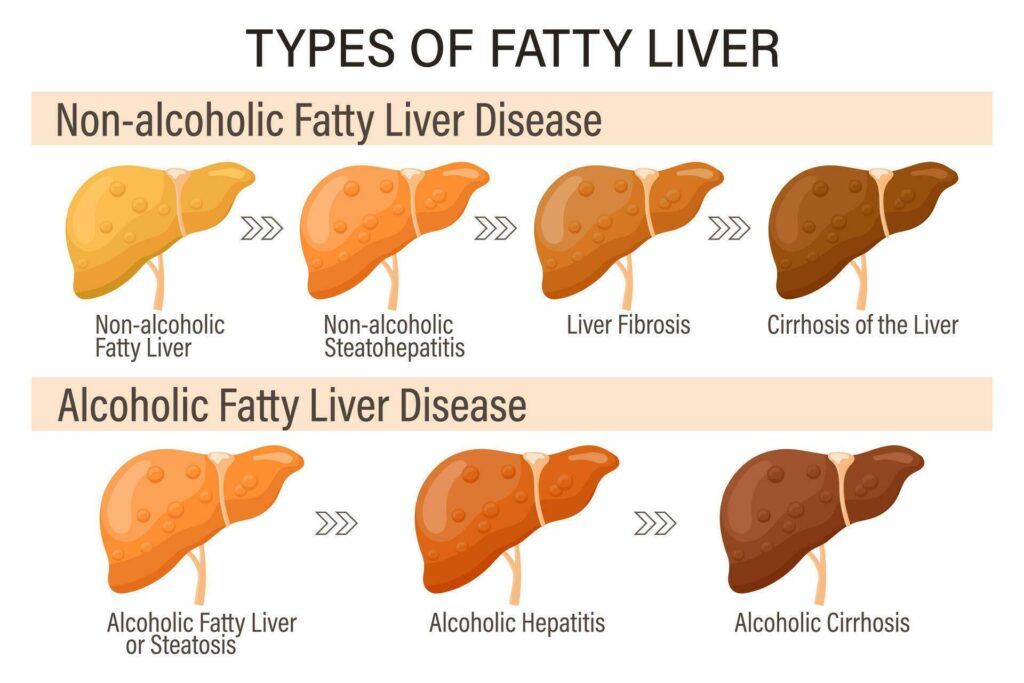
Alt text types of fatty liver
The liver is the largest gland and one of the most vital organs of the human body, weighing about 1.5 kilograms. It performs over 500 essential metabolic activities that sustain life. From detoxifying harmful substances to producing bile for digestion, the liver works continuously without rest. Because of this constant workload and exposure to toxins, infections, and lifestyle stress, it becomes one of the most frequently diseased organs in the body.
Why the Liver is So Overloaded
The liver acts as the metabolic control center. Every nutrient absorbed from food passes through it before entering the bloodstream. Its main functions include:
1. Detoxification: Neutralizing harmful substances, alcohol, and drugs.
2. Metabolism: Converting carbohydrates, fats, and proteins into energy.
3. Storage: Storing vitamins (A, D, E, K, B12) and minerals like iron.
4. Bile Secretion: Producing bile to help digest fats.
5. Immune Defense: Acting as a barrier against infections through Kupffer cells.
6. Hormonal Balance: Regulating many body hormones and enzymes.
Due to this constant exposure to toxins, chemicals, viral infections, and poor diet, the liver faces continuous strain, making it vulnerable to inflammation, fatty changes, fibrosis, and even cancer.
Why the Liver Becomes Frequently Diseased
Several factors contribute to liver overload and disease:
– Unhealthy diet – high-fat, fried, and processed foods.
– Excess alcohol intake.
– Viral infections – hepatitis A, B, C.
– Toxic drugs or herbal supplements.
– Obesity and diabetes.
– Environmental pollutants and chemicals.
– Sedentary lifestyle and stress.
Major Liver Diseases
1. Fatty Liver Disease (NAFLD & AFLD)
Non-Alcoholic Fatty Liver Disease (NAFLD): Fat accumulation without alcohol intake, linked to obesity and diabetes.
Alcoholic Fatty Liver Disease (AFLD): Caused by excessive alcohol use.
Symptoms: Tiredness, abdominal discomfort, loss of appetite.
If untreated: Can progress to cirrhosis or liver cancer.
2. Hepatitis (A, B, C, D, E)
Viral infections causing liver inflammation.
Hepatitis A & E: Spread through contaminated food and water.
Hepatitis B & C: Spread through blood, unsafe injections, or sexual contact.
Symptoms: Jaundice, dark urine, fever, vomiting, body ache, fatigue.
Complications: Chronic hepatitis can lead to fibrosis, cirrhosis, or liver cancer.
3. Liver Cirrhosis
Cirrhosis is the end stage of chronic liver damage where healthy liver tissue is replaced by scar tissue, impairing its function.
Causes: Alcohol abuse, viral hepatitis, autoimmune disease, or fatty liver.
Symptoms: Jaundice, swelling of legs, confusion, abdominal fluid accumulation (ascites).
4. Liver Cancer (Hepatocellular Carcinoma)
Usually develops from chronic hepatitis or cirrhosis.
Symptoms: Weight loss, right upper abdominal pain, loss of appetite, weakness, jaundice.
5. Drug-Induced Liver Injury (Toxic Hepatitis)
Caused by certain medications, painkillers, antibiotics, or chemicals that damage liver cells.
Treatment Approaches
A. Allopathic (Modern Medicine)
1. Fatty Liver: Lifestyle modification, weight reduction, low-fat diet, avoiding alcohol, and control of diabetes.
Drugs: Vitamin E (in non-diabetic patients), Metformin (in diabetics).
2. Hepatitis:
Hepatitis A/E: Supportive treatment (hydration, rest).
Hepatitis B/C: Antiviral therapy (Tenofovir, Entecavir, Sofosbuvir).
3. Cirrhosis: Avoid alcohol, diuretics for ascites, lactulose for encephalopathy.
4. Liver Cancer: Surgery, radiotherapy, chemotherapy, or liver transplant.
5. Preventive: Hepatitis A & B vaccination as per WHO and ICMR guidelines.
B. Homeopathic Remedies
Homeopathy aims to stimulate the liver’s natural healing and detox capacity. Remedies must be chosen by a qualified practitioner. Commonly used medicines include:
– Chelidonium majus: For liver congestion and jaundice with right shoulder pain.
– Carduus marianus: For fatty liver and cirrhosis.
– Nux vomica: For liver strain due to alcohol or overeating.
– Lycopodium: For chronic hepatitis and digestive disturbances.
– Natrum sulphuricum: For liver affections from toxic exposure.
C. Ayurvedic Remedies
Ayurveda views the liver as the seat of “Pitta dosha”, governing metabolism and digestion.
Common herbal formulations:
– Triphala: Detoxifies liver and bowel.
– Kutki (Picrorhiza kurroa): Improves bile flow, used for hepatitis.
– Bhumi Amla (Phyllanthus niruri): Protects against viral hepatitis and jaundice.
– Arogyavardhini Vati: Balances pitta, useful in fatty liver and sluggish liver.
– Liv-52 (Himalaya): Popular liver tonic with proven hepatoprotective action.
Lifestyle guidance:
– Eat light, easily digestible food.
– Avoid alcohol, spicy and oily food.
– Practice yoga postures like Dhanurasana, Bhujangasana, Naukasana for liver strengthening.
Liver Care and Preventive Guidelines
According to ICMR and WHO recommendations:
1. Hepatitis B vaccination for all children and adults at risk.
2. Avoid alcohol and smoking.
3. Screen regularly for liver enzymes (SGPT, SGOT) and ultrasound in high-risk individuals.
4. Safe blood transfusion and needle use.
5. Maintain healthy weight and exercise daily.
6. Avoid self-medication and unnecessary painkillers.
7. Balanced diet: Rich in fruits, green vegetables, and lean proteins.
How to Safeguard Your Liver
– Drink adequate water for detoxification.
– Include turmeric, garlic, and green tea for antioxidant support.
– Avoid junk, fried, and processed foods.
– Get regular medical check-ups if you have diabetes, obesity, or alcohol use.
Conclusion
The liver silently handles hundreds of vital functions every minute, yet we often take it for granted. Awareness, vaccination, balanced nutrition, and regular screening can prevent most liver disorders. Whether you choose modern medicine, homeopathy, or Ayurveda, the goal remains the same — to protect, detoxify, and strengthen the liver for a healthier life.
References
1. World Health Organization (WHO): Global Hepatitis Report, 2024
2. Indian Council of Medical Research (ICMR): Guidelines for the Management of Hepatitis and Liver Diseases, 2023
3. National Institute of Health (NIH), USA – Liver Disease Information Portal
4. Journal of Hepatology, Elsevier, 2022 – Non-Alcoholic Fatty Liver Disease Review
Disclaimer
This article is for educational and awareness purposes only. It does not replace medical advice or treatment. Always consult a qualified physician or healthcare provider before starting any medication, supplement, or therapy.

Nice
Good
Keep going
Fabulous
Very good
Super 👍
Great 👍
Nice
Bendastik
Accha hai
Precious information
Keep doing