
Meta Description:
Is democracy a failed experiment in India? Explore a deep analysis of India’s chaotic yet resilient democracy, examining caste, diversity, illiteracy, and why it continues to defy all odds. Discover the strength in the chaos.
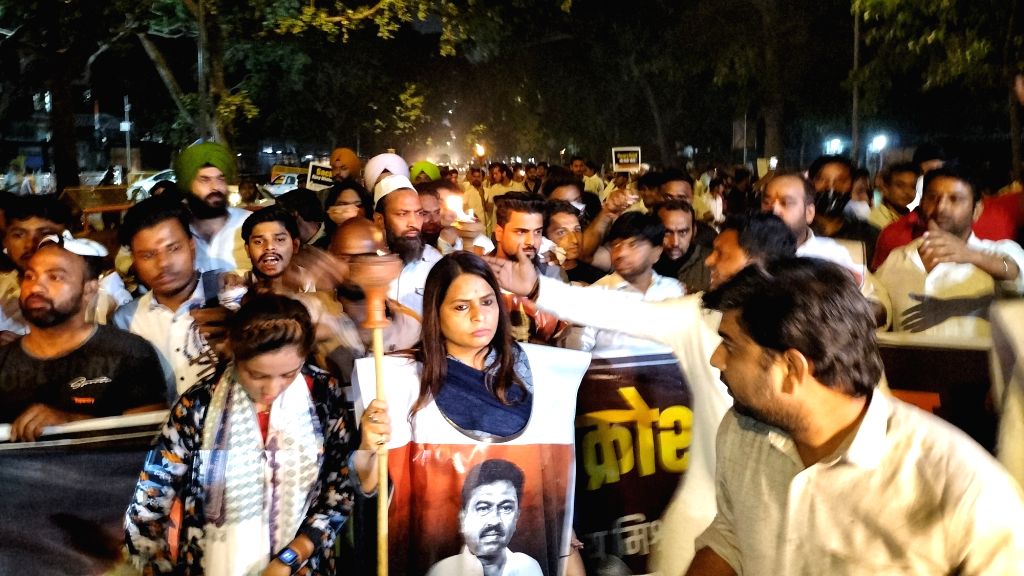
alt Text this image is enough to feel how democract unfit to india
Keywords:
Indian democracy, democracy in India, caste-based politics, Indian political parties, voter literacy, multilingual democracy, is democracy working in India, challenges of Indian democracy, future of Indian politics.
The Great Indian Experiment: Is Democracy a Misfit or a Masterstroke?
The question is provocative, almost heretical: Is democracy truly suited for India? On the surface, the evidence seems damning. With over 2,500 registered national and state parties and an estimated 50,000+ unrecognized entities, from behemoths to village-level groups of 40 people, Indian politics looks like chaos incarnate. Add to this the potent mix of caste-based voting, linguistic fragmentation, allegations of voter immaturity, and the influence of money and muscle, and it’s easy to conclude that India was never “ready” for democracy.
But to stop at this surface-level diagnosis is to miss the profound, messy, and defiant reality of the Indian democratic story. The truth is, India’s democracy isn’t a failure; it is a unique, resilient, and evolving masterpiece of self-governance.
The Case for the Prosecution: Why Democracy “Shouldn’t” Work in India
Let’s first acknowledge the valid criticisms. The challenges are real and formidable.
1. The Tyranny of Numbers and Diversity: India isn’t a country; it’s a continent masquerading as one. With 22 official languages, hundreds of dialects, and myriad ethnicities and religions, creating a unified political will seems impossible. How can a single party or ideology represent such a kaleidoscope?
2. Caste: The Persistent Fault Line: Caste was meant to be eradicated, but in politics, it has become a tool for mobilization. Critics argue this has perpetuated divisive identities instead of fostering a collective national one. Politics becomes less about policy and more about patronage.
3. The “Immature” Voter Argument: The notion that illiterate or semi-literate voters are incapable of making rational choices is a classic elitist argument. When voters are swayed by freebies, cash, or emotive appeals rather than development agendas, it seemingly devalues the democratic process.
4. Administrative Nightmare: Managing elections, policy-making, and administration for 1.4 billion people is a Herculean task. The sheer scale leads to inefficiency, corruption, and a system that often feels unresponsive to the individual.
From this perspective, a centralized, authoritarian system might seem more “efficient.” But this is where the analysis must go deeper.
The Case for the Defense: Why Democracy is India’s Only Option
The flaws in the “India is unfit for democracy” argument are more profound than its strengths.
1. Democracy is the Glue, Not the Solvent.
In a country as diverse as India,democracy is not the problem; it is the only possible solution. An authoritarian regime, likely dominated by one linguistic or ethnic group, would have led to violent fragmentation long ago. Democracy provides the necessary pressure valve. It allows for dissent, representation, and the negotiation of interests. The very “chaos” of multiple parties is a testament to the system’s ability to accommodate countless aspirations. A party of 40 people has a voice precisely because the system allows it.
2. The Voter is Smarter Than You Think.
To call the Indian voter”immature” is a grave misjudgment. The Indian voter may be unlettered, but they are far from unwise. They have a sharp, intuitive understanding of their power. They have repeatedly voted out incumbent governments, showing a clear understanding of accountability. They vote not just on caste, but on a complex calculus of identity, performance, and immediate needs. A vote based on caste is not necessarily irrational; for marginalized communities, it is a strategic move to secure representation and power they were historically denied.
3. Democracy is a Journey, Not a Destination.
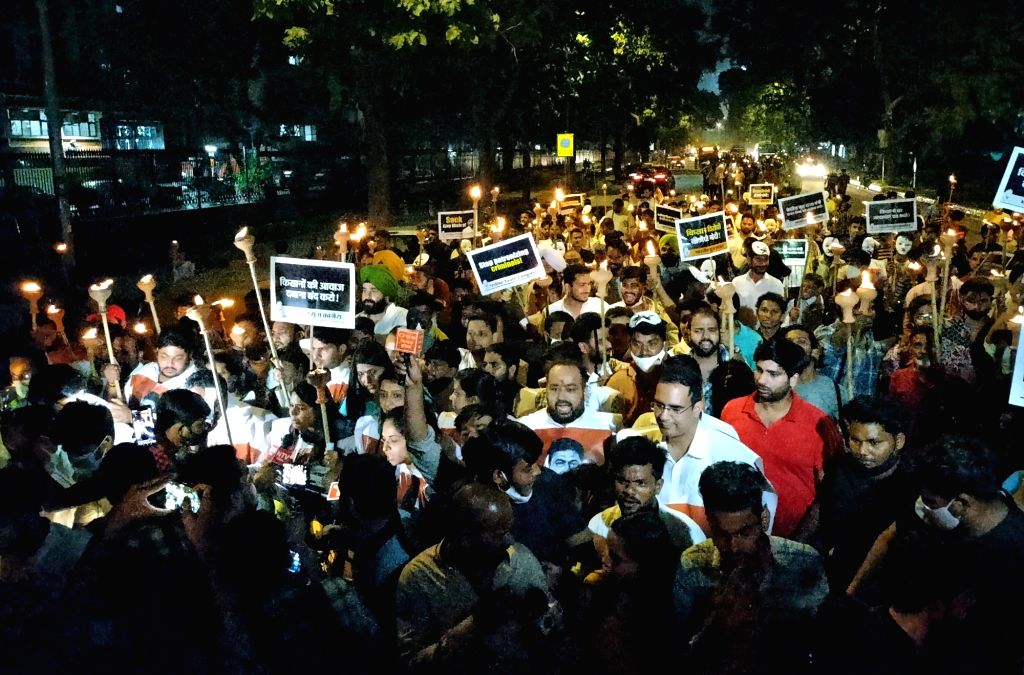
alt text immatured party politics with democratic followers
No democracy is born perfect.The United States took centuries to grant universal suffrage. India embarked on this journey with a largely illiterate population, making its commitment to universal adult franchise from day one a revolutionary act. The issues of money power, criminalization, and corruption are not failures of democracy itself, but challenges within it. They highlight the need for stronger institutions, not the abandonment of the system.
4. Strength in the Struggle.
The very process of navigating this complex democratic maze has made the Indian polity incredibly resilient.Coalition politics, for all its instability, has taught parties compromise and negotiation. The constant public scrutiny, a free press, and an independent judiciary (though often slow) act as vital checks and balances.
My Opinion: The Beautiful, Messy Tapestry
In my view, democracy is not just a political system for India; it is woven into its civilizational ethos. The ancient Indian idea of “sabha” and “samiti” (assemblies) points to a historical comfort with deliberation and debate.
To say India is not “prepared” for democracy is to get it backwards. India is making democracy. It is forging a model that is uniquely its own—one that is loud, chaotic, argumentative, and incredibly vibrant. It is a system that trusts its people, with all their flaws, to ultimately find their way.
The challenges are not signs of failure but growing pains. The fight is not to replace democracy, but to strengthen it—by empowering institutions, enhancing transparency, and fostering a culture of informed citizenship.
Conclusion: The Experiment Continues
Seventy-five years ago, skeptics gave the Indian democracy experiment a few years at best. Today, it stands as the world’s largest and one of its most enduring. It has survived wars, emergencies, and immense social change.
The story of Indian democracy is not a tidy textbook narrative. It is a sprawling, noisy, and often frustrating epic. But within that noise lies the beautiful sound of a billion voices, each insisting on being heard. It is messy, but it is alive. And for a nation as magnificently complex as India, nothing less would do.

Nice
Nice
Keep going
Awesome
Wonderful
Good job