Borewell water at 300 ft depth often contains minerals like fluoride, arsenic, nitrates, and heavy metals, which can harm organs such as the kidneys, bones, and liver if consumed untreated. Shallow wells at 50 ft depth are more prone to bacterial contamination due to exposure to dust, sunlight, and surface pollutants. The healthiest way to consume such water is through filtration methods like RO, UV, or boiling before drinking.
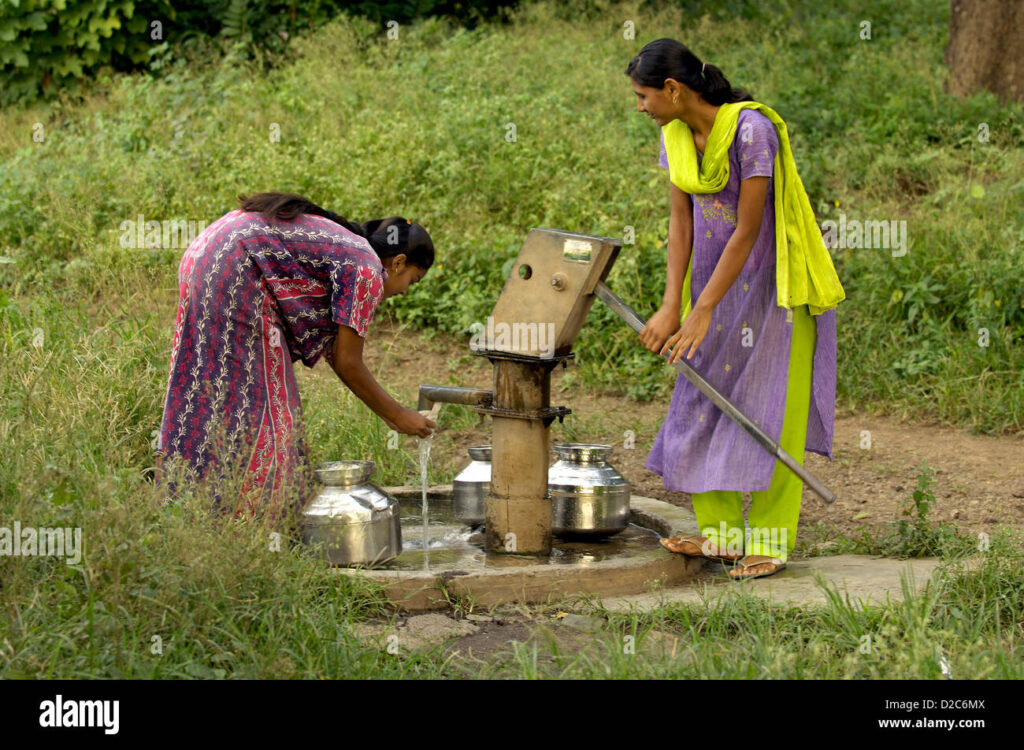
Borewell Water Safety – Understanding Minerals, Risks, and Healthy Consumption
Meta Description
Discover the mineral content of borewell water at 300 ft and 50 ft depths, their health impacts on organs like kidneys and bones, and safe ways to consume water. Learn SEO-optimized insights with citations and a disclaimer.
Keywords
Borewell water minerals, borewell water health risks, kidney effects borewell water, shallow well contamination, safe drinking water India, RO water purifier, fluoride in borewell water, arsenic in groundwater, bacterial infection shallow wells
Introduction
Access to clean drinking water is a cornerstone of public health. In India, borewell water is a common source, especially in rural and semi-urban areas. However, the depth of the borewell significantly influences the mineral composition and contamination risks. This blog explores the differences between 300 ft deep borewell water and 50 ft shallow well water, their potential health impacts, and safe consumption practices.
Mineral Content in 300 ft Borewell Water
Deep borewells tap into underground aquifers, which often contain:
– Fluoride – Excess levels can cause skeletal fluorosis, joint stiffness, and dental issues.
– Arsenic – Linked to skin lesions, liver damage, and cancer risks.
– Nitrates – Harmful for infants, causing “blue baby syndrome” (methemoglobinemia).
– Heavy metals (lead, cadmium, iron) – Can damage the kidneys, nervous system, and bones.
– Salinity and hardness – High calcium and magnesium may cause kidney stones and digestive discomfort.
Health Effects on Organs
– Kidneys: Excess fluoride and heavy metals impair kidney filtration.
– Bones & Joints: Fluoride accumulation leads to stiffness and deformities.
– Liver: Arsenic exposure damages liver cells.
– Nervous System: Lead and cadmium affect brain function.
Risks in 50 ft Shallow Well Water
Shallow wells are closer to the surface and more vulnerable to:
– Bacterial contamination – E. coli, coliforms, and pathogens due to exposure to dust, wind, and animal waste.
– Organic pollutants – Fertilizer runoff and pesticides seep easily.
– Sunlight exposure – Promotes algal growth, making water unsafe.
Health Effects
– Gastrointestinal infections – Diarrhea, cholera, typhoid.
– Kidney stress – Repeated infections can impair kidney function.
– Immune system compromise – Continuous bacterial exposure weakens immunity.
Healthy Ways to Consume Borewell and Well Water
To ensure safety:
– Reverse Osmosis (RO) Purification – Removes fluoride, arsenic, nitrates, and heavy metals.
– UV Purification – Kills bacteria and viruses.
– Boiling – Effective for shallow well water to eliminate pathogens.
– Regular Testing – Annual water quality checks for mineral and bacterial levels.
– Rainwater Harvesting + Filtration – A sustainable supplement to borewell water.
Practical Recommendations
– For 300 ft borewell water: Always use RO + UV filtration to remove harmful minerals.
– For 50 ft shallow wells: Boil water before drinking, and consider chlorination for bacterial control.
– Community awareness: Educate households about risks of untreated water.
– Government testing: Encourage local authorities to monitor groundwater quality.
SEO Optimization Strategy
– Title Tag: Borewell Water Safety – Minerals, Health Risks, and Safe Consumption
– Meta Description: Learn about borewell water minerals at 300 ft and 50 ft depths, their health impacts, and safe ways to consume water.
– Keywords: Borewell water minerals, kidney effects, shallow well contamination, RO purifier India.
– Internal Linking: Link to related blogs on water purification and groundwater safety.
– External Linking: Reference WHO guidelines and water safety organizations.
Conclusion
While borewell water is a lifeline for millions, depth determines safety. Deep borewells carry mineral risks, while shallow wells are prone to bacterial contamination. The safest approach is purification before consumption. Investing in RO and UV systems, combined with regular testing, ensures long-term health protection.
Disclaimer
This blog provides general educational information about borewell and well water safety. It is not a substitute for professional medical or water testing advice. Always consult local water authorities and healthcare professionals before making decisions about drinking water.
References
– V Aqua – Impact of Drinking Borewell Water on Health
– Pureit Water India – The Impact of Drinking Borewell Water on Health