
Bishop’s Seed (Ajwain) – A Comprehensive Natural Remedy Guide
Meta Description
Discover the powerful healing potential of bishop’s seed (ajwain) – its origin, distribution, chemical composition, and curative properties for gastrointestinal, respiratory, joint- and mouth-related disorders. Learn how it works and what research says.
Keywords: ajwain, bishops weed, Trachyspermum ammi, natural remedy, digestive health, respiratory relief, pain relief, essential oil, thymol, carvacrol, anti-inflammatory, aphrodisiac
Disclaimer: This blog is for informational purposes only and does not constitute medical advice. Always consult a qualified healthcare professional before using herbs or essential oils for therapeutic purposes.
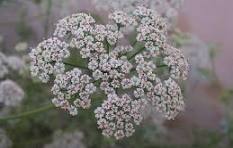
Alt Text Ajwain flower
Introduction
The spice commonly known as bishop’s seed or Ajwain (scientific name Trachyspermum ammi) has been cherished across cultures for centuries for its strong aroma and therapeutic uses. Originating in the eastern Mediterranean and now widely used in India and neighbouring regions, it offers a spectrum of healing benefits. In this blog we explore its origin, distribution, chemical composition, and its reported curative power for digestive disorders, respiratory issues, joint pain, mouth and ear problems, rheumatism and more.
Origin and Distribution
Ajwain is native to the arid and semi-arid regions of the eastern Mediterranean, particularly Egypt, and eventually spread into Iran, Afghanistan, the Indian subcontinent and parts of northern Africa. In India it is widely cultivated in states such as Rajasthan, Gujarat and Andhra Pradesh, where the plant thrives on dry, loamy soil in warm conditions. Its cultivation and culinary use have made it a familiar household remedy across South Asia.
Botanical Identity and Composition
Botanically, ajwain belongs to the family Apiaceae and is often mistaken for similar seeds like cumin or caraway – but its taste and aroma are more akin to thyme due to its high thymol content. The fruit (often referred to as “seeds” though technically schizocarps) yields 2–5 % essential oil.
Chemical Ingredients and Aromatic Compound Classes
The essential oil of ajwain is rich in monoterpenes, phenolic compounds and other volatile aromatic constituents. Key components include:
- Thymol (major phenolic monoterpene) often constituting ~50 % of the oil.
- Carvacrol, another phenolic monoterpene.
- p-Cymene, γ-terpinene, α/β-pinene, limonene (other monoterpene hydrocarbons)
These classes (phenolics, terpenes) give ajwain its antiseptic, spasm-relieving, carminative and aromatic properties.
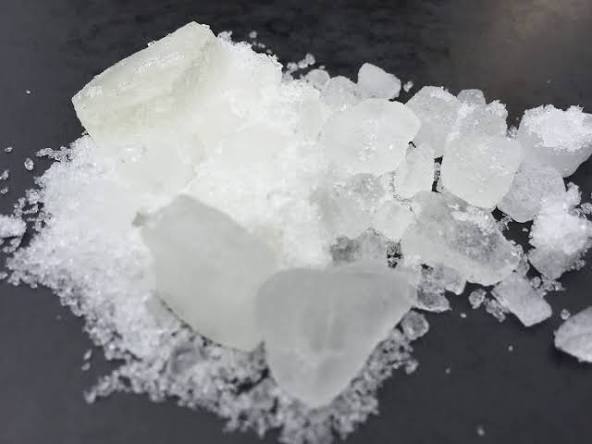
ALt Text – Crystal of ajwain turns to oil when mixed with kapoor and menthol. natural pain reliever for tropical use only used by traditional naturopath in indian Villages.
Curative Properties & Mechanisms
Ajwain’s healing potential spans several health domains. Scientific investigations (though many in vitro or animal-based) support traditional uses.
External link AYUSH for detail reading on ajwain
Digestive & Gastrointestinal Disorders
Ajwain is traditionally praised for relieving flatulence, indigestion, abdominal pain, dyspepsia, and related gastrointestinal issues. The thymol content stimulates gastric juices and helps ease gas-formation and gut spasms. Some studies found ajwain extract improved peptic ulcer lesions in animal models.
Respiratory Problems & Common Cold
For respiratory ailments like cough, bronchitis and asthma, ajwain shows antitussive and bronchodilatory effects. One study noted that the extract of ajwain seeds produced a cough-suppression effect comparable to codeine in animals. The relaxant effect on tracheal muscles and H1-histamine receptor inhibition is also noted.
Pain, Rheumatism, Joint Pain & External Use
Ajwain exhibits anti-inflammatory and analgesic activities, which suggest usefulness for rheumatism, joint pain, earache and external applications. Traditional practice uses ajwain crystals (thymol crystals) mixed with camphor (kapoor) and menthol oil externally for faster relief of joint pain. While academic studies may not specifically test that precise mixture, the underlying pharmacology (thymol’s analgesic/anti-inflammatory action) gives a plausible mechanism.
Mouth Disorders, Ear Aches & Aphrodisiac Use
Chewing ajwain seeds is traditionally recommended for bad breath and mouth disorders thanks to its antibacterial and antiseptic properties. For earache, warm ajwain-oil preparations are used—it may ease pain via anti-inflammatory and antimicrobial effects. Some Ayurvedic texts describe ajwain (fried in ghee with tamarind seed kernel) as an aphrodisiac owing to its digestive/metabolic stimulatory effects.
Usage & Practical Applications
Integrating ajwain into your routine can be simple yet powerful. For digestion: a pinch of ajwain seeds after meals or a mild ajwain tea can support gut health. For respiratory relief: inhaling the steam of slightly roasted seeds or using ajwain oil external chest application may help loosen mucus. For external pain relief: preparing a paste or oil with ajwain crystals (thymol) plus camphor and menthol oil, massaged onto the joint/area, may provide fast relief (traditional practice). For mouth/ear issues: warm ajwain oil (infused) as ear drops or chewing seeds for breath freshening may be used. However, always ensure clean, controlled preparation and proper dilution in external uses.
Precautions & Limitations
While ajwain is generally regarded as safe in culinary amounts, there are important precautions. Pregnant or breastfeeding women should avoid large medicinal doses of ajwain due to possible adverse fetal effects. High doses may cause gastrointestinal discomfort, and topical application may trigger skin sensitivity or allergic reactions. Also, most scientific evidence is preclinical (animal or test-tube), so human clinical data is limited. Thus, it should not replace prescribed medical treatments but may complement lifestyle and diet under supervision
SEO Optimization Summary
By spotlighting keywords such as “ajwain benefits,” “bishop’s seed healing,” “Trachyspermum ammi digestion respiratory,” “natural remedy joint pain ajwain crystals”, this blog aligns with search intent for users seeking natural herbal solutions. The meta description briefly outlines the topic and benefits. The headings (H1, H2) structure the content for readability and SEO. Short paragraphs (3 sentences each) aid in web-reading. Cross-links to authoritative sources (Ayurvedic tradition, phytochemical studies) boost credibility and likely dwell-time, which search engines favour.
H2 – Conclusion
In summary, bishop’s seed (ajwain) stands out as a multipurpose herbal remedy backed by both traditional use and emerging scientific data. Its rich content of thymol, carvacrol and other terpenes underpins its therapeutic potential for digestive health, respiratory wellness, pain relief, mouth/ear disorders and even aphrodisiac uses. While not a magic cure-all, when used mindfully and in proper context, ajwain offers a compelling natural option in the holistic health toolkit.
References
- Chemical composition and essential oil data of Trachyspermum ammi.
- Therapeutic potential of ajwain in gastrointestinal and respiratory ailments.
- General uses, safety and properties of carom seeds (ajwain).
Disclaimer (again): This article is not a substitute for professional medical evaluation. Always consult a qualified healthcare provider before using any herb or essential oil for treating health conditions.
Internal link -for more reading on similar blog -https://cordcraft.in/blog

Informative
Well done
Good